
One system, two directions
Automatic Dependent Surveillance-Broadcast covers both transmitting and receiving, and the two directions are usually referred to separately for good reason: they answer completely different questions, are governed by different rules, and are satisfied by different equipment. ADS-B Out transmits your aircraft's own GNSS-derived position, altitude, velocity and identity outward, so ground stations and other aircraft can see you. ADS-B In receives those same broadcasts from other aircraft and ground infrastructure, so you can see them.
ADS-B Out: a mandate question
Whether an aircraft needs to transmit ADS-B Out is governed by regulation, not personal preference, and the rule differs sharply by airspace. In India, the requirement applies at and above Flight Level 290, mandating 1090ES equipment and flight-plan designation, as covered in detail elsewhere in this series. Below that level, there is currently no equivalent 1090ES mandate, unlike the United States, where ADS-B Out is required across a much broader range of controlled airspace. ADS-B Out equipment is certified avionics, installed and interfaced to the aircraft's GNSS position source, and it is not something addressed with a portable device.
ADS-B In: a capability question
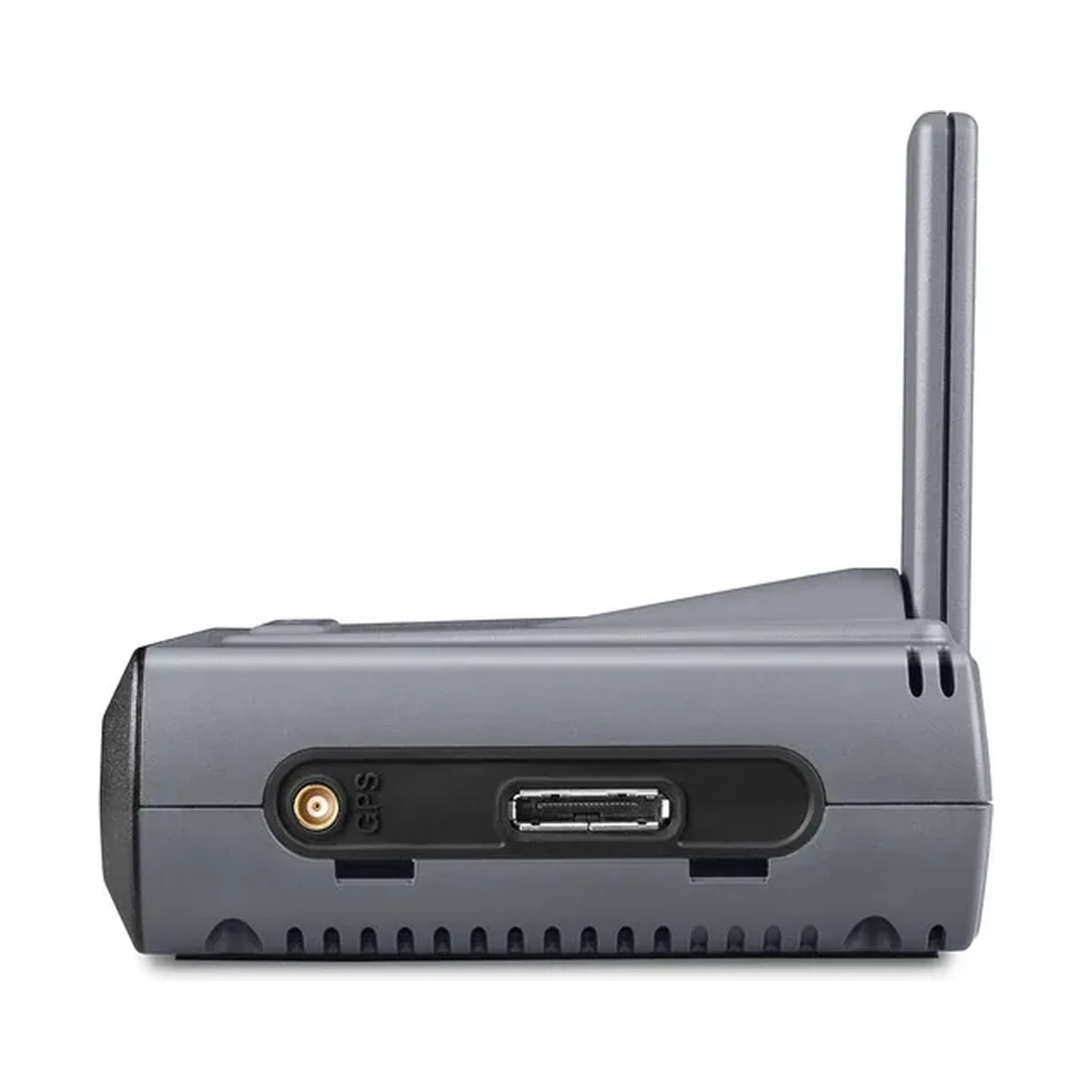
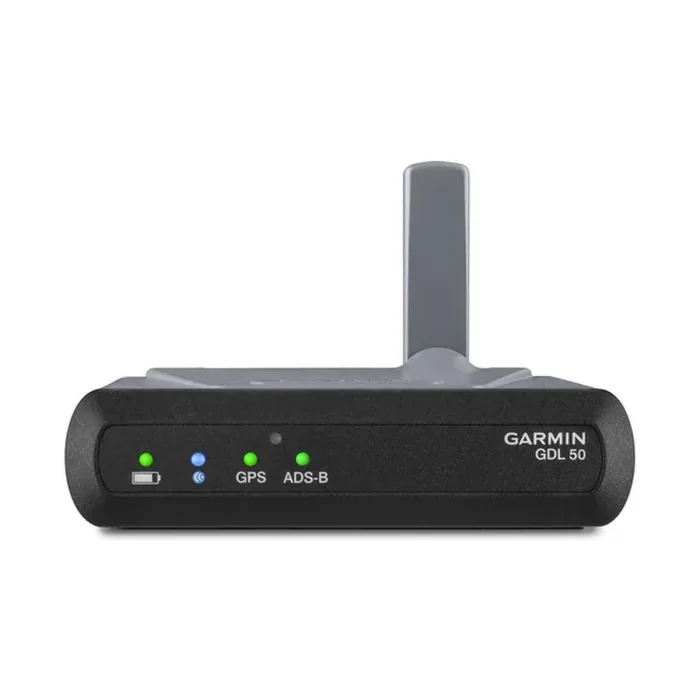
Whether to add ADS-B In is a different kind of decision entirely, because in most jurisdictions, India included, there is no mandate requiring an aircraft to receive anything. It is added because a pilot wants the situational awareness it provides, seeing nearby traffic that is itself transmitting ADS-B Out, and, where the relevant ground infrastructure exists, receiving weather and other advisory data. A portable receiver such as the Garmin GDL 50 is exactly this: an ADS-B In device with no transmit capability at all, added purely for the benefit of receiving.
Why the distinction matters when buying
A pilot who assumes a portable ADS-B In receiver satisfies an ADS-B Out mandate has misunderstood what the device does. The GDL 50 makes other traffic visible to you; it does nothing to make your own aircraft visible to anyone else, and it has no role in satisfying India's FL290 1090ES requirement, which needs a certified transmitting installation. Conversely, an aircraft that has a certified 1090ES ADS-B Out transponder installed to satisfy the mandate does not automatically gain any traffic display from that installation alone; seeing other traffic on a screen requires an ADS-B In receiver and a compatible display, which is a separate piece of equipment addressing a separate capability.
Where the two combine
Some certified transponders, and some portable setups, combine both directions, transmitting your position while also receiving others', but the fact that a single box may contain both functions does not make them the same requirement. An operator equipping an aircraft should work through the two questions separately: does this aircraft need to transmit, based on the airspace and altitudes it actually operates in, and separately, do the pilots want to receive, for the situational-awareness benefit that has nothing to do with any mandate. ASPL supplies both certified ADS-B Out avionics for aircraft under the DGCA mandate and portable ADS-B In equipment such as the GDL 50 for aircraft that simply want better traffic awareness, and can help establish which question applies to a specific aircraft before you spend on either.