
Every aviation headset has to solve the same problem: a cockpit is loud, engine and airflow noise sit largely in a low-frequency range that fatigues hearing over a long flight, and the pilot still needs to hear the radio and the intercom clearly through it. Two different approaches solve that problem, and the terms attached to them, ANR and passive, describe genuinely different mechanisms rather than a marketing tier.
How passive attenuation works
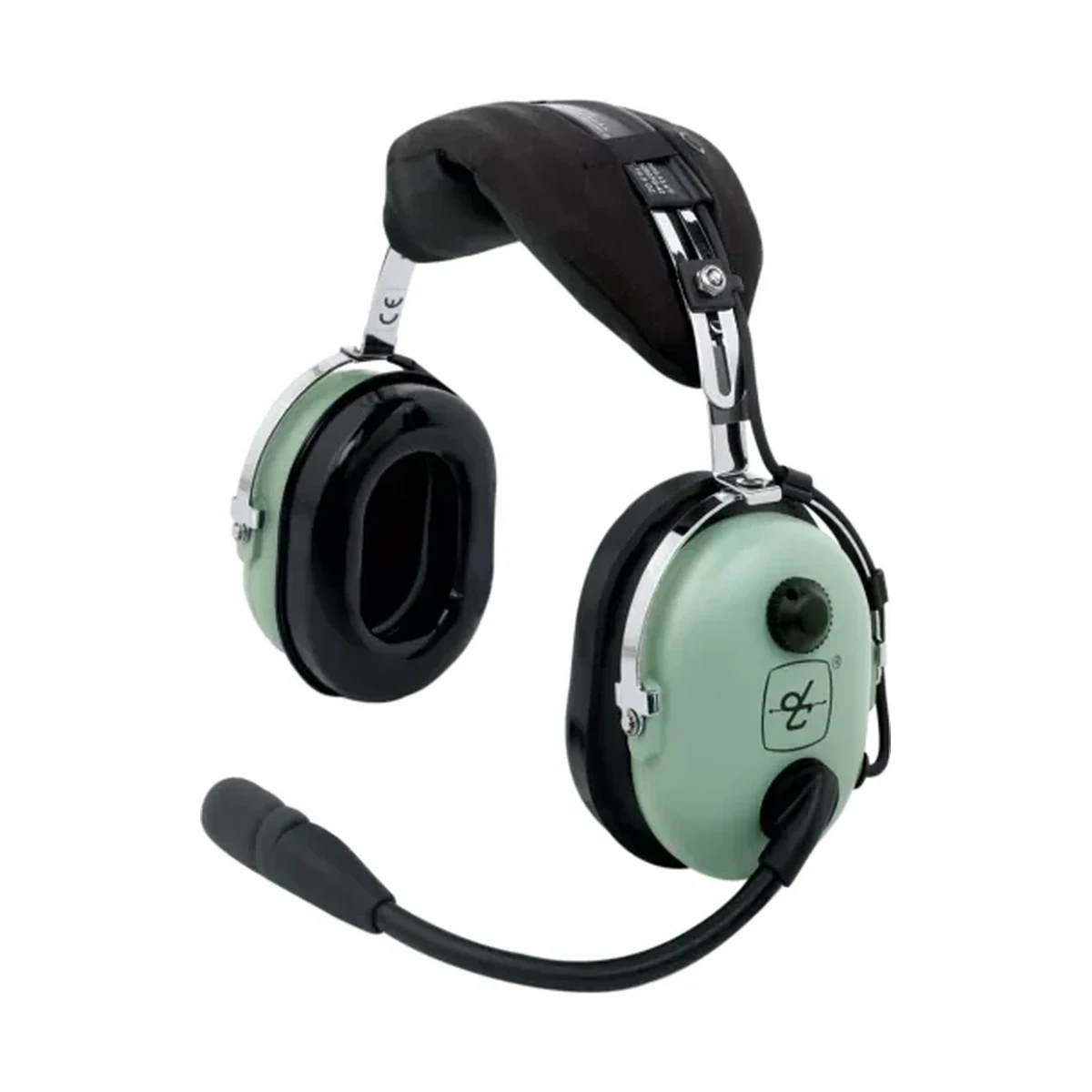
A passive headset relies entirely on physical construction: dense ear cup cushions and a tight acoustic seal against the head block sound the way earmuffs or earplugs do, by mechanically preventing it from reaching the ear. The David Clark H10-13.4 is a current example, carrying a certified Noise Reduction Rating of 23 dB, a figure measured under ANSI S3.19 and printed on the headset itself rather than a marketing estimate. Passive attenuation is effective across the frequency spectrum but is inherently better at blocking higher frequencies than low ones, because physical mass and sealing are less effective against long, low-frequency sound waves.
How ANR adds to that
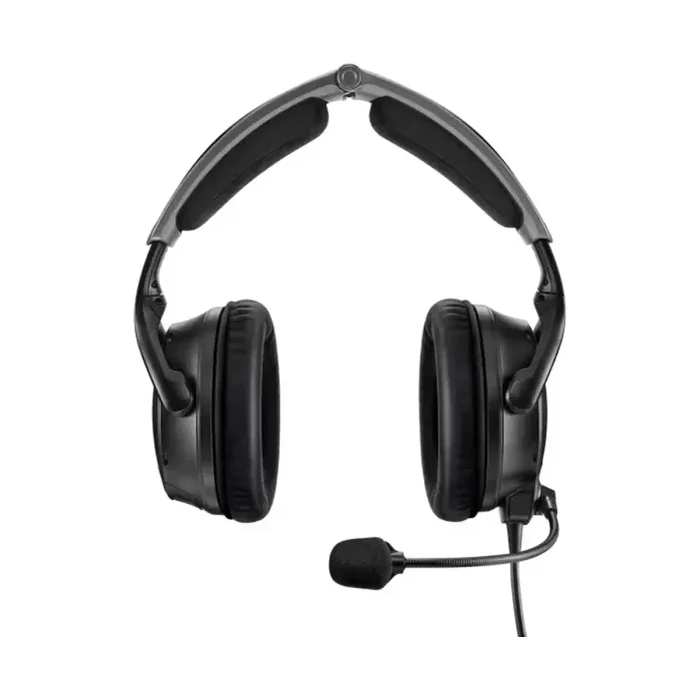
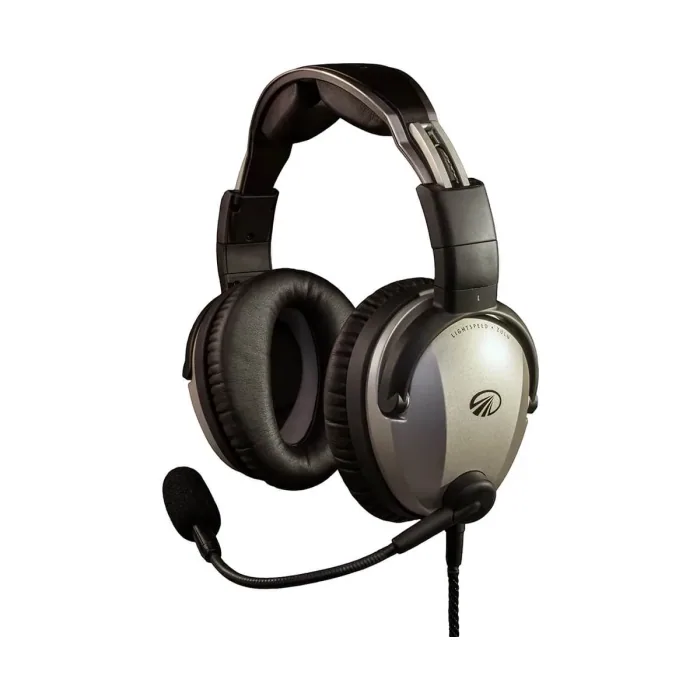
An Active Noise Reduction headset starts from the same passive shell, then adds microphones inside the ear cup that sample the residual noise and a processor that generates an inverted sound wave to cancel it electronically, on top of whatever the passive seal already blocked. This is precisely where ANR earns its keep: at the low frequencies passive attenuation struggles with most, engine drone and propeller noise chief among them. The Bose A30 offers three selectable ANR modes, low, medium and high, letting a pilot choose how aggressively the electronics work, while the Lightspeed Zulu 3 and Zulu 4 apply ANR across what Lightspeed describes as a deep, broad low-frequency range, with the Zulu 4 adding magnesium ear cups specifically to improve high-frequency attenuation alongside the ANR system.
What that means in practice
On a short flight in a relatively quiet cabin, the practical difference between a good passive headset and an ANR headset is smaller than the price gap between them suggests. On a long day of flying, in a loud trainer or a piston twin, the fatigue difference becomes considerably more noticeable, because ANR is specifically addressing the noise band that wears a pilot down over hours rather than minutes. This is also why ANR headsets are near-universal in airline and long-haul general aviation flying, while passive headsets remain common in flight training, rental fleets and anywhere durability and low replacement cost outweigh all-day comfort.
Cost, weight and power
ANR is not free in any sense. The electronics add weight, the Bose A30 at 14.2 oz and the Zulu 3 and Zulu 4 both at 14.6 oz against the H10-13.4's 16.5 oz shows the weight gap has narrowed considerably as ANR headsets have been refined, but ANR headsets also need power, typically AA batteries, and represent a materially higher purchase price than a passive equivalent. A passive headset like the H10-13.4 needs nothing but the pilot's head to work, has no battery to go flat mid-flight, and costs a fraction of an ANR unit to buy and to replace if it is lost, damaged or shared across a training fleet.
Choosing between them
- Long cross-country and charter flying, where all-day fatigue matters: ANR, and the Bose A30 or a Lightspeed Zulu model are the current examples ASPL carries.
- Flight training and rental fleets, where durability, low replacement cost and no battery dependency matter more than marginal comfort gains: passive, such as the David Clark H10-13.4.
- Budget-constrained student pilots buying their first headset: passive is a legitimate, fully capable starting point, not a compromise.
- Pilots already flying long hours who have never tried ANR: worth testing before assuming the price difference isn't justified, since the fatigue reduction is genuinely difficult to appreciate until experienced.
ASPL supplies both ANR and passive aviation headsets from Bose, Lightspeed and David Clark, and can help match the headset to the flying you actually do rather than the one with the longest feature list.