
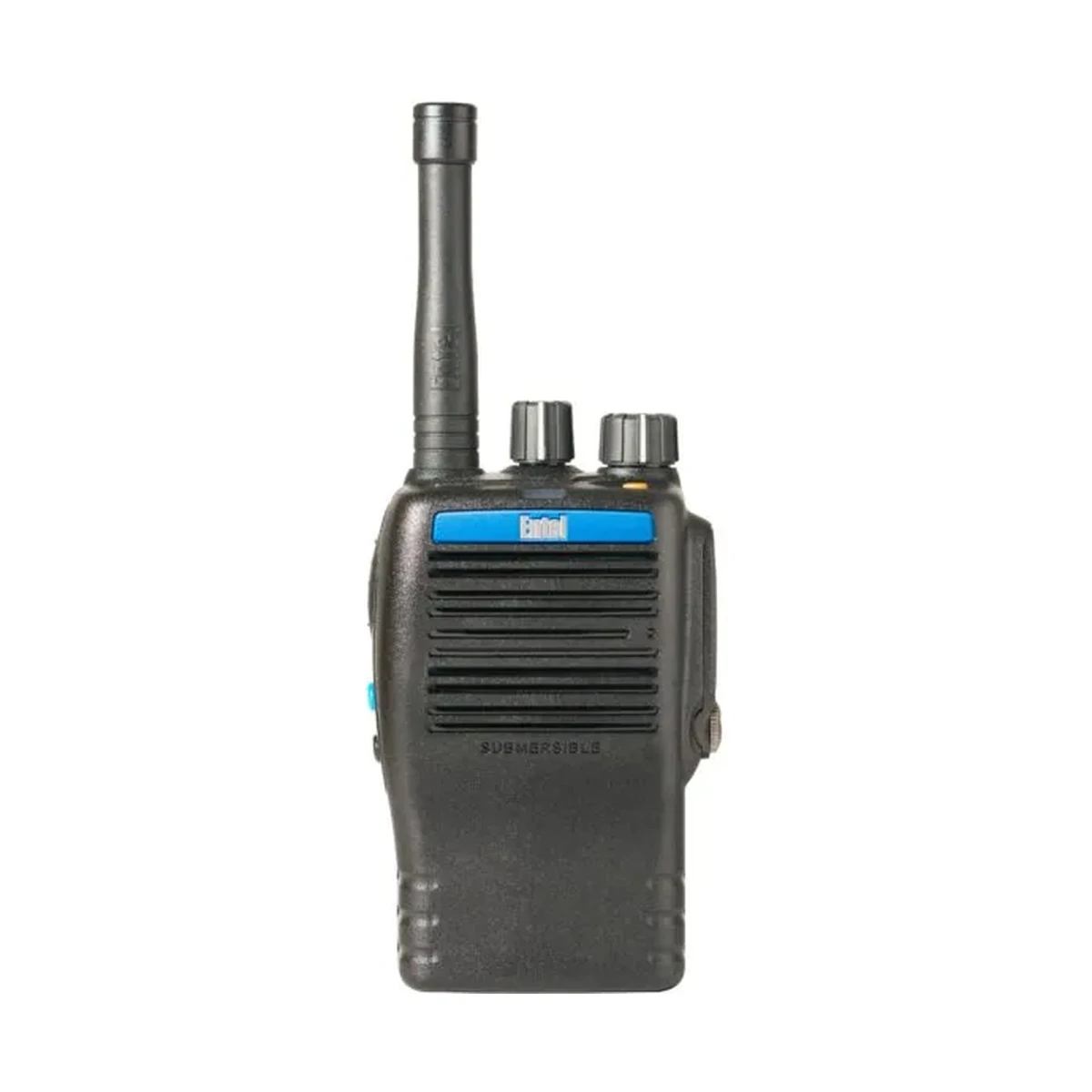
The certificate covers a configuration, not just a radio
Intrinsic safety certification does not test a radio's main electronics in isolation; it tests the specific combination of radio, battery and antenna as a complete system, verifying that the whole assembly's circuit energy stays within intrinsically safe limits under normal and fault conditions. The Entel DX542-IS, for instance, is specified with a specific CNB450E-IS 2200 mAh lithium-ion battery, and the DT982M with a CNB950EV2 1800 mAh pack, and these are not arbitrary accessory choices; they are components the certification was tested against.
Why a substituted battery voids the protection, quietly
A battery pack has its own electrical characteristics, internal resistance, maximum discharge current, energy storage, that factor directly into the overall circuit's intrinsically safe energy limits. Substituting a generic or third-party battery, even one that fits the radio physically and appears electrically similar, changes those characteristics in ways that have not been tested against the certification, and the radio's intrinsic safety protection cannot be assumed to hold with an untested component in place. The radio will very likely continue to function normally with a substituted battery, which is precisely what makes this a dangerous, easy mistake: there is no obvious malfunction signalling that the certified protection has been compromised.
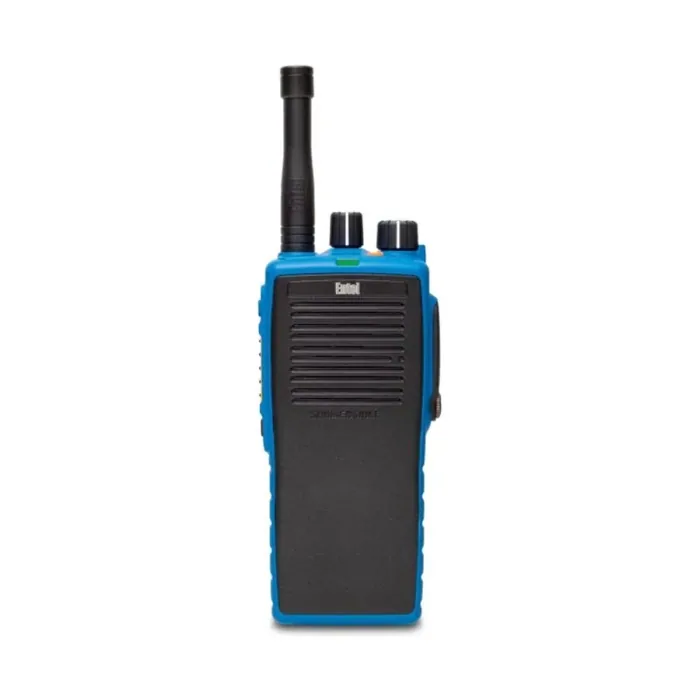
The same principle applies to the antenna
The specific antenna supplied with an intrinsically safe radio is similarly part of the tested and certified configuration, and substituting an aftermarket or higher-gain antenna carries the same risk as substituting the battery: it may work perfectly well from a communication standpoint while quietly invalidating the intrinsic safety certification that made the radio safe to carry into a hazardous area in the first place.
Why this matters more for battery care specifically
Batteries are consumable components that degrade and eventually need replacement, and unlike an antenna, which is rarely swapped casually, a battery replacement is a routine maintenance event that happens repeatedly over a radio's service life, at every point of which the same certification risk exists. A site running a fleet of intrinsically safe radios over several years will replace batteries many times, and each replacement is an opportunity to introduce an uncertified component if procurement is not specifically disciplined about sourcing the correct, certified battery every time.
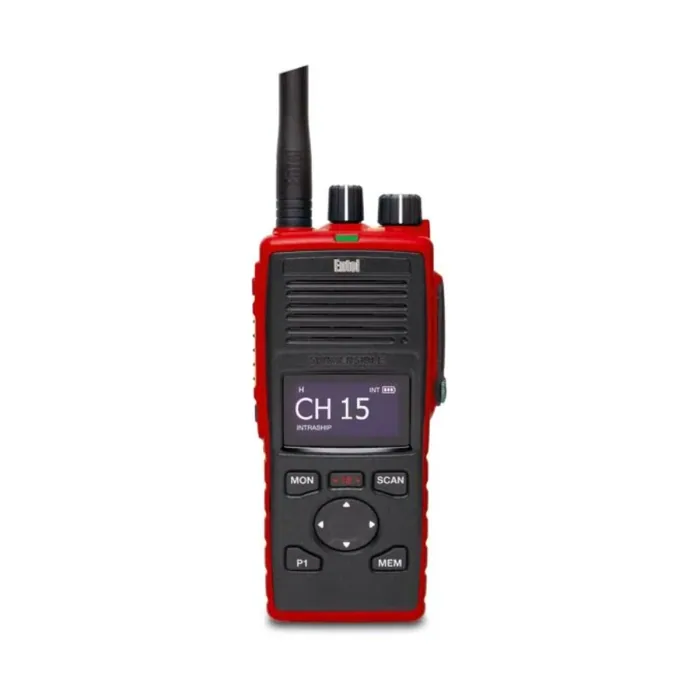
What good practice looks like
- Order replacement batteries specifically by the certified part number listed on the radio's own certificate, not by a generic "compatible battery" search.
- Keep the equipment's hazardous-area certificate on file and accessible to whoever handles battery procurement and replacement, not only to whoever specified the original equipment.
- Train staff responsible for battery swaps to understand that this is a safety-relevant decision, not a routine parts substitution, particularly on sites where battery replacement may be handled by general maintenance staff rather than a dedicated radio technician.
- Treat a radio with an unknown or unverifiable battery history, for instance equipment inherited from another site or a previous owner, with caution until the battery's certified provenance can be confirmed.
- Apply the same discipline to antenna replacement, even though it happens far less frequently than battery replacement.
Where this responsibility sits
Sourcing and confirming the correct certified battery and antenna for a specific radio is a straightforward request to put to the equipment supplier, and it removes the risk of an incorrect substitution being made informally on-site under time pressure. ASPL is an authorised distributor of Entel in India and supplies the correct certified batteries and antennas for its ATEX and IECEx range, matched to the specific radio's certificate rather than a generic compatible part.