
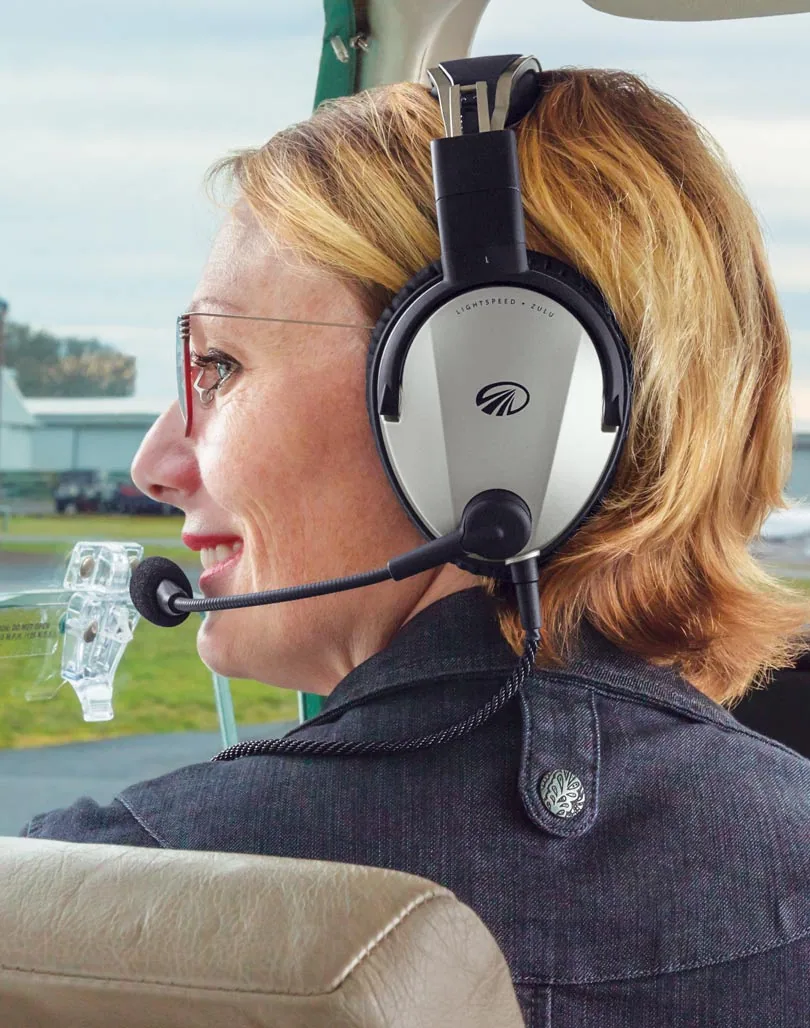
The chain a headset is actually part of
It is easy to think of a headset as connecting directly to the aircraft radio, but in most aircraft the actual chain runs through an intercom system: the headset's microphone and speaker connect to the intercom, and the intercom mixes that audio with the aircraft's radio, navigation aid identifiers, and any other connected audio source, then routes the mixed output back to every headset plugged in. Understanding this chain explains why a correctly chosen headset can still sound wrong, or fail to transmit, if some other link in the chain is misconfigured.
Push-to-talk: who is actually transmitting
A push-to-talk, or PTT, switch is what tells the intercom system to route a specific headset's microphone out to the radio for transmission, rather than just to the other headsets on the intercom. Without pressing PTT, a pilot's headset microphone is typically only heard by other crew on the intercom, not transmitted over the radio at all, which is precisely the behaviour that prevents every conversation in the cockpit from broadcasting to air traffic control. Handheld radios such as the IC-A16 and IC-A25 series have their own dedicated PTT built into the unit, separate from any aircraft intercom, since a handheld operates independently of the aircraft's wiring entirely.
Where the headset's own build fits in
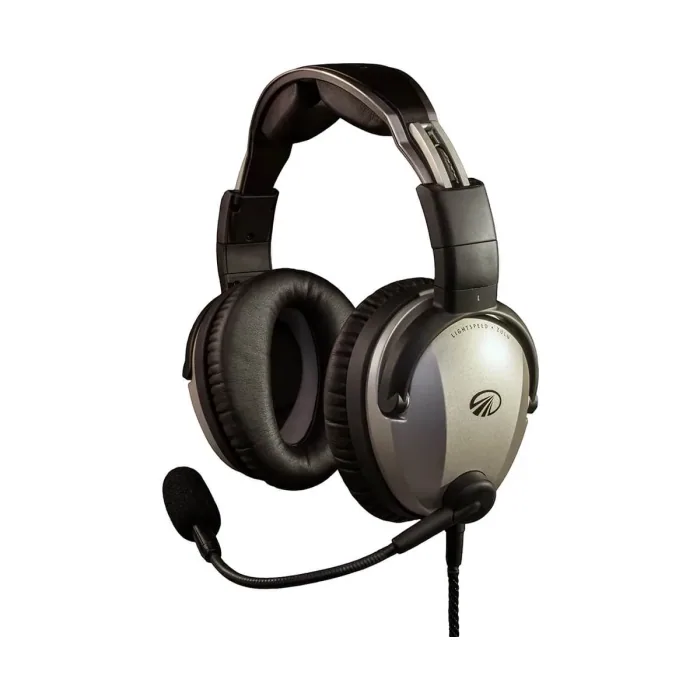
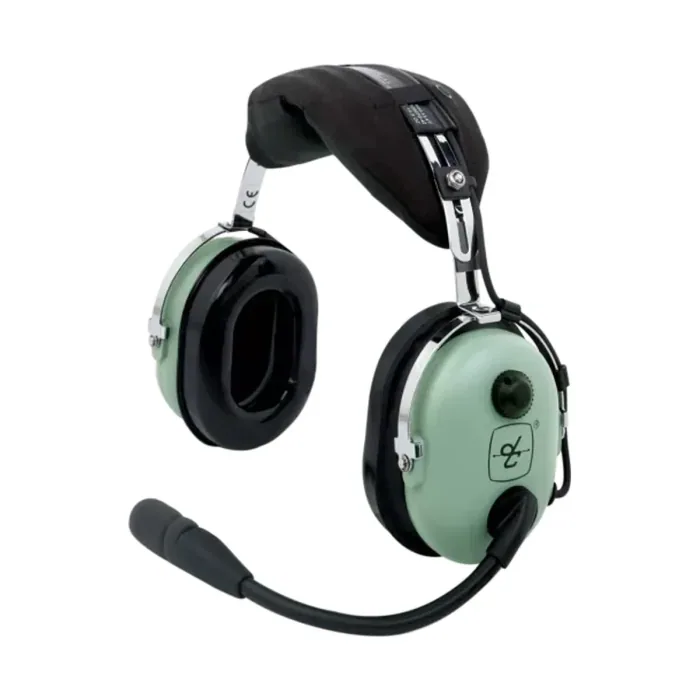
Everything covered elsewhere in this series, ANR versus passive attenuation, plug type, Bluetooth, is about how well the headset itself performs its two jobs: protecting hearing from cockpit noise and delivering clear, intelligible microphone audio into that intercom-and-radio chain. A headset with excellent noise reduction but a poorly performing microphone still produces garbled radio transmissions, which is why microphone quality, the David Clark H10-13.4's M-7A noise-cancelling electret being a specific example, matters as much as the noise reduction figure most buyers focus on first.
Sidetone: hearing yourself
Sidetone is the small amount of a pilot's own transmitted audio fed back into their headset while they are speaking, letting them confirm the system is working and gauge their own volume, in much the same way a telephone lets you hear your own voice faintly. Icom's IC-A120 base station specifically lists a sidetone function among its features, reflecting how relevant this small but genuinely useful detail is to confident, clear radio operation, particularly in a ground-station role where an operator is talking to multiple aircraft in succession.
Where a handheld radio changes the chain
A handheld radio used as a backup, rather than the aircraft's installed communication set, generally bypasses the aircraft's intercom entirely unless specifically wired into it, meaning the pilot may be speaking and listening through the handheld's own built-in microphone and speaker, or through a headset connected directly to the handheld via an adapter, rather than through the normal cockpit intercom chain. This is worth understanding before an emergency requires switching to a backup radio mid-flight, since the audio path a pilot is used to changes along with the equipment.
Putting it together
- A headset connects to the intercom, not directly to the radio; the intercom mixes and routes audio to and from the radio.
- PTT determines whether a given headset's microphone is transmitted over the radio or only heard on the intercom.
- Microphone quality matters as much as noise reduction, since both determine how well transmitted audio actually reaches the person on the other end.
- A handheld backup radio generally operates outside the aircraft's normal intercom chain, and it is worth understanding how before you need it in an emergency.
ASPL supplies the headsets and radios that make up this chain, from Bose, Lightspeed, David Clark and Icom, and can help make sure the pieces you choose actually work together correctly in your specific aircraft.