
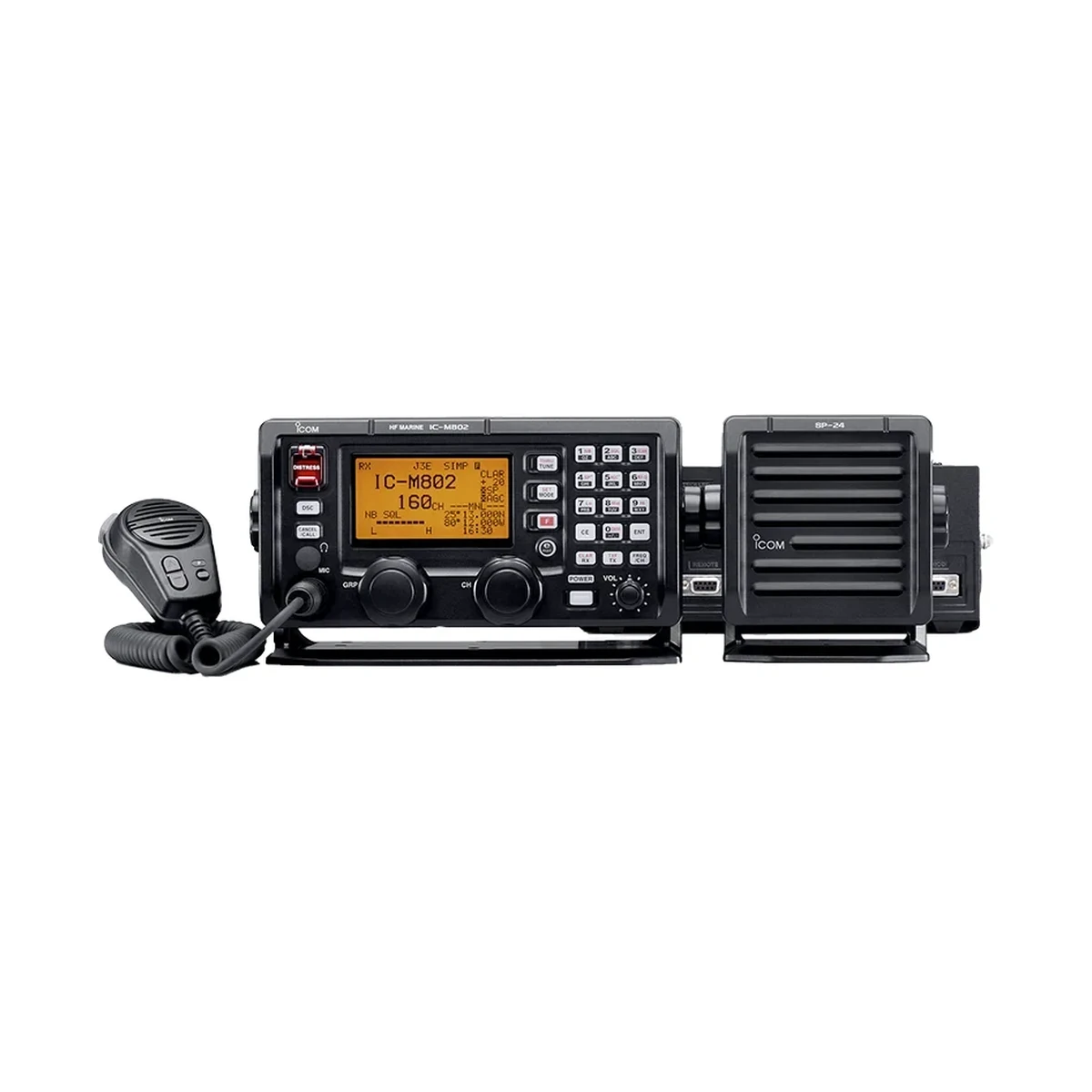
Why HF radio still matters in an emergency
Modern disaster response leans heavily on cellular networks, internet connectivity and satellite communication, and all three are vulnerable to exactly the kind of infrastructure damage a disaster is likely to cause: downed cell towers, severed fibre links, damaged ground stations. HF radio, high frequency communication capable of covering long distances through ionospheric propagation, depends on none of that infrastructure, which is precisely why it remains part of disaster response planning even in an era of otherwise ubiquitous connectivity.
What ASPL supported in 2022
In 2022, ASPL supported the establishment of emergency HF communications with the Ham Department in Agartala during disaster response operations, working with amateur, or "ham," radio operators who maintain licensed HF capability and, in India as in many countries, form a recognised part of emergency communication planning precisely because of that infrastructure independence.
Why amateur radio operators specifically matter to disaster response
Licensed amateur radio operators maintain their own HF equipment, operating skill and, critically, an established radio network of fellow operators, independent of any commercial or government communication infrastructure. When conventional networks fail, this existing, already-functioning amateur network can be mobilised for emergency coordination considerably faster than standing up replacement infrastructure from scratch, which is why amateur radio's role in disaster response is a recognised part of emergency planning in India and internationally rather than an improvised, ad hoc arrangement.
What establishing emergency HF communications actually involves
Supporting the establishment of emergency HF communications means ensuring the technical equipment, appropriately specified and functioning transceivers, antennas correctly tuned for the frequencies and propagation conditions relevant to the emergency, is in place and operational when it is needed, work that draws on the same HF radio technical expertise covered in this catalogue's MF/HF and amateur radio content, applied under the time pressure and operational urgency a disaster response situation creates.
Where this sits in ASPL's broader work
This 2022 disaster response support connects to two other threads covered elsewhere in this catalogue: the general MF/HF radio expertise applied to GMDSS marine communication, and the amateur radio equipment and licensing content covered in this catalogue's outdoor and amateur radio range. Disaster response HF work draws on the same underlying technical capability as both, applied in a genuinely time-critical, high-stakes context rather than a routine commercial installation.
Why this matters beyond the specific event
- ASPL has direct, demonstrated experience supporting emergency communications infrastructure under genuine disaster response conditions, not just routine commercial or defence installations.
- This reflects the same HF radio technical depth applied elsewhere in ASPL's GMDSS and amateur radio catalogue, demonstrated in a context where the equipment's reliability was genuinely tested by real operational urgency.
- Government agencies and disaster management authorities considering emergency communications planning have a specific, relevant precedent to reference.
ASPL supplies HF radio equipment across its GMDSS and amateur radio catalogue and has direct experience supporting the kind of emergency, infrastructure-independent communications this Agartala disaster response work required.