
Zones describe frequency of hazard, not just severity
A hazardous area classification study divides a site into zones based on how often, and for how long, an explosive gas atmosphere is expected to be present during normal operation, not simply how dangerous the substance involved is. Zone 0 covers areas where an explosive atmosphere is present continuously or for long periods. Zone 1 covers areas where it is likely to occur periodically during normal operation. Zone 2 covers areas where it is not expected during normal operation and, if it does occur, only briefly.
Equipment Protection Level: the marking's answer to zoning
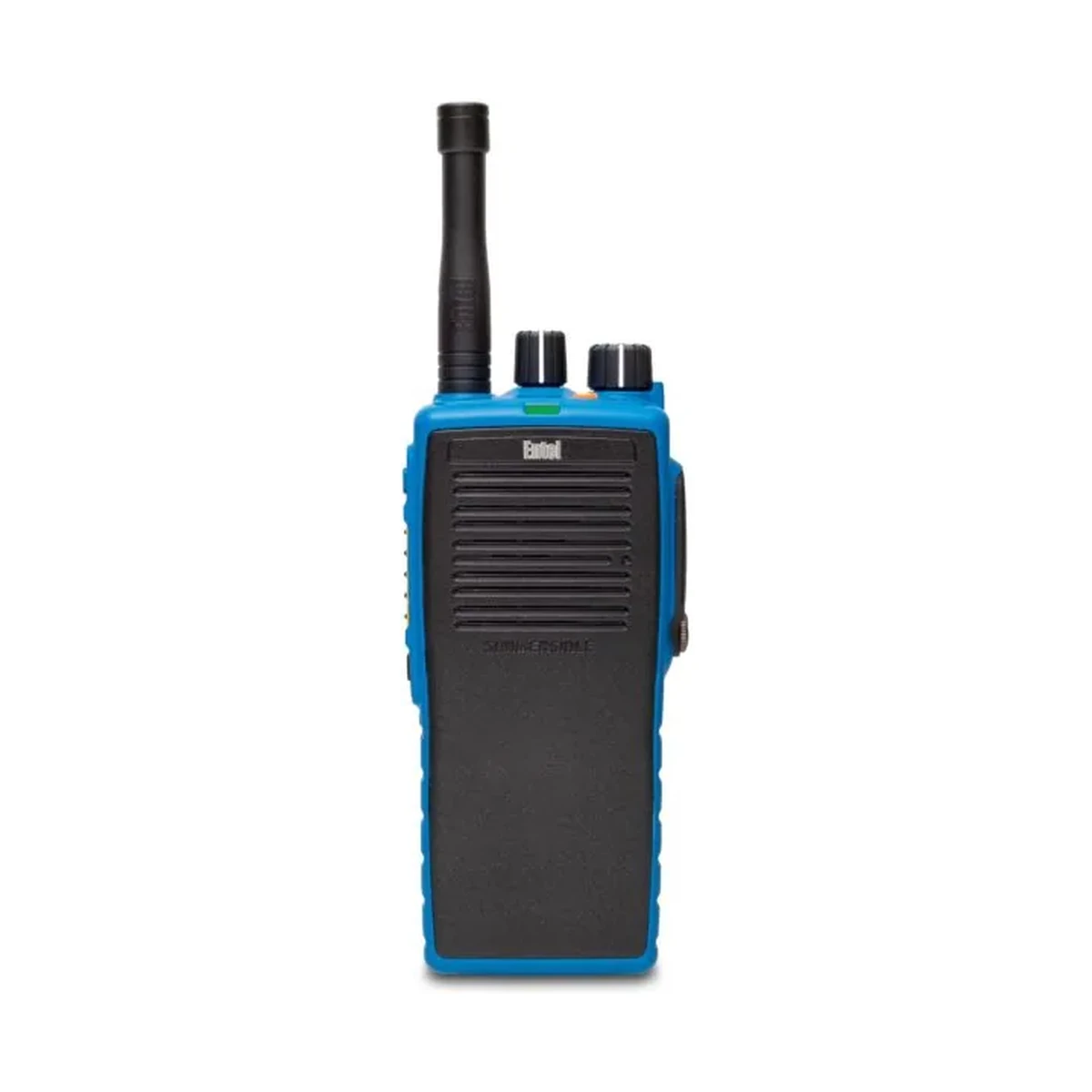
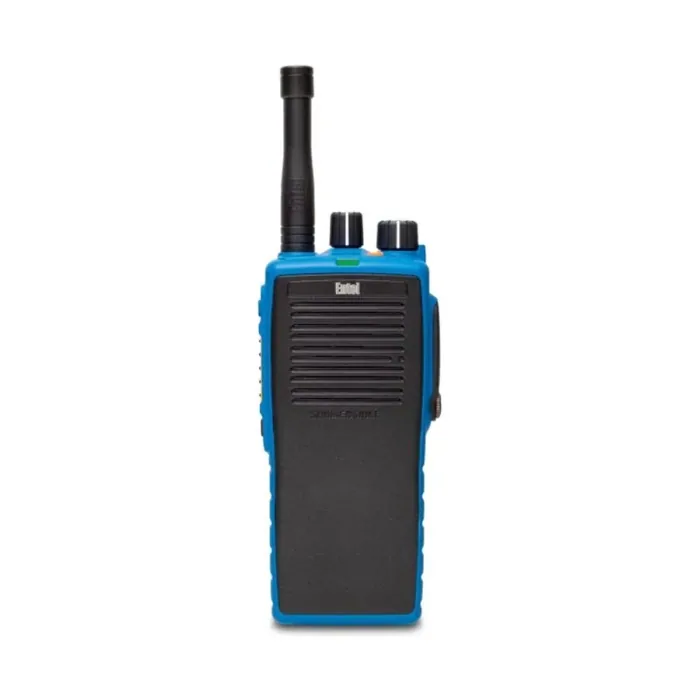
The final letters in a full Ex marking, appearing after the gas group and temperature class, state the Equipment Protection Level, or EPL, and this is the specific detail that maps equipment directly to the zone it may be used in. Ga is the highest protection level, required for Zone 0. Gb, the level carried by the Entel DT982M and the great majority of this catalogue's ATEX-rated handhelds, suits Zone 1. Gc, a lower protection level, suits Zone 2.
Why higher-level equipment can be used in a lower-hazard zone, but not the reverse
Equipment certified to a higher protection level provides more robust protection than a lower zone strictly requires, so Ga-rated equipment can be used in Zone 1 or Zone 2 as well as Zone 0, and Gb-rated equipment can be used in Zone 2 as well as Zone 1. The reverse does not hold: Gc-rated equipment, certified only to the standard appropriate for the least hazardous zone, has not been tested to the more demanding requirements of Zone 1 or Zone 0 and must not be used in those areas regardless of how capable the equipment otherwise appears.
Why most handheld radios in this catalogue are Gb, not Ga
Ga-rated equipment for continuous Zone 0 use is comparatively rare in the two-way radio category generally, in part because Zone 0 areas, where an explosive atmosphere is present essentially all the time, are typically confined spaces such as the interior of a storage tank rather than areas where personnel routinely work and need to carry a radio. Gb, matching Zone 1, is the practical and common rating for handheld radios used by workers moving through and around process areas where a hazardous atmosphere can occur periodically but is not continuously present, which describes the great majority of real industrial radio use cases.
Getting the zone classification right in the first place
The zone classification for a specific area of a site is determined through a formal hazardous area classification study, typically carried out or commissioned by the site's own process safety or engineering function, documented in site drawings and records rather than something to be inferred casually. Buying equipment based on a general sense of "this area seems hazardous" rather than the documented zone classification risks either under-specifying equipment for a genuinely more hazardous area than assumed, or over-specifying and paying for protection levels a lower-hazard area does not require.
A practical approach
- Obtain the specific zone classification, Zone 0, 1 or 2, for each area of the site where the radio will actually be carried or used, from the site's own documented hazardous area classification.
- Match equipment protection level accordingly: Ga for Zone 0, Gb for Zone 1, Gc for Zone 2, remembering that a higher level always covers a lower zone but never the reverse.
- Where personnel move between zones of different classification during a shift, specify equipment rated for the most hazardous zone they will actually enter, not an average or a lower zone they spend most time in.
- Treat this alongside gas group and temperature class as three independent specifications that all have to match the site's requirement together, not as a single combined "ATEX rating" to check off once.
ASPL is an authorised distributor of Entel in India and can help match a site's documented zone classification to the correct equipment protection level before hazardous-area radios are specified.