
Four separate decisions that work better made together
A light aircraft's portable equipment, navigation, ADS-B traffic, headset and backup radio, is often bought reactively: a pilot notices a gap and fills it, one purchase at a time, over several years. Each of these decisions is covered individually elsewhere in this catalogue, but sequencing them deliberately, and understanding how they interact, produces a more coherent, and often less expensive, result than buying reactively.
Start with what the panel already provides
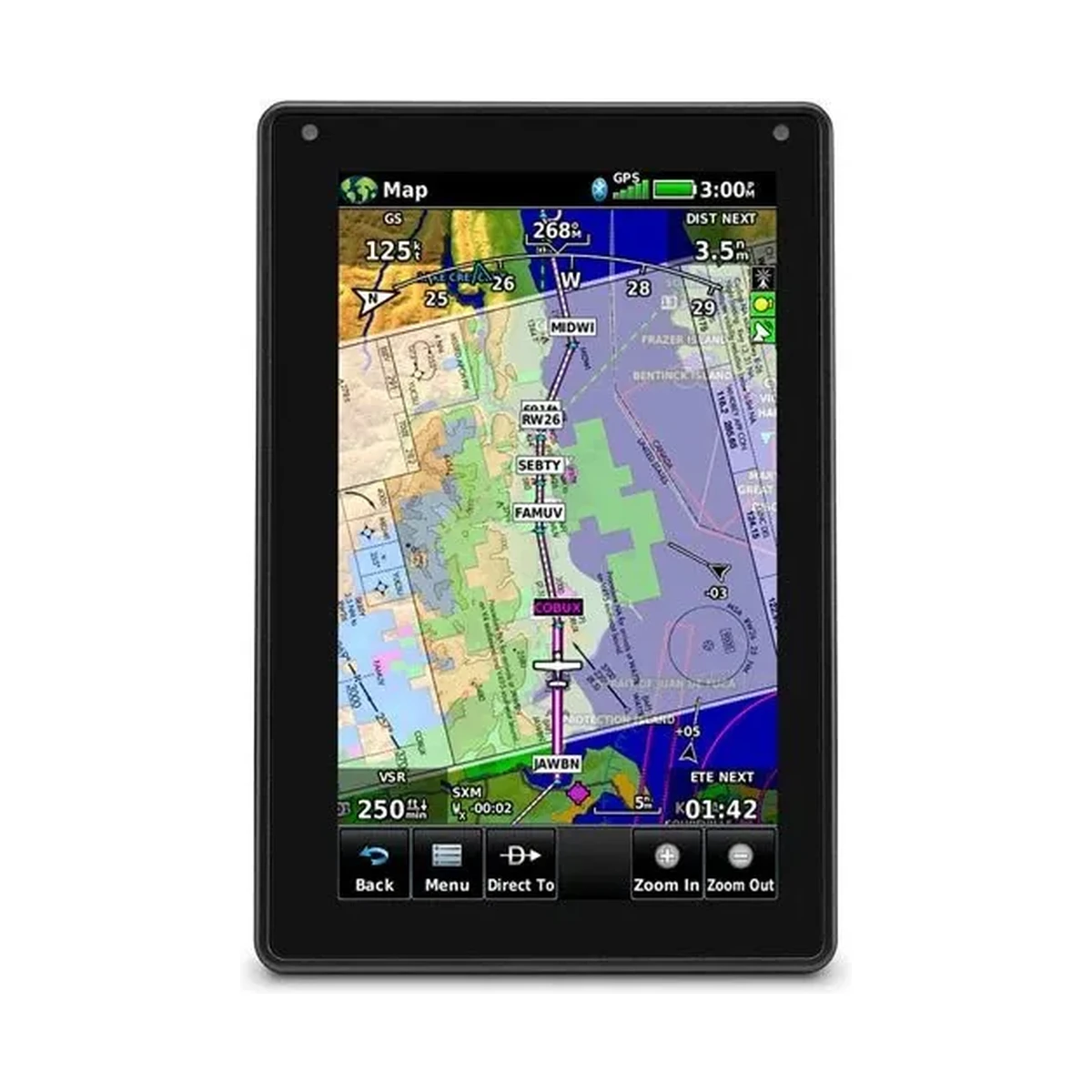
Before buying anything, confirm what the aircraft's existing panel avionics actually cover, since this determines whether a portable navigator is the primary navigation source or a backup to certified equipment, covered in more depth in the dedicated panel-versus-portable article elsewhere in this series. An aircraft with no panel GPS needs a navigator, such as the Aera 660 or Aera 760, as its foundation; an aircraft with existing panel avionics may be better served starting elsewhere in this list.
Add ADS-B In for traffic
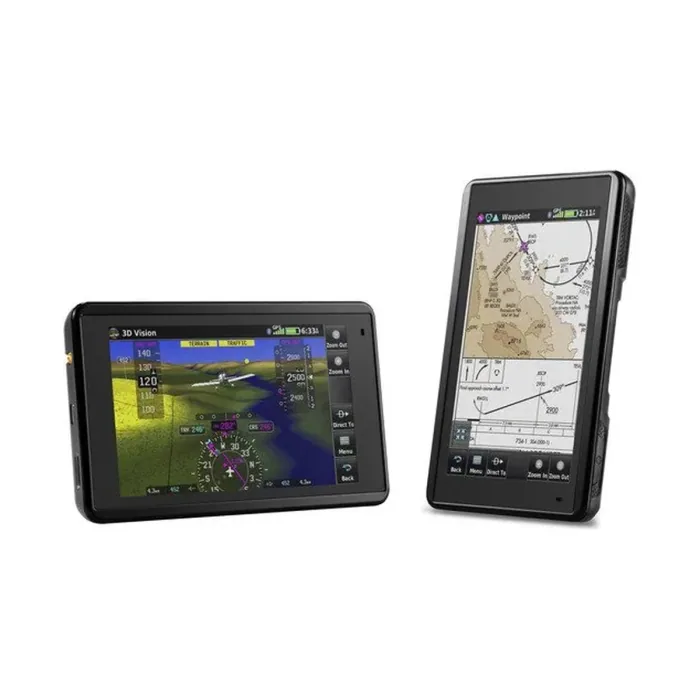
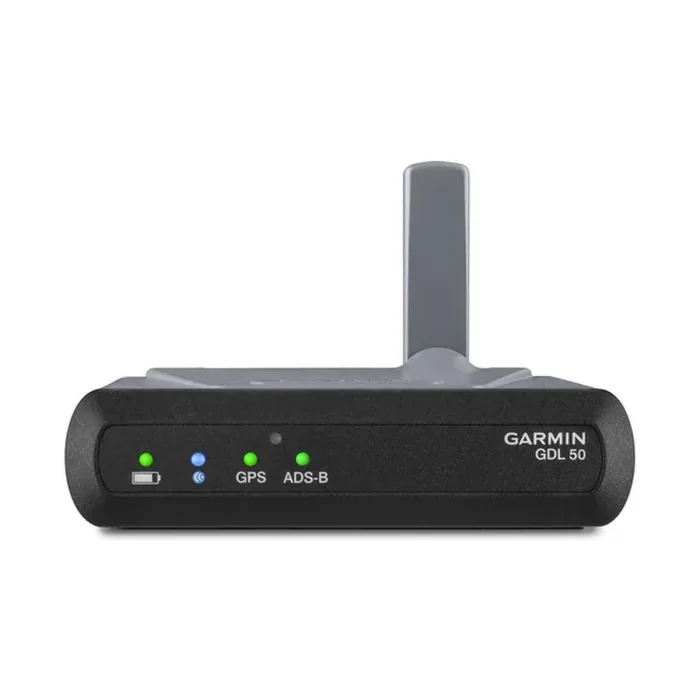
A portable ADS-B In receiver such as the Garmin GDL 50 pairs wirelessly with a portable navigator or an EFB app such as Garmin Pilot, adding dual-band traffic display, covered in more depth in the dedicated ADS-B article elsewhere in this series. This is worth adding once the navigation layer is in place, since it depends on a display, the navigator or a tablet, to actually show anything useful.
Choose a headset based on how you actually fly
ANR versus passive, covered in the dedicated headset comparison elsewhere in this series, is a separate decision from the avionics stack entirely, and the right choice depends on flight length and budget rather than on what electronics are already in the cockpit. A student or occasional pilot may reasonably prioritise the avionics stack first and defer a premium ANR headset; a pilot flying long cross-country sectors regularly gets more day-to-day value from the headset upgrade than from an additional avionics layer.
A backup handheld radio
A handheld VHF air band transceiver such as the Icom IC-A16 or IC-A25N/IC-A25C, covered in the dedicated backup radio article elsewhere in this series, is comparatively inexpensive insurance against a panel radio failure, and it is worth adding once the core navigation and traffic layers are settled rather than being the first purchase.
Database subscriptions are not optional on any of this
Whichever navigator, EFB or panel avionics are in use, the navigation database behind them needs to stay current on the 28-day AIRAC cycle, covered in more depth elsewhere in this series. Budget for the ongoing subscription cost as part of the equipment decision, not as a surprise recurring expense discovered after the hardware is already bought.
A sensible buying order
- Confirm what the panel already provides before buying a portable navigator.
- Add a portable navigator or a GPS/EFB combination if the panel needs one.
- Add ADS-B In for traffic once the navigation and display layer is settled.
- Choose a headset based on actual flying pattern, independent of the avionics timeline.
- Add a backup handheld radio once the core stack is in place.
- Set up and budget for ongoing database subscriptions from day one.
ASPL supplies the full Garmin portable GPS and ADS-B range, Bose, Lightspeed and David Clark headsets, and Icom's aviation handheld radios, and can help sequence a cockpit build against a specific aircraft's existing panel and a specific pilot's actual flying pattern.