
What the Dornier platform is
The Dornier Do-228 is a twin-turboprop, short take-off and landing aircraft originally developed in Germany and license-built in India by Hindustan Aeronautics Limited, widely used by the Indian Navy and Indian Coast Guard for maritime surveillance, coastal patrol and light transport roles. Its short-field performance and twin-engine reliability made it a natural fit for the varied airstrips and extended overwater operations Indian coastal and maritime surveillance work demands.
What ASPL did in 2004
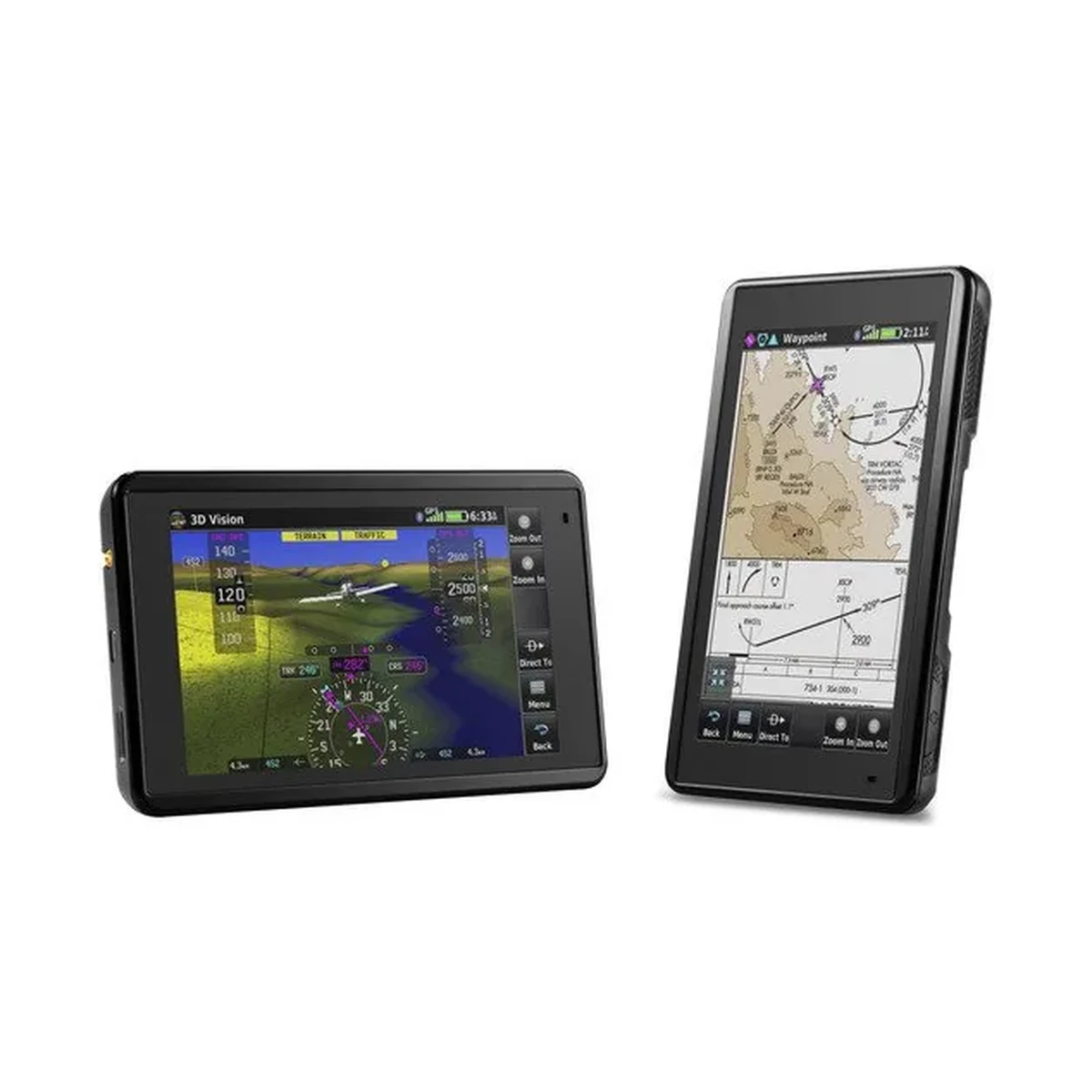
In 2004, ASPL integrated Garmin GPS navigation systems with onboard avionics across Dornier aircraft, a genuinely different scope of work from fitting a standalone portable GPS unit into an aircraft with no existing navigation suite. Integration means the new GPS system has to interface correctly with whatever avionics, displays and navigation instruments the aircraft already carries, rather than operating as an independent, standalone addition.
Why integration is harder than installation
A portable GPS unit, covered extensively in this catalogue's aviation navigation content, can be added to a cockpit with comparatively little interaction with existing systems, drawing its own power and displaying its own screen. Integrating a GPS system into an aircraft's existing avionics suite instead means the new equipment has to correctly feed position, course and navigation data into displays, autopilot systems or other instruments the aircraft already relies on, verified to work correctly with the specific existing equipment on that airframe rather than operating in isolation.
Why this matters for a maritime patrol aircraft specifically
For an aircraft flying maritime surveillance and coastal patrol missions, accurate, reliably integrated GPS navigation is directly tied to mission effectiveness, correctly locating and returning to a position of interest over open water, where visual landmarks are absent and the margin for navigational error is considerably less forgiving than over land. This is precisely the operational context the Dornier's Navy and Coast Guard roles place it in.
The foundation this built on, and what followed
The 2004 Dornier integration followed the Indian Navy's marine GPS standardisation in 2002, covered in the dedicated article elsewhere in this series, extending ASPL's naval GPS work from surface and subsurface vessels into fixed-wing aircraft avionics integration. It preceded, and arguably informed, the later helicopter cockpit work covered elsewhere in this series: the 2018 Chetak glass cockpit upgrade and the 2019 indigenised trainer aircraft GPS and MFD integration, both building on the same avionics integration discipline first applied to the Dornier platform.
What this represents for aviation buyers today
- Avionics integration work, not just equipment supply, has been part of ASPL's aviation capability since 2004, predating much of the portable GPS and ADS-B range covered elsewhere in this catalogue.
- Experience integrating navigation equipment into existing avionics suites, rather than only fitting standalone portable units, is directly relevant to any operator considering a panel-mount or integrated avionics upgrade, covered in more depth in this catalogue's panel-versus-portable content.
- Defence and maritime patrol aviation integration work of this kind reflects a level of technical scrutiny and certification discipline well beyond a straightforward equipment sale.
ASPL continues to provide aviation GPS integration alongside its portable navigation and ADS-B range.