
Where the figure comes from
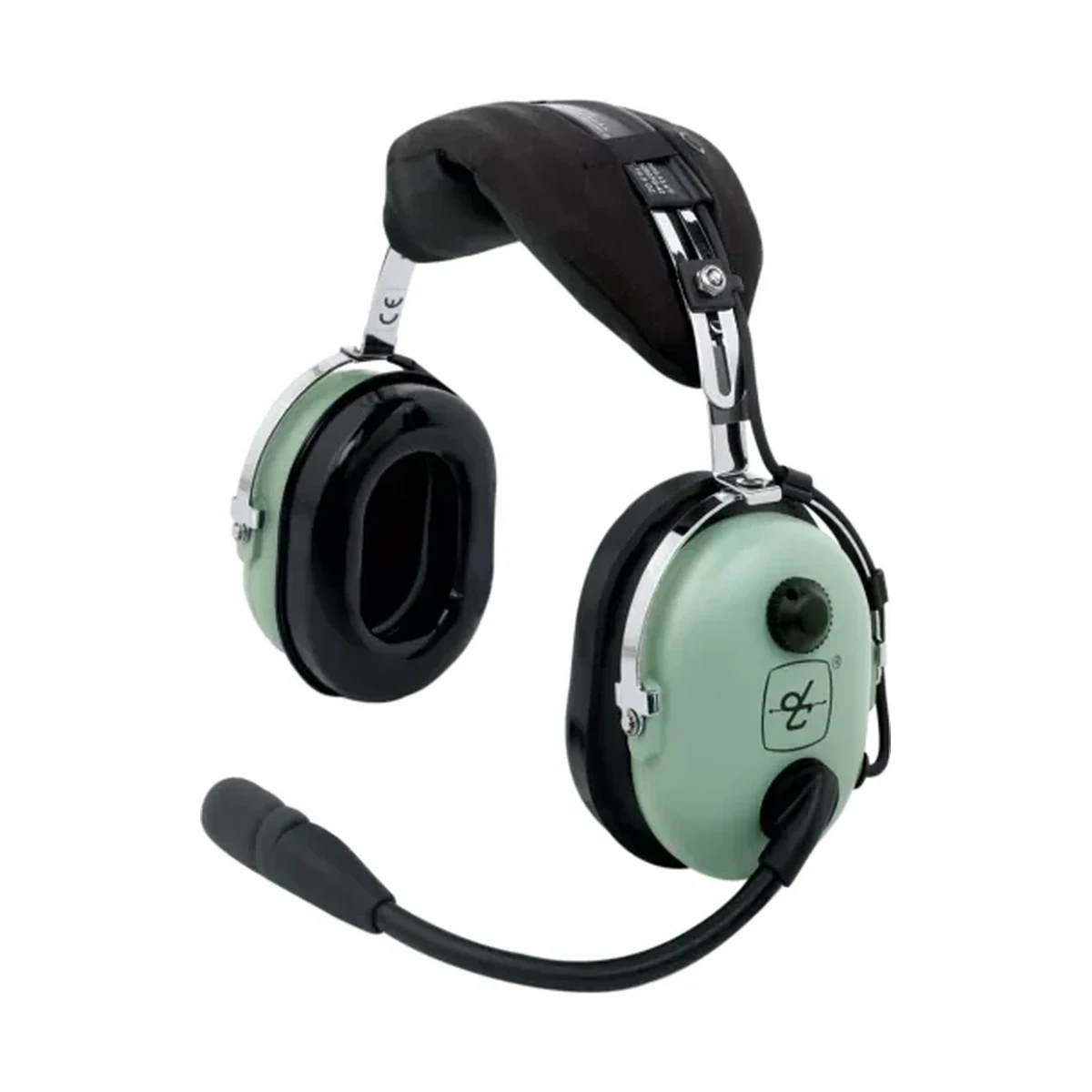
The David Clark H10-13.4 carries a certified Noise Reduction Rating of 23 dB. Unlike vaguer marketing claims of noise cancellation, NRR is a standardised measurement, tested under the ANSI S3.19 protocol, that manufacturers are required to determine and disclose for hearing protection devices. It is a single number meant to summarise how much a device reduces sound pressure reaching the ear across the tested frequency range, and it is directly comparable between different passive hearing protectors tested to the same standard.
Why decibels do not behave like percentages
It is easy to look at a 23 dB figure and assume it represents a modest reduction, especially against a background of marketing language implying near-total silence. Decibels are a logarithmic scale, not a linear one, and this matters enormously to interpreting the figure correctly. Every 10 dB reduction corresponds roughly to a halving of perceived loudness to the human ear, which means a 23 dB reduction is a substantial cut in the sound energy actually reaching the ear canal, considerably more dramatic than the number alone suggests to anyone reading it as if it worked like a percentage.
What NRR does and does not measure
NRR is measured under laboratory conditions with a controlled fit, and real-world attenuation is generally somewhat lower than the lab figure because a real fit against a real head is rarely as perfect as a test rig's. It is also, by design, a broadband figure rather than a frequency-specific one, meaning it summarises attenuation across the tested spectrum rather than describing performance at any single frequency. This is directly relevant to the ANR-versus-passive discussion covered elsewhere in this series: passive attenuation of the kind NRR measures is generally stronger at higher frequencies than at the low frequencies where engine and propeller noise concentrate, so a headset's NRR figure tells you its overall attenuation without telling you how that attenuation is distributed across the noise spectrum a pilot actually experiences.
Why this matters when comparing headsets
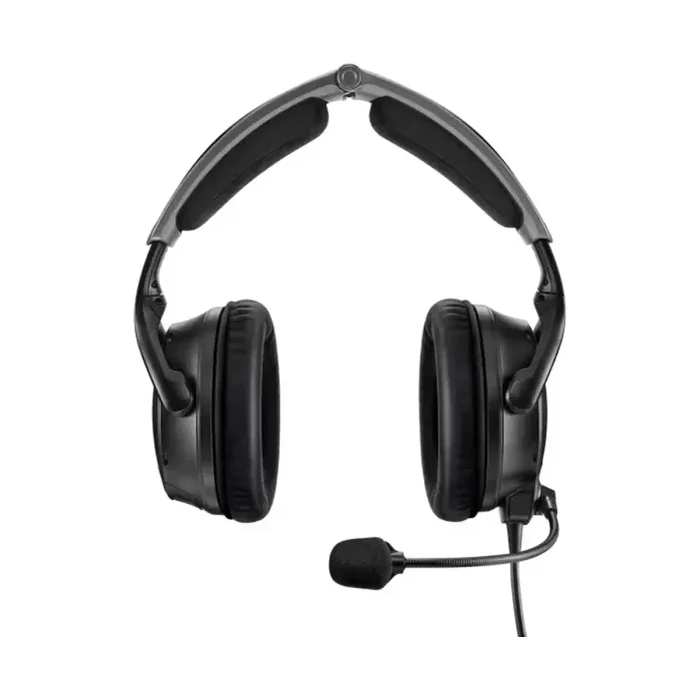
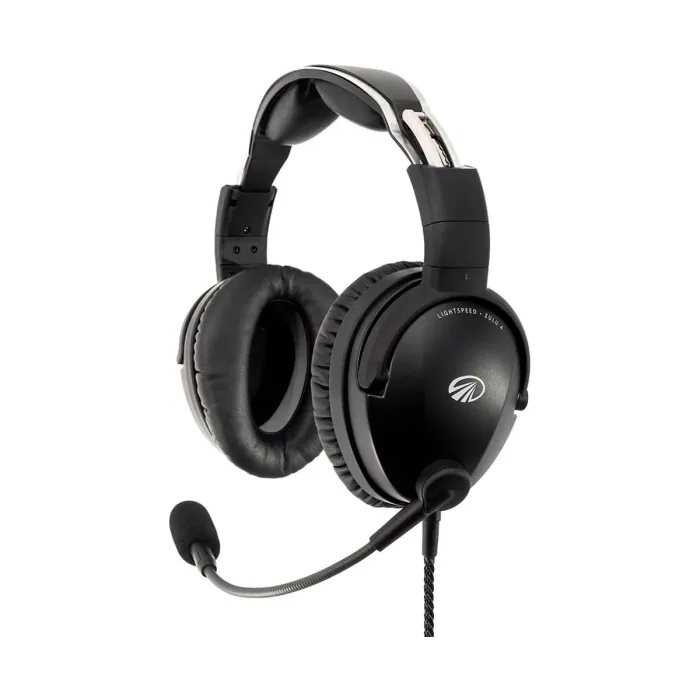
An NRR figure is a genuinely useful, standardised basis for comparing passive headsets against each other, since it is measured the same way across manufacturers rather than being a proprietary marketing claim. It is a less complete tool for comparing a passive headset against an ANR headset, since ANR units are not typically marketed primarily on an NRR figure in the same way, their value proposition rests on active cancellation layered on top of whatever passive attenuation the shell already provides, which is a different mechanism the single NRR number was never designed to capture.
Reading the H10-13.4's rating in context
- 23 dB is a certified, independently measured figure, not a marketing estimate, and it is directly comparable to other ANSI S3.19-rated headsets.
- The logarithmic nature of decibels means this represents a substantial reduction in perceived cockpit noise, not a modest one.
- Expect somewhat lower attenuation in practice than the lab figure, since fit quality varies from the controlled test conditions.
- NRR describes overall attenuation, not its distribution across frequencies, so it does not directly answer how a passive headset compares to an ANR headset at the low frequencies that matter most for long-flight fatigue.
ASPL supplies the H10-13.4 and can put its NRR figure in context against the ANR headsets covered elsewhere in this series, so a buyer is comparing on genuinely equivalent terms rather than reading one number in isolation.