
Different certification, different role
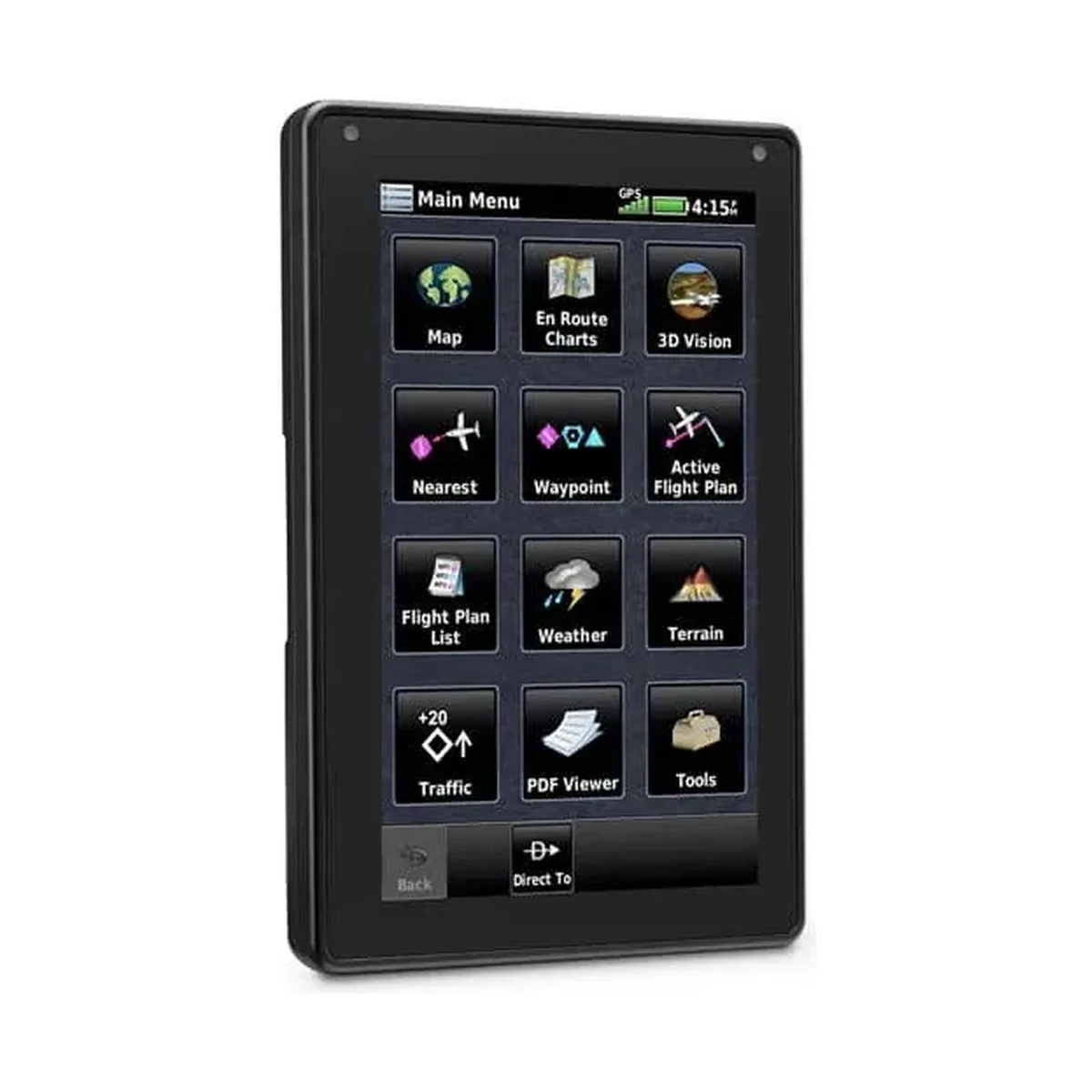
A panel-mount GPS is installed avionics, certified for the aircraft it is fitted to and, depending on the installation, approved as a primary means of navigation for IFR operations. A portable unit such as the Aera 660 or Aera 760 is supplemental equipment: it runs the same category of GNSS technology and, on the 760, carries the same VFR/IFR route data, but it is not certified to the aircraft in the way panel avionics is, and it is generally flown alongside certified equipment rather than in place of it.
Where a portable unit genuinely earns its place
The clearest case is an aircraft with no panel-mount GPS at all, where a portable navigator is not a backup to anything, it is the only GNSS navigation source available, and a real improvement over dead reckoning or ground-based navaids alone. The second clear case is redundancy: an aircraft with certified panel avionics that could, like any electronic system, fail, gains a genuinely independent backup in a portable unit with its own battery, its own GNSS receiver and no shared point of failure with the panel installation.
Where a portable unit is the wrong tool
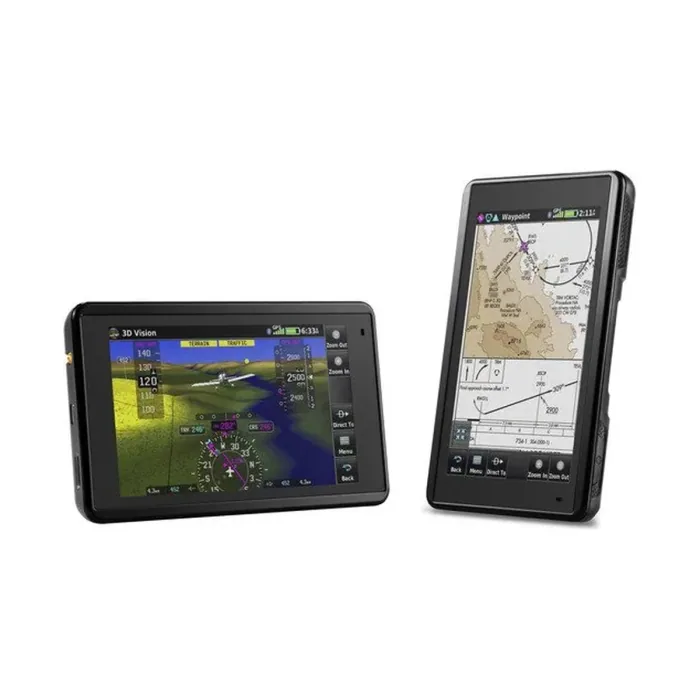
A portable navigator is not a substitute for panel-mount avionics where the aircraft's operating rules require certified equipment for a given phase of flight or procedure. Buying a capable portable unit does not change what an aircraft is certified for; it adds a supplemental tool within whatever the aircraft's existing certification already permits. An operator uncertain where that line sits for their aircraft and operation should resolve it through their own certification documentation and DGCA guidance rather than assuming a portable unit's data content settles the question.
Cost and installation as practical drivers
Beyond certification, cost is a genuine factor in how this decision plays out in practice. Panel-mount avionics involve installation, wiring and, depending on the equipment, a supplemental type certificate or equivalent approval, which is a meaningfully larger undertaking than unboxing a portable unit and mounting it on a yoke or suction mount. For an owner deciding how to spend a limited avionics budget, a portable unit is frequently the more accessible first step, with panel-mount avionics added later as the aircraft's mission and the owner's budget both develop.
The two working together
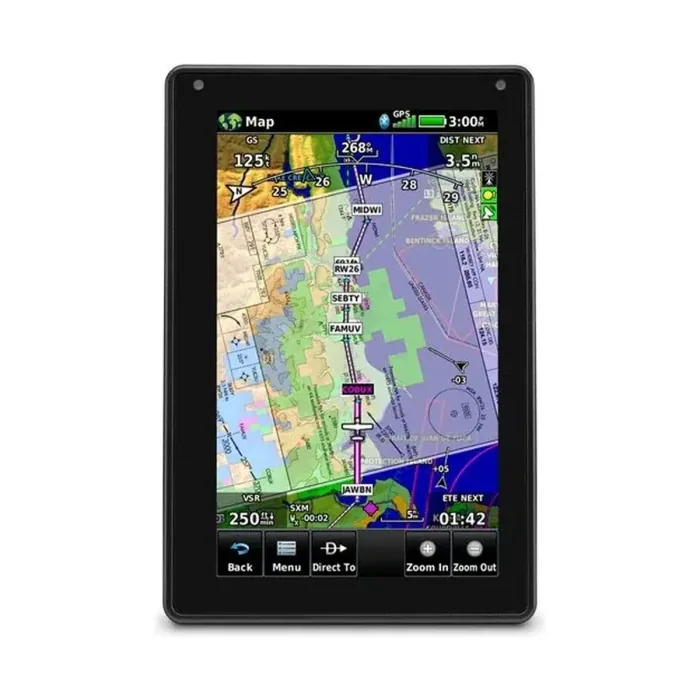
In practice, a well-equipped IFR aircraft commonly carries both: certified panel avionics as the primary, approved navigation source, and a portable unit as backup, situational-awareness display, or a place to run additional capability such as ADS-B In traffic through a paired GDL 50 without modifying the certified panel installation at all. Framing the choice as panel-mount versus portable misses this: for most aircraft that already have a panel-mount GPS, the real question is not whether to add a portable unit, but which one, and what role it plays alongside the equipment already installed.
Deciding for your aircraft
- No panel-mount GPS at all: a portable navigator is the primary GNSS navigation source and the clearer priority.
- Panel-mount GPS already installed, no backup: a portable unit adds independent redundancy at comparatively low cost.
- Flying IFR under rules that require certified equipment for specific procedures: panel-mount avionics remain the equipment of record regardless of what portable capability is also carried.
- Budget-constrained new owner: a portable unit is frequently the sensible first purchase, with panel-mount avionics planned as a later step.
ASPL supplies both the Aera portable GPS range and can advise on avionics integration more broadly, and has handled aircraft GPS integration work including on Dornier aircraft, so the panel-mount side of this decision is not outside our scope either.