
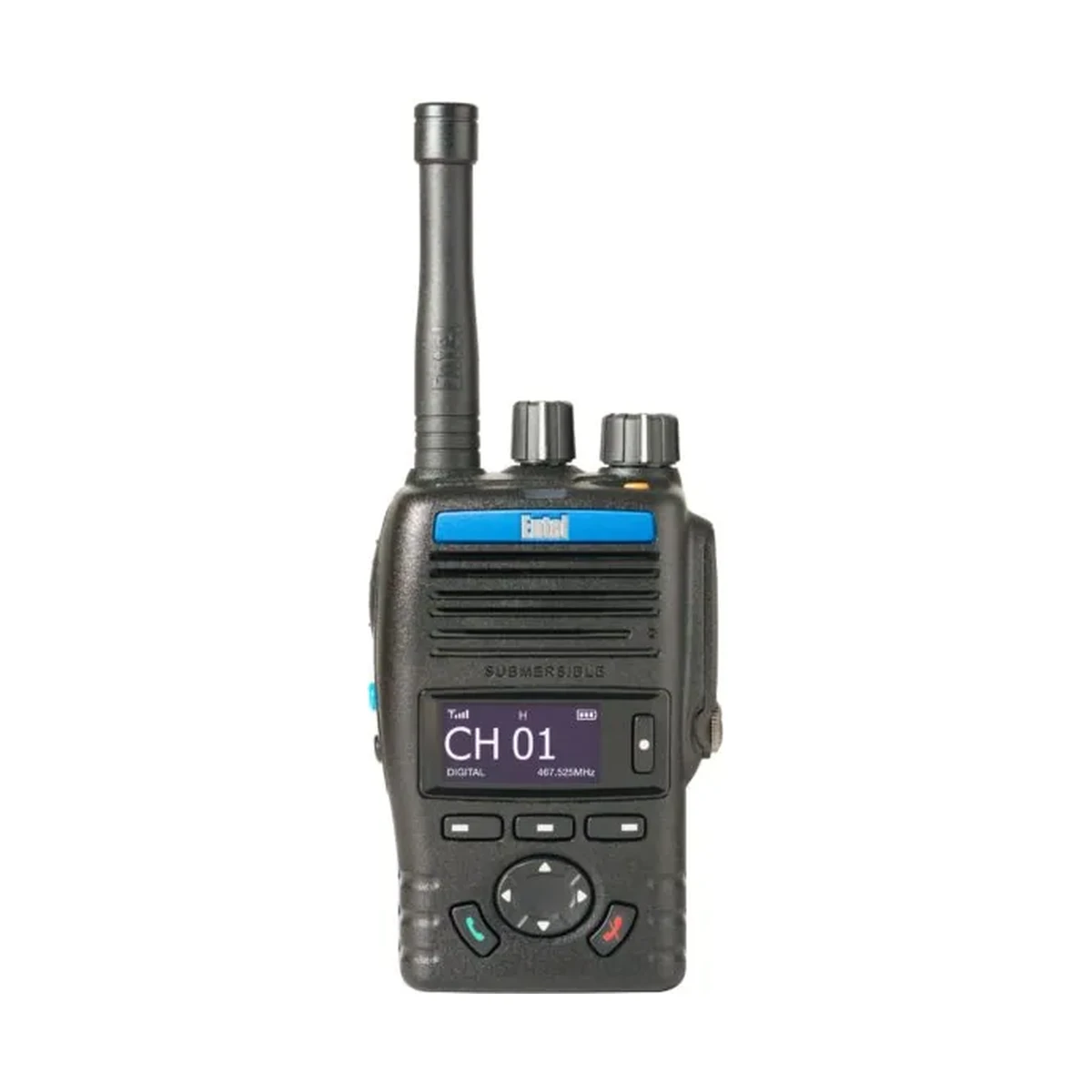
Why repair is a different question for certified equipment
On a standard commercial radio, a competent repair that restores original function is generally uncomplicated: replace a faulty component, confirm the radio works, return it to service. On an intrinsically safe certified radio, the certificate describes a specific, tested configuration, and any repair has to be considered against whether it preserves that exact certified configuration, not merely whether it restores normal operation. A repair that would be entirely routine on a standard radio can, on certified equipment, raise a real question about whether the resulting unit still meets its original certification.
What can change without anyone noticing a problem
As covered in the dedicated battery article elsewhere in this series, a substituted battery is the clearest and most common example, since the radio functions normally either way. The same principle extends to internal repair work: a component replaced with a generic equivalent rather than the exact certified part, a case seal not correctly restored during reassembly, or an internal circuit modification, however minor, can each change the tested configuration the certificate actually covers, all without producing any obvious symptom that the radio is now non-compliant.
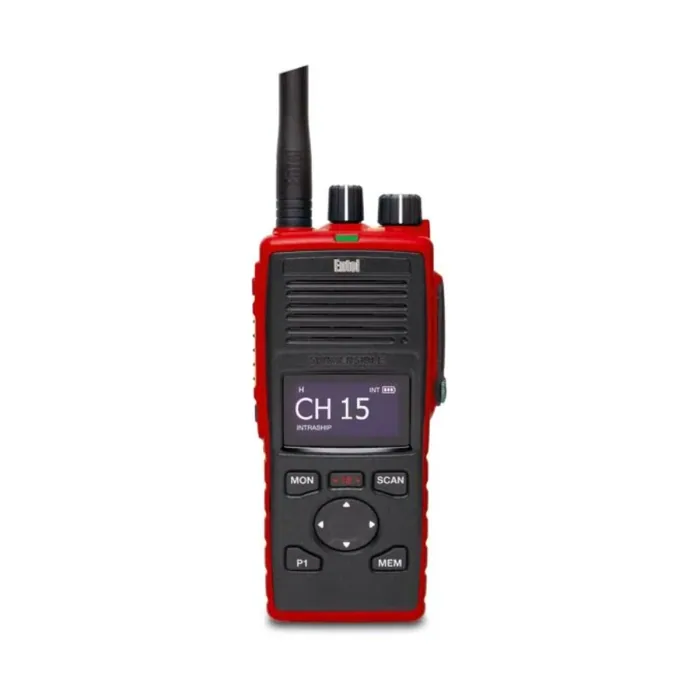
Case integrity matters specifically for intrinsic safety
Beyond the circuit itself, the physical enclosure of an intrinsically safe radio is part of what keeps it rated to its stated ingress protection level, itself relevant to sites, as covered elsewhere in this series, where water and dust exposure often accompanies the explosive-atmosphere hazard. A repair that does not correctly restore seals, gaskets or case fasteners to their original specification can degrade that ingress protection even where the underlying intrinsic safety circuit itself is untouched, which is a separate but related risk worth the same attention.
Why this points toward manufacturer-authorised service
Given that a repair's compliance impact is not something a general electronics technician can necessarily assess correctly without specific knowledge of the certification's exact requirements, intrinsically safe equipment is generally best serviced through the manufacturer's own authorised repair channel, where the specific certified parts, procedures and any required re-verification are properly understood and available, rather than through a general-purpose radio repair shop working from the outside of the certification's requirements.
What to ask before any repair proceeds
- Confirm the repair will use exactly the certified parts specified for that model, not a generic or visually equivalent substitute.
- Confirm case seals, gaskets and fasteners will be restored to the original specification, not simply reassembled to look correct.
- Ask whether the specific repair being proposed has any implication for the equipment's existing certification, and if so, what re-verification, if any, is required before the radio returns to hazardous-area service.
- Keep records of any repair performed on certified equipment alongside the original certificate, so the equipment's full service history is available if its compliance is ever questioned.
- Where a repair's compliance impact is genuinely unclear, treat the equipment as out of service for hazardous-area use until that question is resolved, rather than assuming it is fine because it appears to work.
Where ASPL fits into this
ASPL is an authorised distributor of Entel in India and repairs and services equipment across its catalogue, including through manufacturer-supported channels for certified equipment, with a nationwide network of delivery and collection points supporting warranty and repair work. For hazardous-area equipment specifically, confirm the certification status of any completed repair before returning the radio to service in a classified area.