
Two independent certifications, one common environment
Ingress protection, the IP rating system, and intrinsic safety certification address entirely different hazards: IP rates a device's sealing against solid particle ingress and water, while ATEX or IECEx certification addresses explosive atmosphere ignition risk. They are independent tests with no technical relationship to each other. What connects them in practice is the environment: the industrial sites that need hazardous-area certification, refineries, chemical plants, offshore platforms, tankers, are very often also wet, dusty or otherwise physically demanding environments, which is why the two ratings appear together so consistently across this catalogue's ATEX range.
What IP68 actually promises
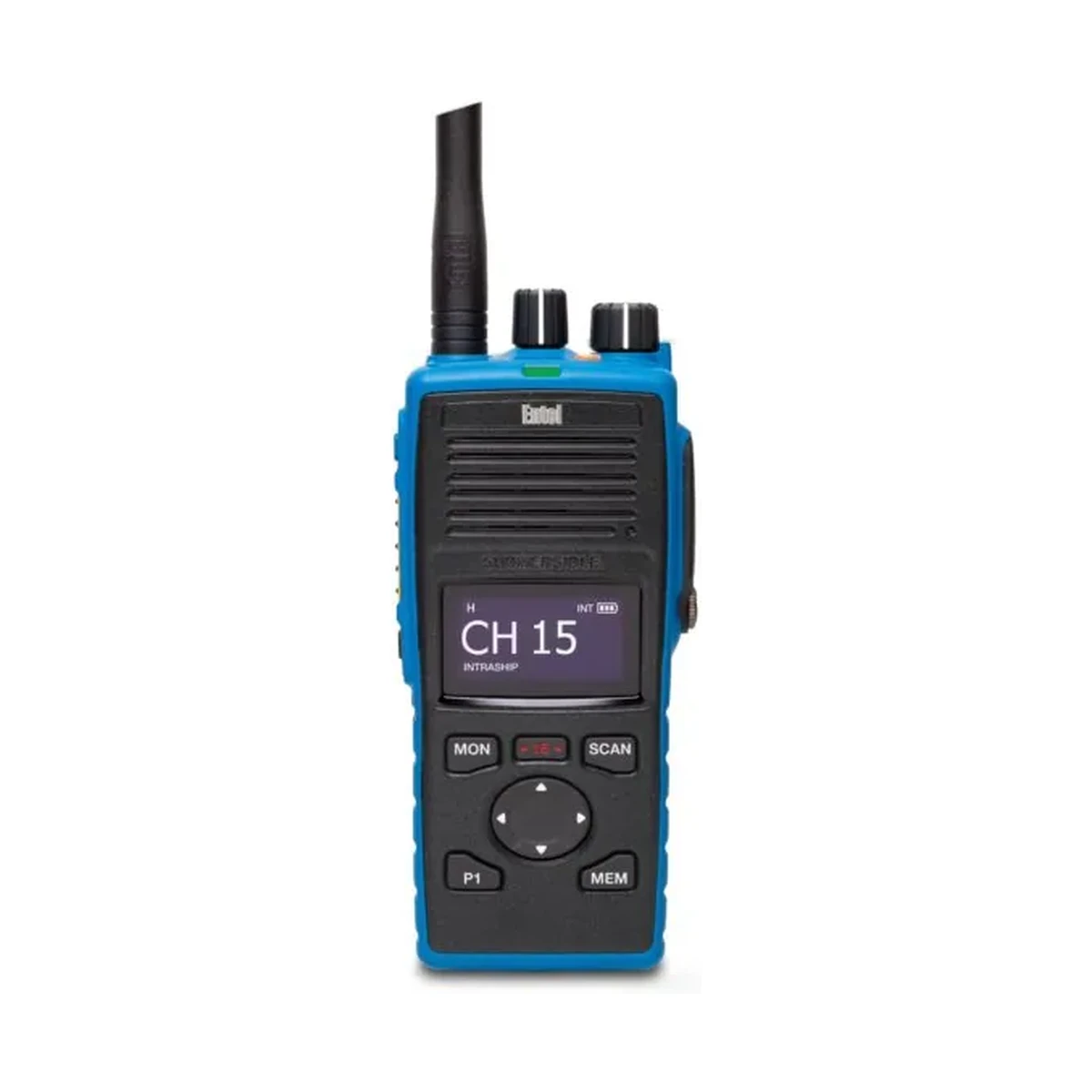
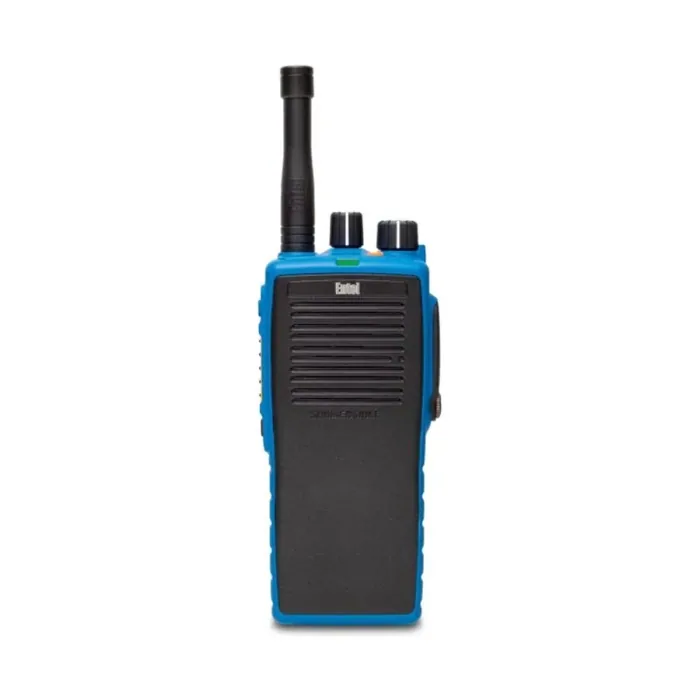
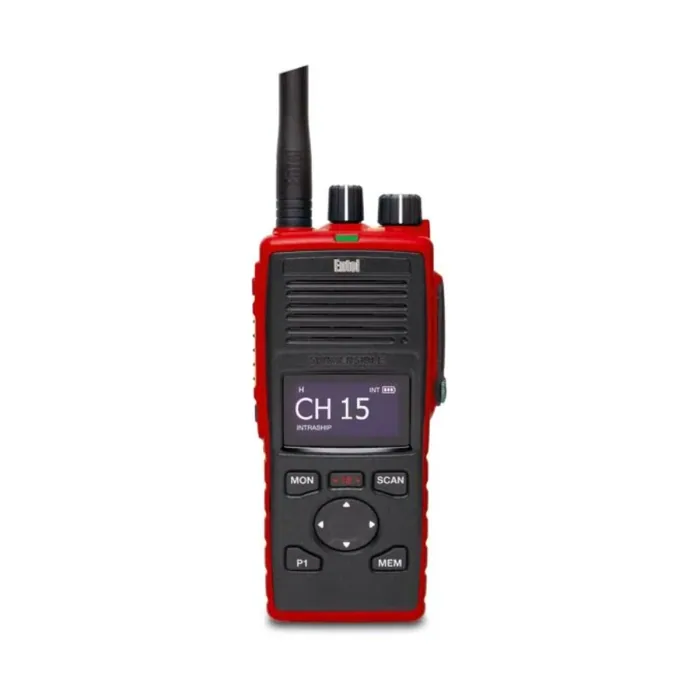
An IP rating consists of two digits: the first states protection against solid particles, with 6 being the highest rating, dust-tight with complete protection against dust ingress; the second states protection against water, with 8 indicating protection against continuous immersion beyond the 1-metre depth IP67 covers. The Entel DT982M and DT944FF, alongside most of Entel's ATEX range, are specified to IP68, tested to 2 metres depth for 4 hours, a genuinely robust rating reflecting real submersion resistance rather than simply splash protection.
Why these environments overlap so often
A refinery or chemical plant handling process fluids is routinely a wet environment through washdown procedures, weather exposure and incidental spillage, independent of the explosive-atmosphere hazard the ATEX rating addresses. A tanker or hazardous-cargo vessel is, self-evidently, a marine environment where salt water, spray and immersion risk are constant considerations. Offshore platforms combine both. The workers carrying these radios are frequently doing so in exactly the conditions IP68 protects against, which is why a manufacturer building a radio for hazardous-area certification in the first place has strong reason to engineer robust ingress protection into the same design rather than treating it as a separate, optional upgrade.
Do not assume one implies the other
Despite how frequently they appear together, IP rating and hazardous-area certification are never automatically linked, and a specific model's IP rating should always be confirmed independently rather than assumed from its ATEX or IECEx certification. A radio can, in principle, be intrinsically safe certified without a high IP rating, or vice versa, and the two figures need to be checked separately against a site's actual requirements: the hazardous-area certification against the site's explosive-atmosphere classification, and the IP rating against the site's actual exposure to water, dust and washdown conditions.
Where IP rating genuinely matters independently
A dry indoor facility with a genuine explosive-atmosphere hazard, certain enclosed chemical processing areas, for instance, may have less need for IP68's submersion resistance than a marine or offshore application does, even where the ATEX or IECEx certification requirement is identical. Conversely, a site with significant washdown or weather exposure but no explosive-atmosphere hazard needs a robust IP rating without needing hazardous-area certification at all, which is a different, non-ATEX buying decision entirely.
Practical takeaways
- Check IP rating and hazardous-area certification as two separate specifications, since neither implies the other despite frequently appearing together on the same product.
- For marine, offshore and washdown-heavy industrial environments, IP68 is a genuinely valuable, practical feature independent of whether the site also has an explosive-atmosphere classification.
- Do not assume every ATEX-rated radio automatically carries IP68, or that every IP68-rated radio is automatically hazardous-area certified; confirm both directly against the specific model.
ASPL is an authorised distributor of Entel in India, whose ATEX range is predominantly IP68 rated, and can confirm both the hazardous-area certification and the ingress protection rating for a specific model against your site's actual requirements.