
One safety principle, three certification regimes
Intrinsic safety, limiting a circuit's electrical and thermal energy below the level needed to ignite a surrounding explosive atmosphere, is the underlying protection method behind most of the hazardous-area radio range covered in this series. How that protection is independently verified and certified differs by region, and three schemes cover the equipment in this catalogue: ATEX, IECEx and UL913.
ATEX
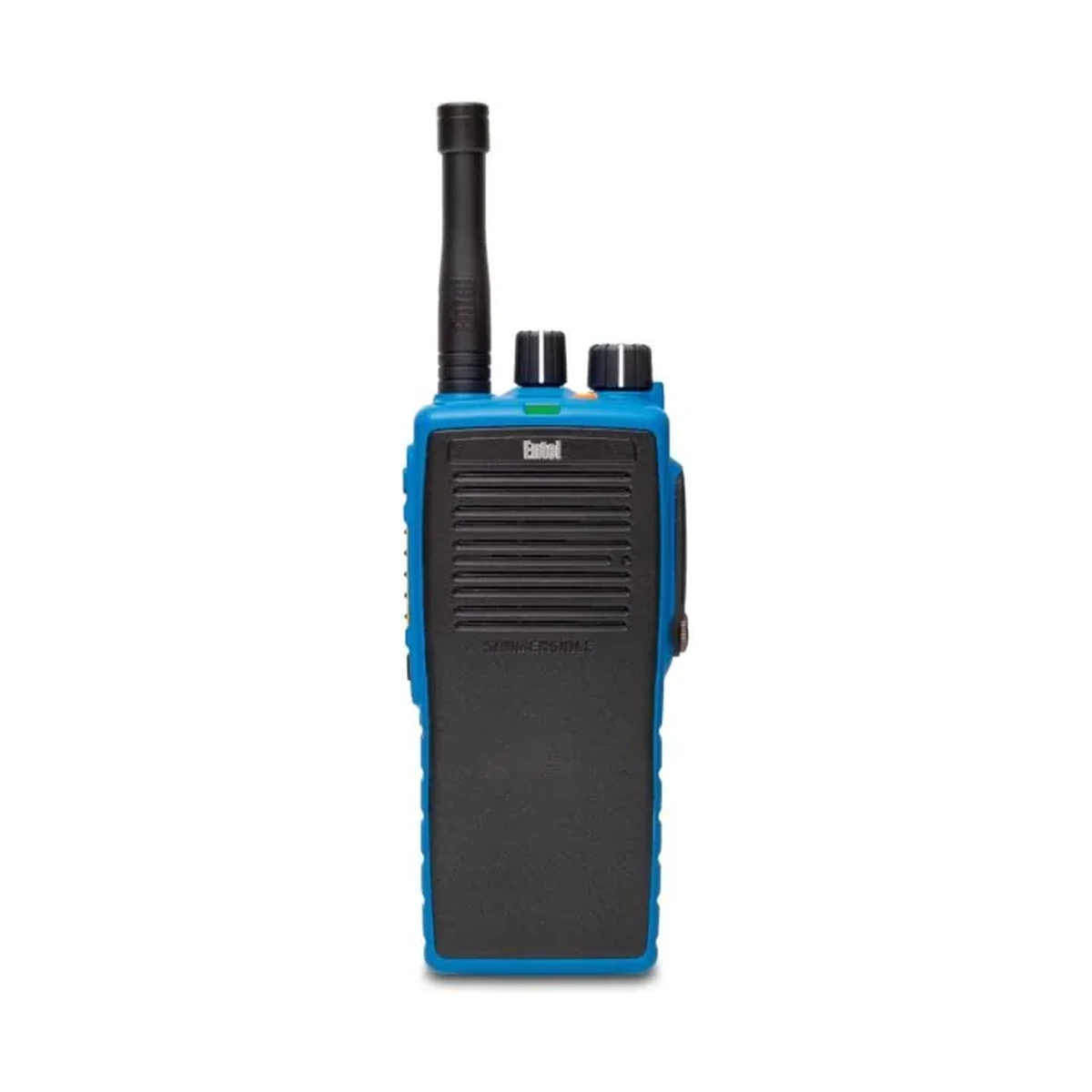
ATEX is the European Union's own directive, 2014/34/EU, covering equipment for potentially explosive atmospheres within the EU and widely recognised and specified well beyond it. Equipment such as the Entel DT982M and DT944FF is certified II 2G Ex ib IIC T4 Gb or the equivalent IIB rating, marked with the specific EU notified body and certificate reference that verified the testing.
IECEx
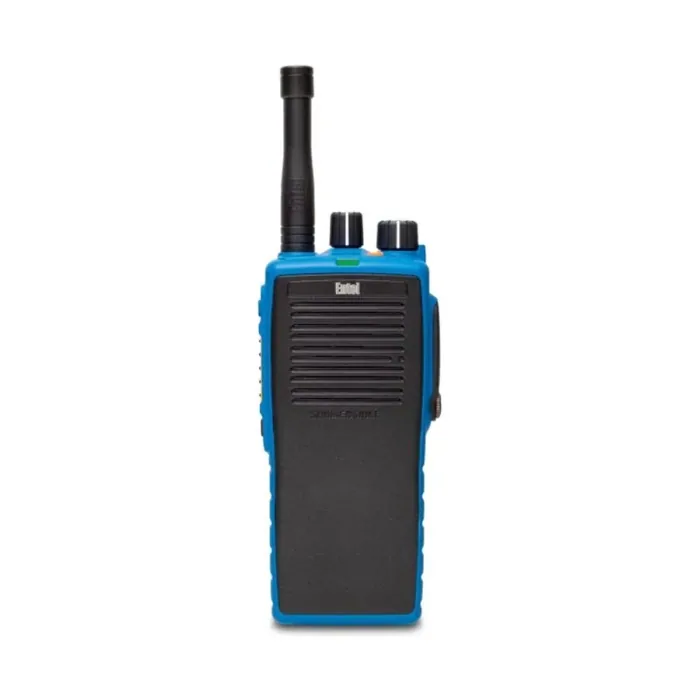
IECEx is the International Electrotechnical Commission's international certification scheme for explosive-atmosphere equipment, built on the same underlying IEC standards ATEX itself is based on, but administered as a global scheme rather than an EU directive. Equipment such as the Entel DT582M and DT544 is certified under IECEx, marked Ex ib IIB T4 Gb, using the same Ex marking format ATEX uses since both schemes share the same IEC 60079 standards as their technical basis. IECEx is widely accepted internationally, including, as covered in more depth in the dedicated PESO article elsewhere in this series, as a recognised basis for hazardous-area equipment approval in India.
UL913
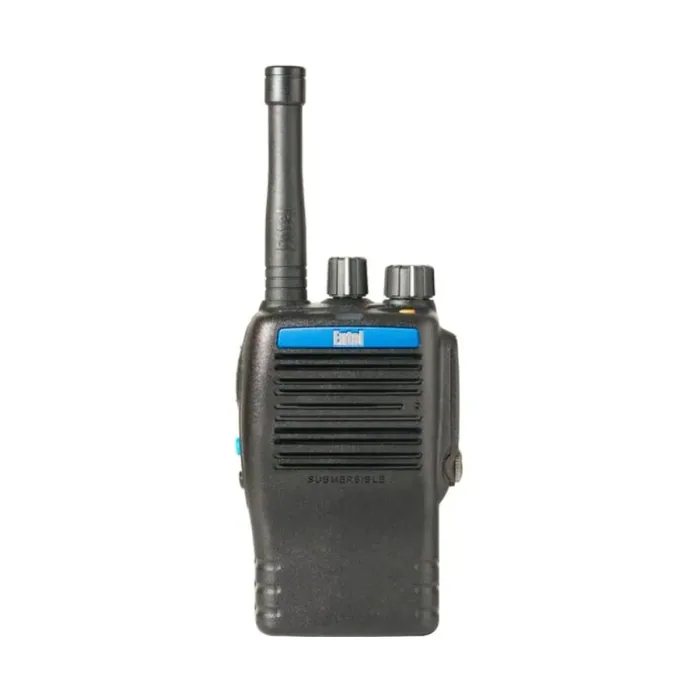
UL913 is a North American standard, administered by Underwriters Laboratories, covering intrinsically safe apparatus for use in Class I, II and III hazardous locations under the US National Electrical Code classification system, a different framework from the European Zone-based system ATEX and IECEx use. Equipment such as the Entel DX542-IS and DX544-IS, and Icom's IC-M85UL, is certified to UL913, typically referencing specific Class, Division and Group designations, for instance Class I, II, III, Division 1, Groups C-G, rather than the Zone and gas-group terminology ATEX and IECEx use.
Why the frameworks do not map one-to-one
The Zone system, used by ATEX and IECEx, classifies hazardous areas by how often and for how long a hazardous atmosphere is present. The Class and Division system, used by UL913 and the US National Electrical Code, classifies by a different combination of the type of hazardous material and how likely it is to be present. Equipment certified under one scheme is not automatically certified under the other, since the underlying classification logic and the specific tests performed differ, even where the practical protection method, intrinsic safety, is conceptually the same.
Which scheme actually applies to you
- Operating in Europe, or a country that has adopted the Zone-based classification system, commonly including India for its own hazardous area regulation: ATEX or IECEx certification is the relevant scheme to specify.
- Operating in North America, or under an operator's policy that specifically requires UL913 and Class/Division terminology: UL913-certified equipment such as the DX542-IS, DX544-IS or IC-M85UL is the correct choice.
- Uncertain which framework your site's own hazardous area documentation uses: check the classification study itself, since it will specify Zone or Division terminology explicitly, rather than guessing from the equipment's country of origin.
- Operating across multiple regions with different requirements: it may be necessary to hold equipment certified to more than one scheme rather than assuming one certification satisfies every jurisdiction.
ASPL supplies equipment certified across all three schemes, ATEX and IECEx through Entel's range and UL913 through both Entel and Icom, and can help confirm which certification your specific site's documentation actually calls for.