
Start with what the aircraft actually lacks
The right portable stack depends heavily on what is already in the panel. An aircraft with no panel-mount GPS at all needs a dedicated navigator as its foundation. An aircraft with certified panel avionics but no ADS-B In traffic display is starting from a different point and may not need a navigator at all, only a receiver feeding its existing display or an app. Work through the checklist below against your specific panel rather than assuming every layer applies.
Layer one: a dedicated navigator, if the panel needs one
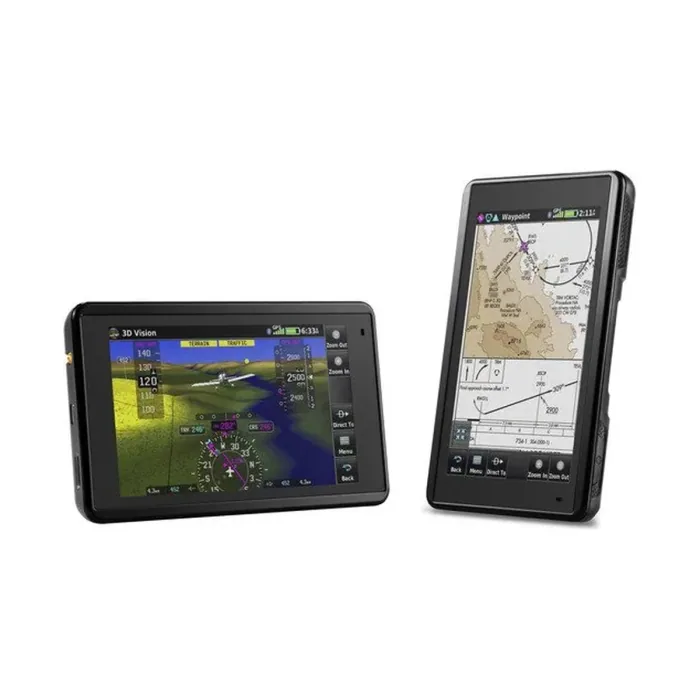
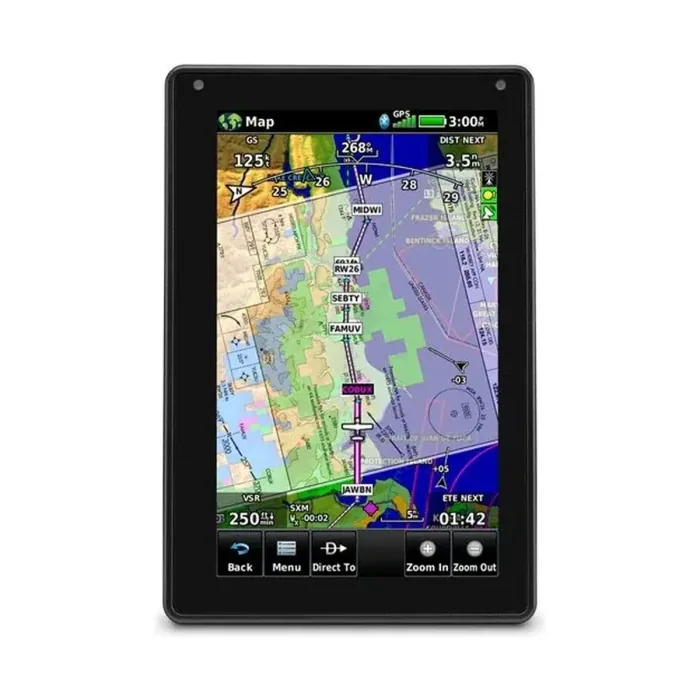
Where there is no panel-mount GPS, a purpose-built portable navigator such as the Aera 660 or Aera 760 is the sensible foundation, chosen between the two primarily on screen size preference and whether IFR route data is needed, covered in more depth in the comparison elsewhere in this series. Where a panel-mount GPS is already fitted, this layer may be skipped entirely in favour of running navigation through a tablet app instead.
Layer two: a GPS position source for a tablet-based setup
If the plan runs through an EFB app such as Garmin Pilot on a tablet rather than a dedicated portable navigator, a standalone GNSS receiver such as the GLO 2 is worth adding rather than relying on the tablet's built-in GPS. The 10 Hz update rate and SBAS-augmented accuracy it provides make a genuine, visible difference to how smoothly the moving map and course guidance track the aircraft, particularly in turns.
Layer three: ADS-B In for traffic
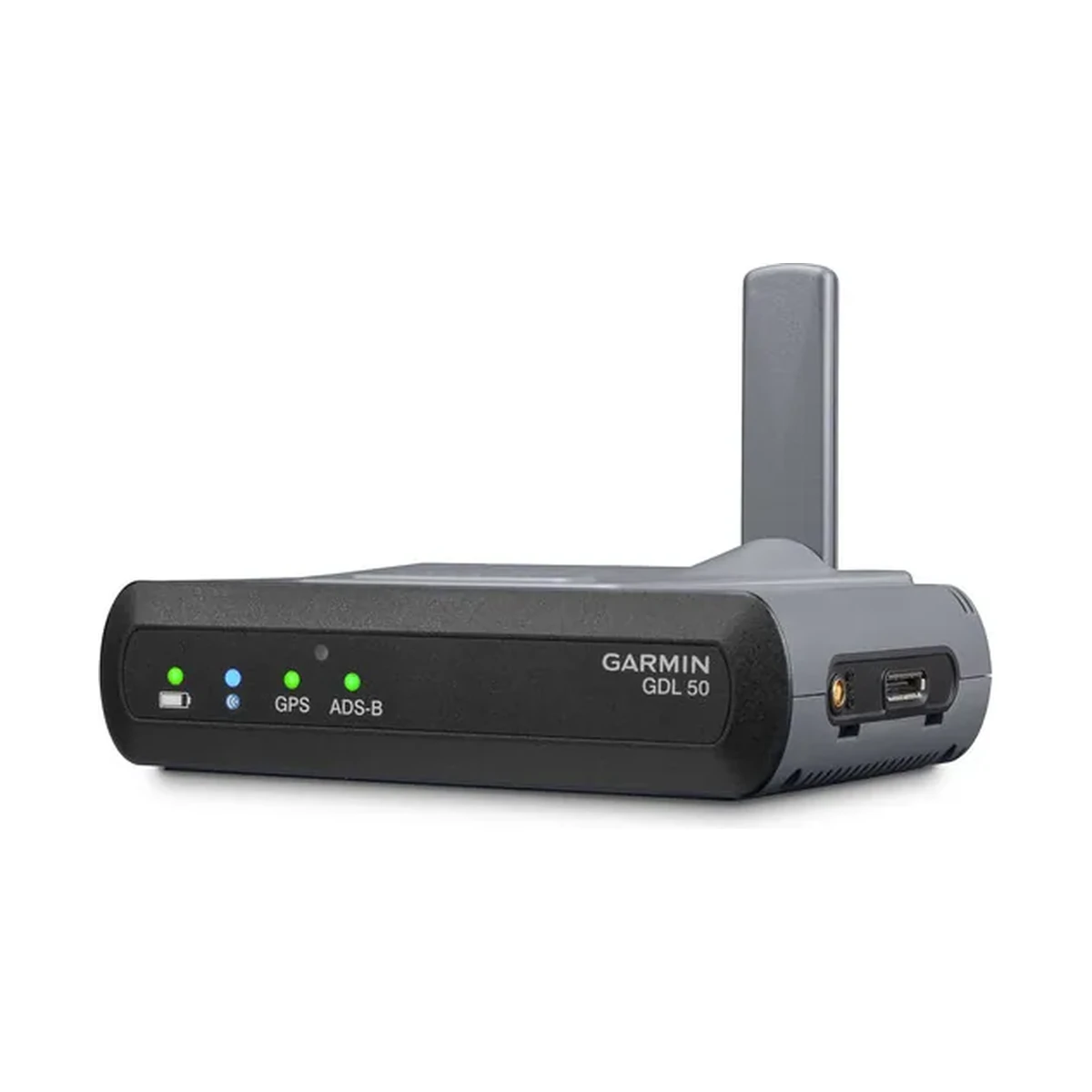
The GDL 50 adds dual-band ADS-B traffic reception, pairing wirelessly to Garmin Pilot, a Garmin portable navigator, or other compatible EFB apps. As covered elsewhere in this series, its subscription-free weather claim is specific to the US FIS-B network and does not extend to Indian airspace, so it should be selected and budgeted for on the strength of its traffic capability and its role as a backup GPS/AHRS source in India, not for weather it will not receive here.
Layer four: navigation database subscriptions
None of the above stays useful without current data behind it. Whichever navigator or app is in the stack, a subscription matching its avionics, Garmin Database Update for Garmin equipment, or the corresponding Jeppesen or Honeywell / Bendix King subscription for other avionics in a mixed panel, needs to be renewed on the 28-day AIRAC cycle from day one, not added later once the pilot notices stale data.
A sensible build order
- Confirm what the panel already provides before buying anything, since a certified panel-mount GPS may make a portable navigator redundant.
- Add the navigator or a standalone GPS receiver first, since navigation is the baseline capability everything else supplements.
- Add ADS-B In traffic once the navigation layer is settled, since it depends on a display, whether a navigator or a paired tablet, to be useful.
- Set up database subscriptions for every piece of equipment in the stack before the first flight relying on it, and put the 28-day renewal cycle on a calendar rather than trusting memory.
- Confirm what role each portable device is actually approved to play in your specific aircraft and operation, since portable equipment of this kind generally supplements certified panel avionics rather than replacing them.
Budgeting realistically
It is tempting to buy every layer at once. A more disciplined approach is to identify the single biggest gap in the current panel, close it first, and add the remaining layers as the operation's needs become clearer through actual flying. ASPL supplies the full Garmin portable GPS and ADS-B range along with the database subscriptions to keep it current, and can help sequence a build against a specific aircraft and panel.