
The range on offer
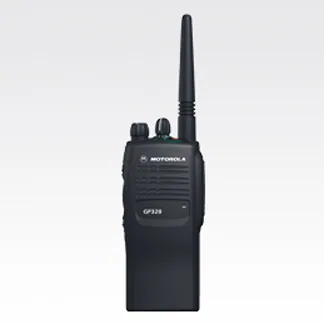
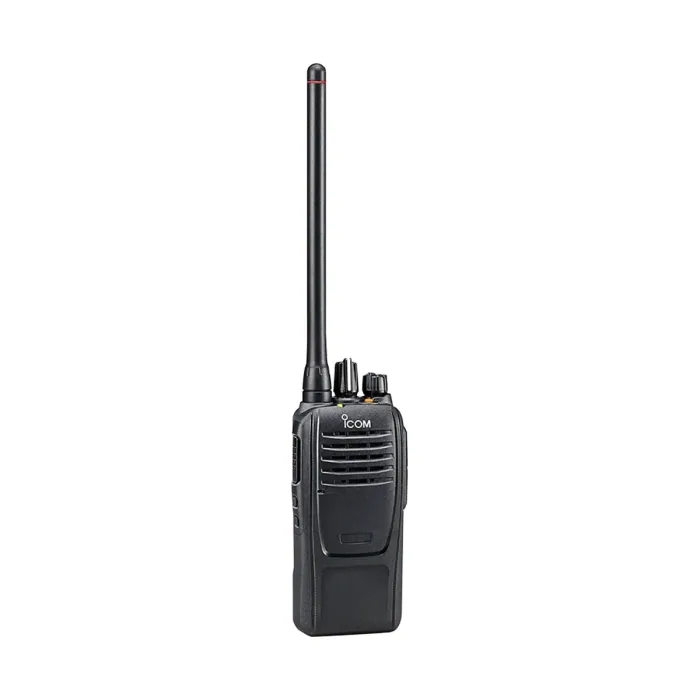
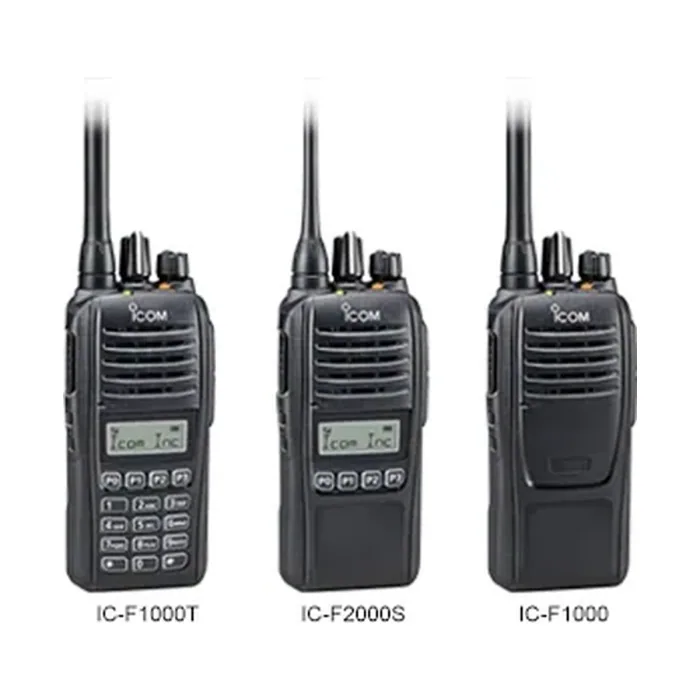
Channel capacity across the equipment covered in this series spans an enormous range. The Motorola GP-328 offers a straightforward 16 channels. Icom's IC-F1000 and IC-F2000 step up to 128 channels across 8 zones. The digital IC-F3400D/IC-F4400D reach up to 4000 channels across 128 zones as an option, and Motorola's XiR P8668i offers 1000-channel capacity. None of these numbers is inherently right or wrong; the correct figure depends entirely on how many distinct frequencies or talkgroups an operation actually needs to organise its communication around.
What a channel is actually for
Each channel typically corresponds to a distinct frequency, or on a digital trunked or talkgroup system, a distinct logical group of users, that a radio can be switched to. A small team working on a single shared frequency for all communication needs exactly one channel, functionally, regardless of how many the radio is capable of storing. Channels become genuinely useful once an operation needs to separate different teams, different functions, or different sites from each other, security on one channel, maintenance on another, front desk on a third, without every group hearing every other group's traffic.
Why more channels than you need adds complexity, not value
A radio with hundreds or thousands of programmable channels is not automatically better for an operation that only ever uses three or four of them in practice. Every additional channel is a configuration decision, a training point for staff who need to know which channel to be on for which purpose, and a potential source of confusion if the channel list grows disorganised over time. For a small hotel, warehouse or retail operation, as covered elsewhere in this series, a straightforward radio with a modest channel count, correctly organised, is generally easier to operate reliably than a high-capacity radio with hundreds of unused channel slots.
When high channel capacity genuinely earns its keep
A large multi-site operation, a fleet spanning several buildings, departments and shifts, or a system incorporating trunking, where the radio automatically selects from a pool of available channels rather than a user manually switching, genuinely benefits from high channel capacity. Digital trunked systems in particular, supported on Icom's NXDN Type-D and Motorola's DMR Tier III implementations, are specifically designed around large channel pools managed automatically rather than by the end user picking a channel manually, which is precisely where the 1000-plus channel capacity of the higher-tier digital handhelds becomes genuinely useful rather than an unused specification.
Zones: organising a large channel list
Where channel counts run into the hundreds, zone structure matters as much as the raw number. The IC-F1000/IC-F2000 organise 128 channels into 8 zones, and the IC-F3400D/IC-F4400D scale that same zone concept up to 128 zones for their larger channel counts, letting a large channel list be broken into manageable, logically grouped sets, a security zone, a maintenance zone, a visitor zone, rather than one undifferentiated list a user has to scroll through.
Working out the right number for your fleet
- Count the actual distinct communication groups your operation needs, not an aspirational maximum, and size channel capacity to that plus reasonable headroom for growth.
- A single team on one shared channel needs the simplest, lowest-channel-count radio available, and paying for a high-capacity digital handheld adds cost without adding value.
- A multi-department or multi-site operation benefits from planning a proper zone structure before programming radios, not from simply buying the highest available channel count and figuring out organisation later.
- A system with genuine trunking, or planned growth into one, is where high channel capacity, 1000-plus, actually becomes operationally meaningful rather than an unused number on a spec sheet.
ASPL supplies the full range from 16-channel entry radios through to 4000-channel digital handhelds, and can help work out the channel and zone structure your specific operation actually needs before programming a fleet.