
A refit is a different decision from a new build
Equipping a new vessel starts from a blank slate; refitting an older one starts from whatever is already installed, working or not, current standard or not, and the right approach weighs replacement cost against what genuinely needs to change versus what can be retained and interfaced into an updated system.
Start with what has to be replaced for compliance
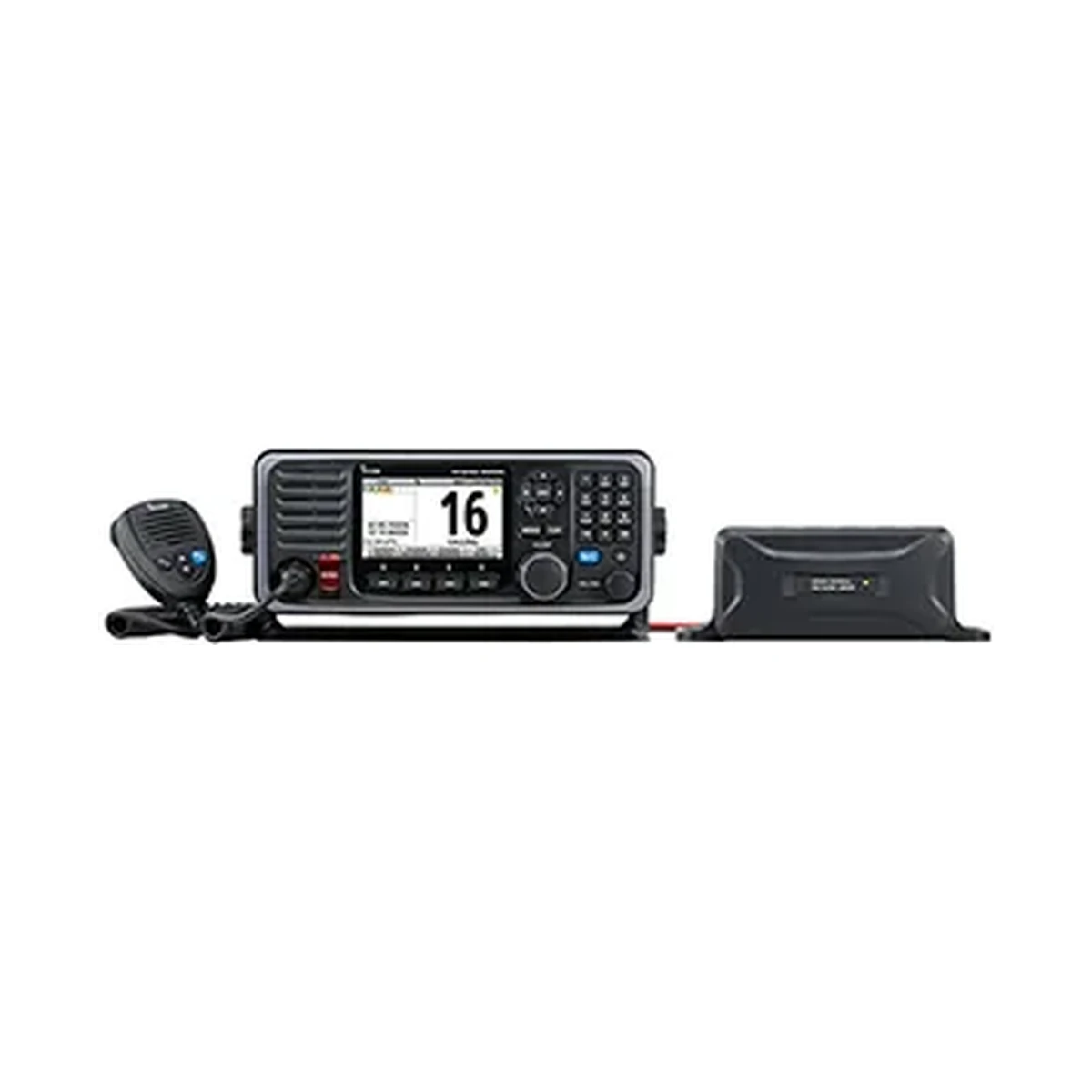
Safety-critical equipment tied to a specific carriage requirement, GMDSS radios that no longer meet current DSC class or type approval standards, AIS that predates current certification, is the category where age genuinely matters regardless of whether the old equipment still functions. If a vessel's certified sea area or SOLAS status has changed since original fit-out, or if existing equipment's type approval has lapsed or been superseded, this is the non-negotiable starting point of any refit, covered in more depth in this catalogue's regulatory content on GMDSS carriage and DSC class.
Then assess what is obsolete but not unsafe
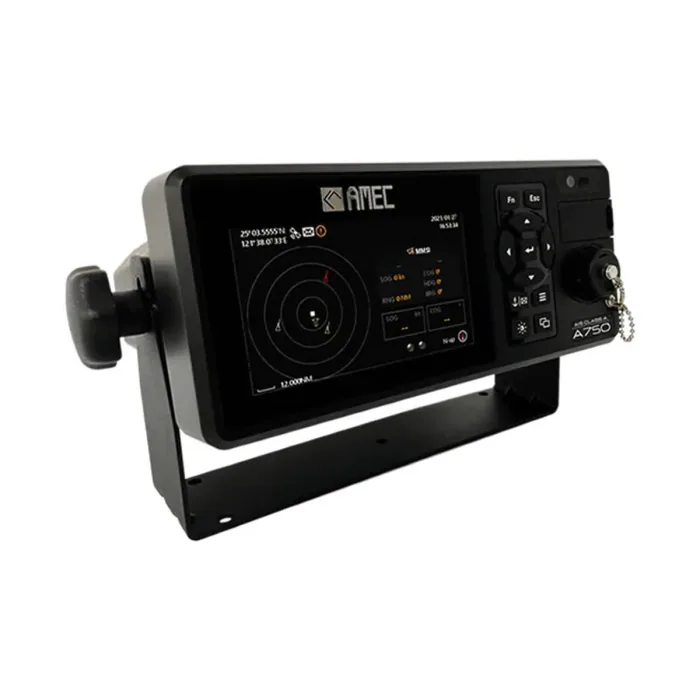
Older navigation equipment, an ageing chartplotter with no NMEA 2000 capability, a GPS receiver with no SBAS augmentation, is not necessarily a compliance problem, but it may be limiting what the rest of a refit can achieve. A modern AIS transponder or wind sensor feeding data nowhere useful because the chartplotter cannot receive it over a proper network defeats much of the value of upgrading the newer piece of equipment in isolation.
Interfacing is often the real refit cost
A surprisingly large share of refit cost and complexity sits not in the individual units themselves but in getting old and new equipment to actually talk to each other, NMEA 0183 to NMEA 2000 gateways, multiplexers merging multiple older 0183 sources, covered in more depth in this catalogue's NMEA interfacing content. Budgeting for this interfacing work explicitly, rather than assuming new equipment will simply plug into whatever wiring already exists, avoids the common refit trap of underestimating the labour cost against the equipment cost.
What can reasonably be kept
Antennas in good physical condition, properly rated cabling, and equipment still within current type approval and functioning correctly can often be retained and interfaced into an updated system rather than replaced wholesale, provided the interfacing work to connect it to newer equipment is properly planned rather than improvised. A wholesale rip-and-replace approach is rarely the most cost-effective refit strategy unless the existing installation is genuinely beyond economical repair or thoroughly obsolete across the board.
A practical refit sequence
- Audit current equipment against current compliance requirements first, since this determines what must change regardless of budget.
- Separate genuinely obsolete or non-functional equipment from equipment that is simply older but still serviceable.
- Plan the interfacing work between retained and new equipment explicitly, budgeting it as a real line item rather than an assumed given.
- Sequence the refit around what delivers the most value first, generally compliance-critical equipment, then the navigation and connectivity layers.
ASPL supplies the full range needed for a refit across marine, aviation and land mobile equipment, and handles the interfacing work between existing and new equipment that determines whether a refit actually delivers a coherent, working system rather than a newer collection of components with the same old integration problems.