
Start with the site's own classification documents
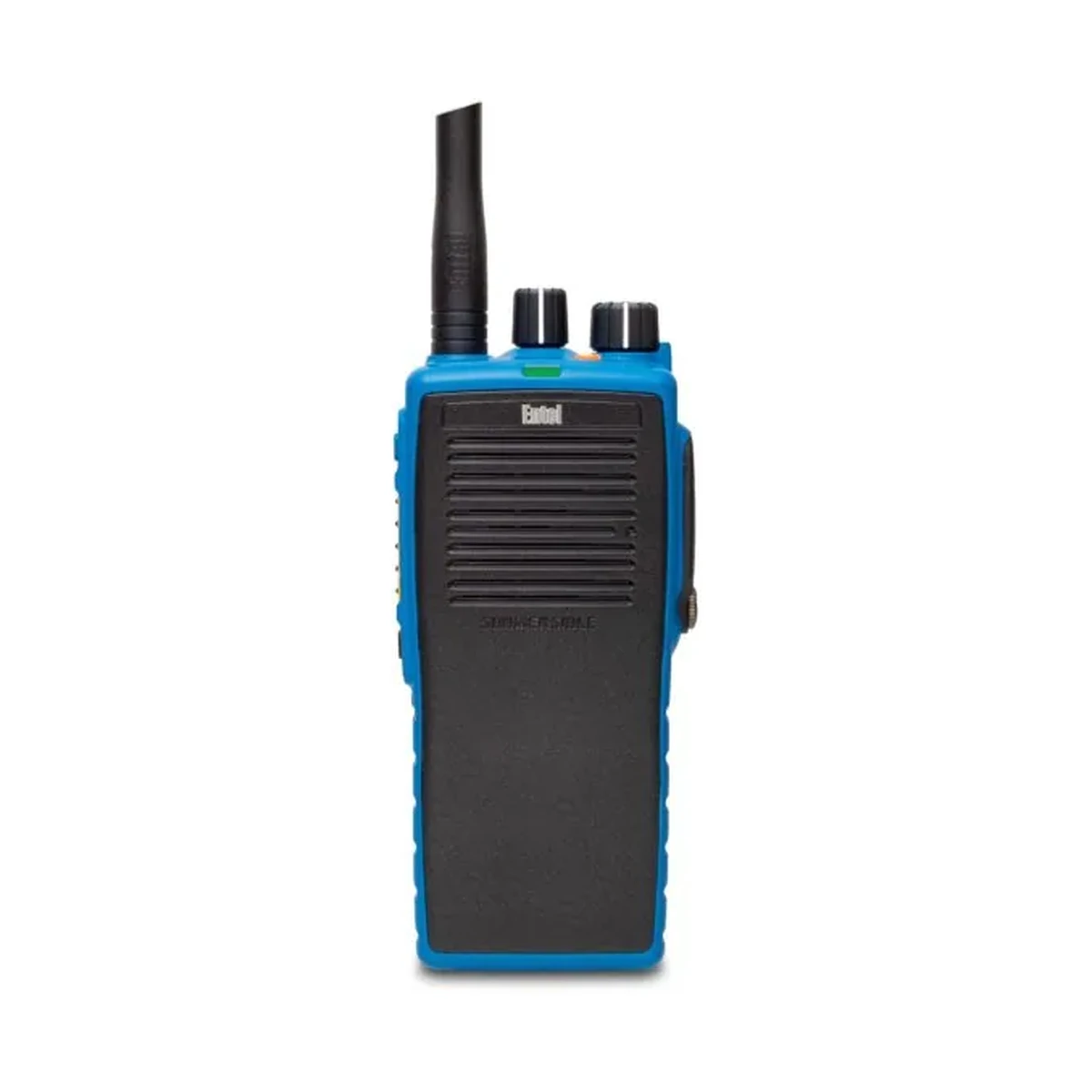
Before considering any specific radio, the starting point is your site's own hazardous area classification study, which documents, area by area, the zone (0, 1 or 2), the gas group and the required temperature class for each part of the facility. A refinery, tank farm and chemical plant can each have meaningfully different classifications even within the same site, and equipment needs to be matched to the specific area where it will actually be carried and used, not to a single blanket assumption about the whole facility.
Confirm the certification scheme your site or regulator requires
As covered in more depth elsewhere in this series, ATEX, IECEx and UL913 are three distinct certification schemes, and which one your site's own documentation, corporate policy, or the PESO approval process in India actually specifies determines which certified equipment is eligible for consideration in the first place. Confirm this before shortlisting specific radios, since it may immediately rule out an otherwise suitable model certified to a different scheme.
Match Equipment Protection Level to zone
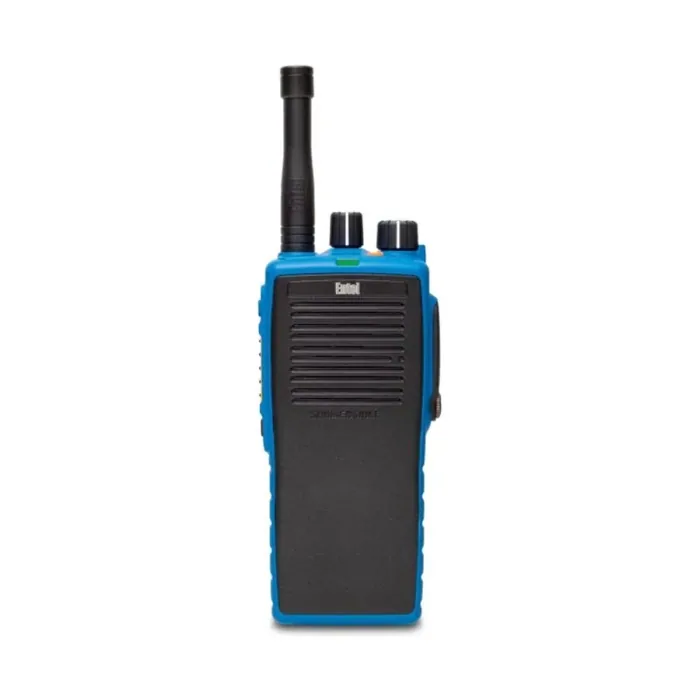
Once the certification scheme is settled, confirm the required Equipment Protection Level, Ga, Gb or Gc, against the zone classification of each area, remembering that higher-level equipment covers lower zones but not the reverse, as covered in the dedicated EPL article elsewhere in this series.
Match gas group to process chemistry
Confirm whether the site's classification requires IIA, IIB or IIC gas-group equipment, based on the specific substances present, particularly checking for hydrogen or acetylene-class gases that push the requirement to IIC. As covered in the dedicated gas-group article, IIC-rated equipment covers IIB and IIA atmospheres as well, which is why many operators standardise on IIC across a whole site even where not every area strictly demands it.
Confirm temperature class
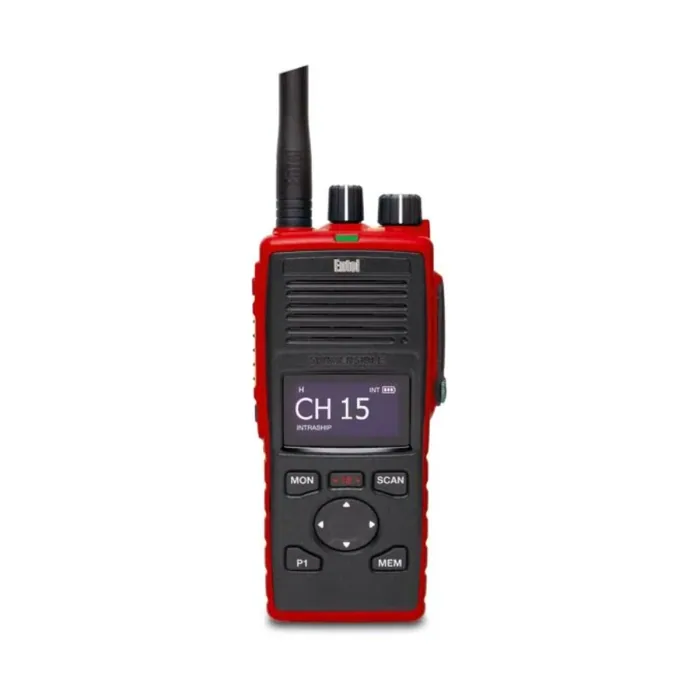
Check the required T-class against the auto-ignition temperature of the gases present, with T4 covering the great majority of common industrial cases and more stringent classes required only where lower auto-ignition-temperature substances are present, as covered in the dedicated T4 article elsewhere in this series.
Decide analog or digital based on operational need, not certification
With the certification requirements settled, the analog-versus-digital decision, covered in the dedicated article elsewhere in this series, follows the same logic that applies to any radio fleet: simple, single-purpose sites are well served by analog, while large, complex sites with multiple teams and a genuine need for addressed calling or data messaging benefit from digital's added capability.
Plan for PESO approval alongside procurement
For Indian sites, factor the PESO approval process, covered in more depth elsewhere in this series, into the procurement timeline from the outset rather than treating it as a final step after equipment has already been purchased and deployed, since it is a separate national approval process layered on top of whatever ATEX or IECEx certification the equipment already holds.
A summary specification checklist
- Obtain the documented zone, gas group and temperature class for each area the radio will be used in.
- Confirm which certification scheme, ATEX, IECEx or UL913, is required by site policy or Indian regulation.
- Match Equipment Protection Level to the zone classification.
- Match gas group to the process chemistry present, defaulting to IIC where any doubt exists.
- Match temperature class to the auto-ignition temperature of the specific substances present.
- Choose analog or digital based on the site's actual operational complexity, independent of the certification requirements above.
- Factor PESO approval timing into the overall procurement schedule.
- Order the specific certified configuration, radio, battery and antenna together, and do not substitute any component once deployed, as covered in the dedicated battery article elsewhere in this series.
ASPL is an authorised distributor of Entel in India and supplies Icom's ATEX range alongside it, and can work through this specification process directly against a specific site's classification documents.