
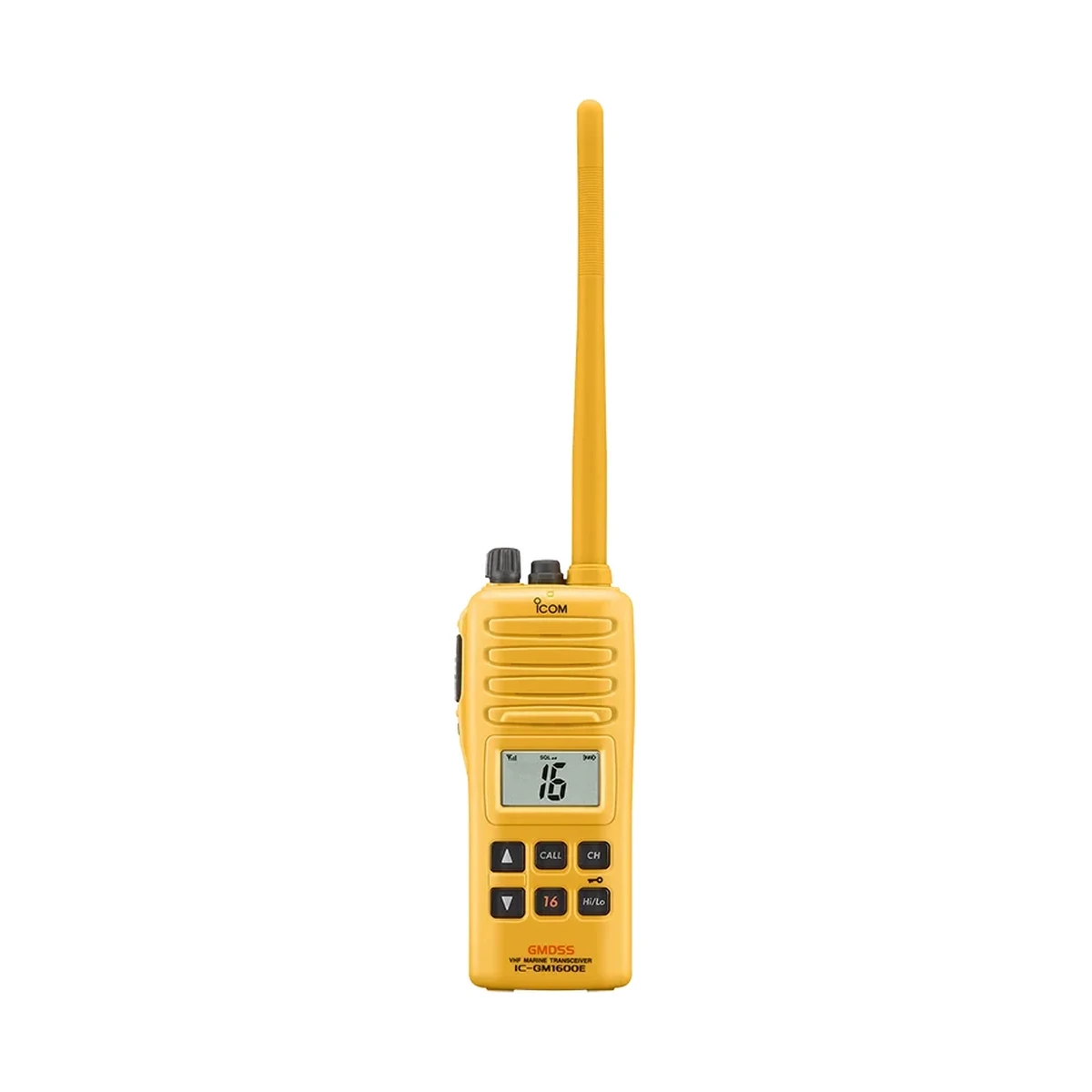
Why the specification carries so much weight
Because GeM bid-based procurement is generally awarded on an L1 basis, to the lowest bidder meeting the stated technical specification, as covered in the dedicated GeM procurement article elsewhere in this series, the specification document itself is where a buying department actually controls the outcome. A specification that is too loose invites the lowest-cost offer that technically clears the bar without necessarily meeting the department's real operational need; one that is too narrow, deliberately or accidentally, can exclude equally suitable equipment and draw challenges from bidders shut out unfairly.
Specify performance requirements, not just brand and model
Naming a specific brand and model in a specification, without a clear operational justification, is both a common practice and a common source of challenge in government procurement, since it can be read as favouring one supplier over equally capable alternatives. A stronger approach specifies the actual performance requirements the equipment needs to meet, frequency range, output power, applicable type approval or certification, environmental rating, and lets any compliant product from any manufacturer compete against those stated requirements.
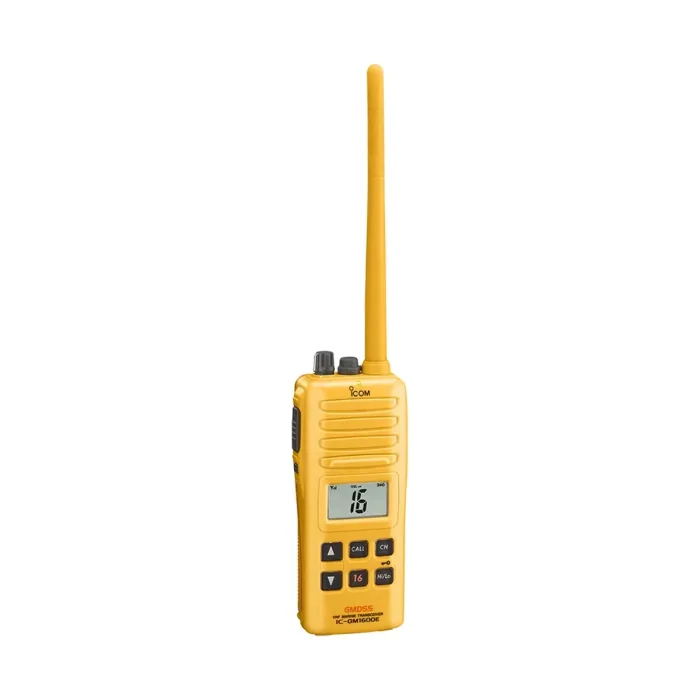
Reference the actual regulatory requirement, not a general description
Where equipment needs to meet a specific regulatory or certification standard, a Class A DSC requirement, a specific IMO resolution for survival craft radios, a particular ATEX gas group and temperature class, cite that standard explicitly and precisely rather than describing it in general terms. "GMDSS-compliant VHF radio" is a weaker, more exploitable specification than "VHF radio with Class A DSC to ITU-R M.493-14, MED 2014/90/EU Wheel Mark certified," because the latter gives bid evaluators an objective, checkable criterion rather than a judgement call.
Distinguish mandatory requirements from preferred features
A specification that treats every desirable feature as mandatory risks narrowing the field to a single supplier, inviting exactly the kind of challenge that delays procurement. Separating genuinely mandatory requirements, the ones tied to actual regulatory compliance or operational necessity, from preferred additional features that would be valued but are not essential, keeps the field appropriately open while still steering toward the outcome the department actually wants.
Include compliance documentation requirements upfront
Specify what documentation a bidder must submit alongside their technical offer, type approval certificates, relevant IMO or ITU-R compliance evidence, manufacturer authorisation where relevant, rather than discovering during evaluation that a low-price bidder cannot actually substantiate compliance. This front-loads the verification work into the bid submission stage rather than the award stage, where a compliance gap is considerably more disruptive to resolve.
A practical checklist
- State performance and certification requirements explicitly, citing the specific standard, resolution or specification figure rather than a general description.
- Avoid naming a specific brand or model unless there is a genuine, documentable operational reason no equivalent alternative exists.
- Separate mandatory requirements from preferred but non-essential features.
- Require compliance documentation to be submitted with the bid itself, not after award.
- Where the requirement is technically complex, GMDSS carriage, ATEX certification, aviation avionics, consider requesting specification assistance from a supplier with genuine domain expertise before finalising the tender document.
ASPL provides specification assistance and compliance documentation support to government departments preparing GeM tenders for navigation and communication equipment, drawing on direct experience supplying defence establishments and government agencies in India.