Skip to content
ASPL, Aerial Services Pvt. Ltd.

Catalogue

Aviation

Panel-mount and portable navigation, transponders, flight instruments and database updates.

See also Receivers.

Catalogue

Aviation products

Aviation · Showing 20 of 20 products

  • Aera 660, garmin
    GarminAviation

    Aera 660

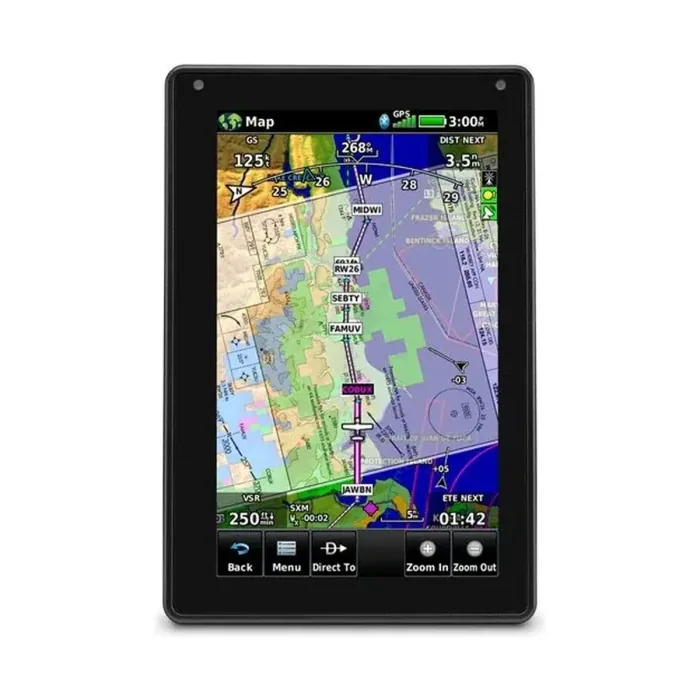
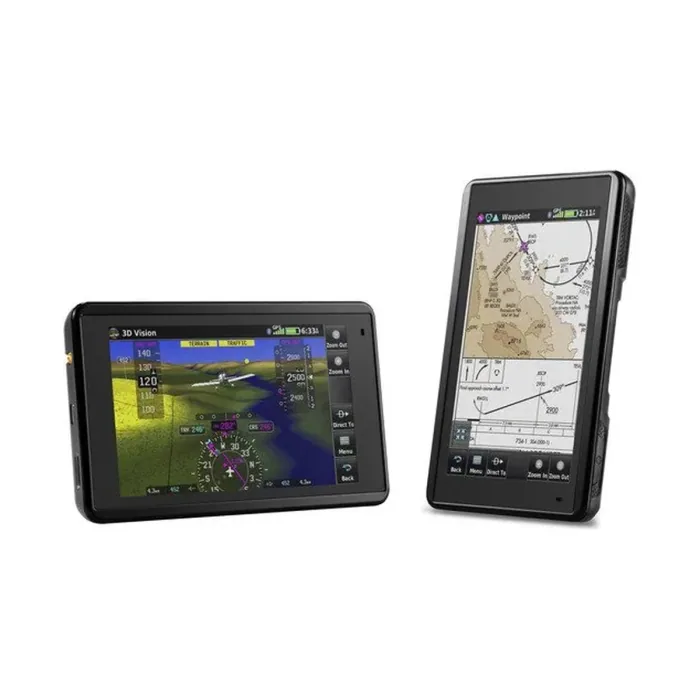
    Portable GPS Key Features Rugged, purpose-built portable navigator with built-in GPS/GLONASS receiver and 5-inch sunlight-readable screen Intuitive, simple touchscreen operation and single power button make getting around the display a cinch 3D Vision…

    1 downloadEnquire →
  • Aera®760 Portable GPS, garmin
    GarminAviation

    Aera®760 Portable GPS

    Physical & Performance Physical dimensions: 7.29”W x 4.85”H x 0.91”D (18.5 x 12.3x 2.3 cm) Display size: 7″ diag (17.8 cm) Display resolution, WxH: 480 x 800; portrait and landscape orientation Display type: touchscreen WVGA color TFT with white…

    1 downloadEnquire →
  • Bose A30 Aviation Headset, bose
    BoseAviation

    Bose A30 Aviation Headset

    Three selectable ANR modes, Bluetooth and up to 45 hours on two AA batteries. FAA TSO and EASA E/TSO-C139a certified. 14.2 oz on-head.

    Enquire →
  • David Clark H10-13.4 Headset, david-clark
    David ClarkAviation

    David Clark H10-13.4 Headset

    Passive attenuation headset with a certified 23 dB noise reduction rating and M-7A noise-cancelling electret microphone. 16.5 oz.

    1 downloadEnquire →
  • Garmin D2 Air X15, garmin
    GarminAviation

    Garmin D2 Air X15

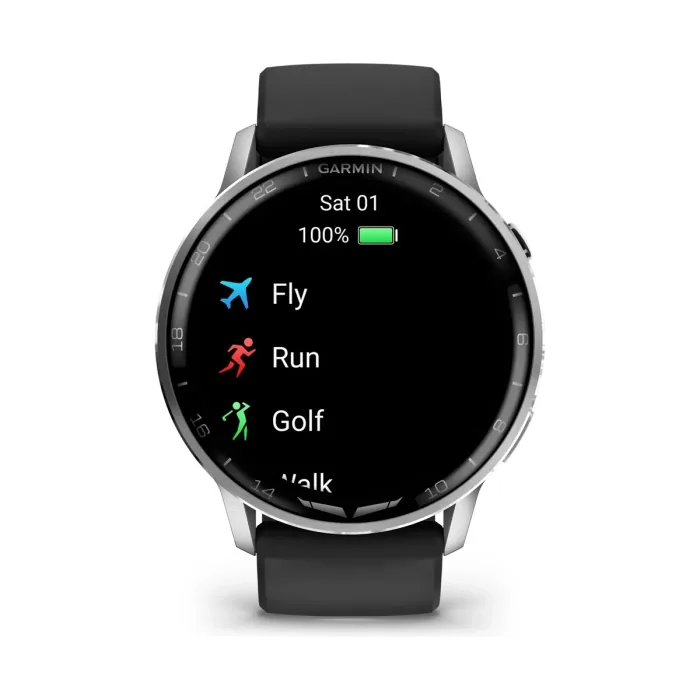
    Aviator smartwatch with AMOLED display, GPS navigation, weather and flight logging.

    1 downloadEnquire →
  • Garmin D2 Mach 2, garmin
    GarminAviation

    Garmin D2 Mach 2

    Aviator smartwatch with AMOLED display, worldwide aeronautical database and direct-to navigation.

    1 downloadEnquire →
  • Garmin Database Update, garmin
    GarminAviation

    Garmin Database Update

    Navigation database subscriptions for Garmin portable and panel avionics.

    Enquire →
  • Garmin MARQ Aviator Gen 2, garmin
    GarminAviation

    Garmin MARQ Aviator Gen 2

    Premium titanium aviator smartwatch with aviation-specific tools and a sapphire display.

    Enquire →
  • Garmin Pilot, garmin
    GarminAviation

    Garmin Pilot

    Application Key Features Global, rich, interactive mapping and weather information available for Android tablet and smartphone File, amend and close VFR flight plans globally and IFR flight plans in the U.S. Navigate with HSI, optional 3D Vision, attitude…

    Enquire →
  • GDL 50, garmin
    GarminAviation

    GDL 50

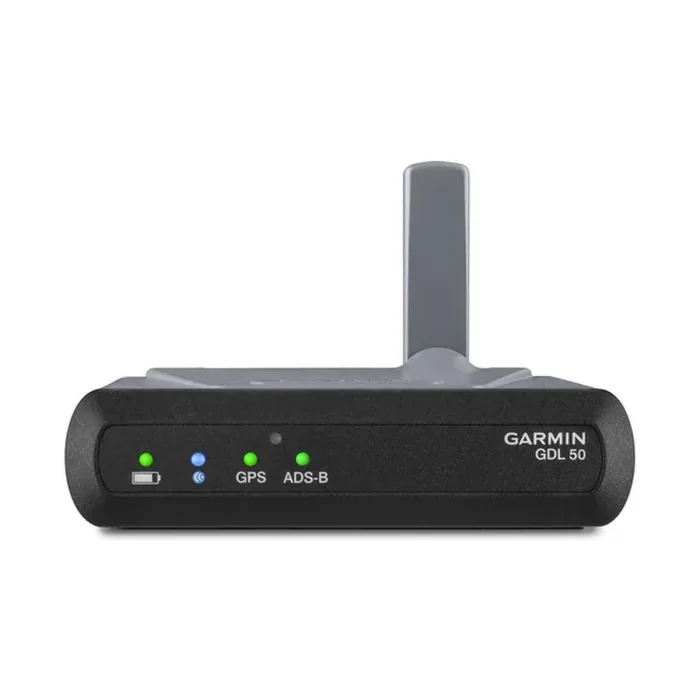
    Portable ADS-B Receiver Key Features Receive subscription-free animated U.S. datalink weather¹ via ADS-B “In” ADS-B dual-band traffic with TargetTrend ™ and TerminalTraffic ™ technology³ Wireless connectivity to Garmin Pilot™, FltPlan Go and ForeFlight apps…

    1 downloadEnquire →
  • GLO 2, garmin
    GarminAviation

    GLO 2

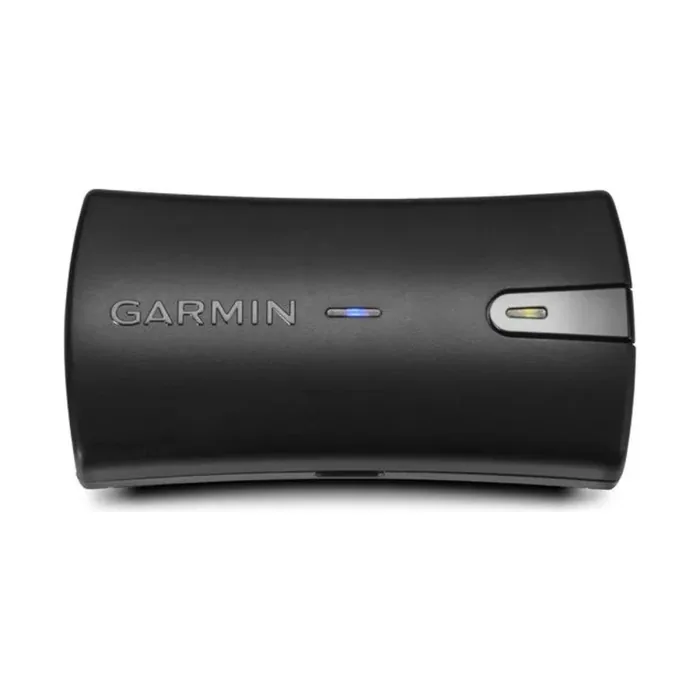
    GPS Receiver Key Features The Accuracy of GPS and GLONASS Set It up and Go 6-Month Garmin Pilot™ Subscription PDF Brochure

    1 downloadEnquire →
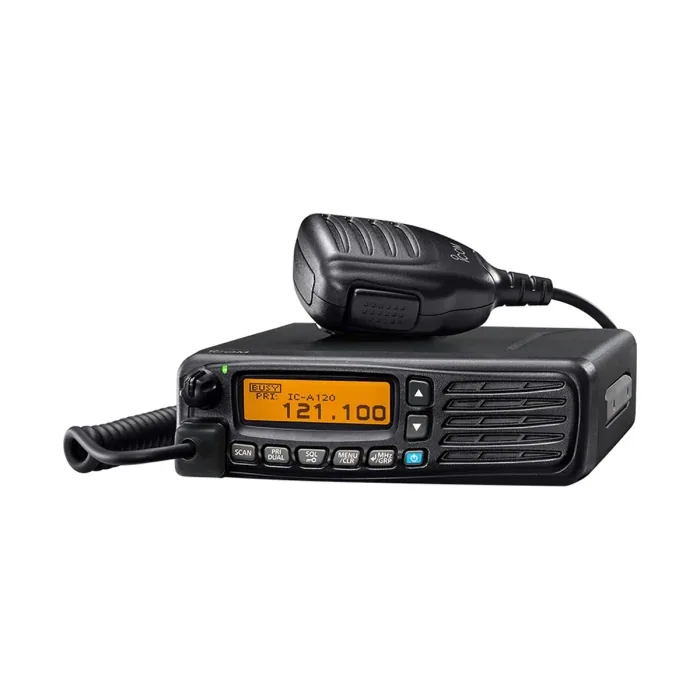
  • IC-A120, icom
    IcomAviation

    IC-A120

    Key Features VHF Air Band Transceivers High Visibility, Simple Operation Optional Bluetooth ® Headset Connectivity Active Noise Cancelling (ANC) IP54 Dust-Protection and Water Resistance Dualwatch and ON-Hook Scan Functions Side Tone Function Optional…

    1 downloadEnquire →
  • IC-A16, icom
    IcomAviation

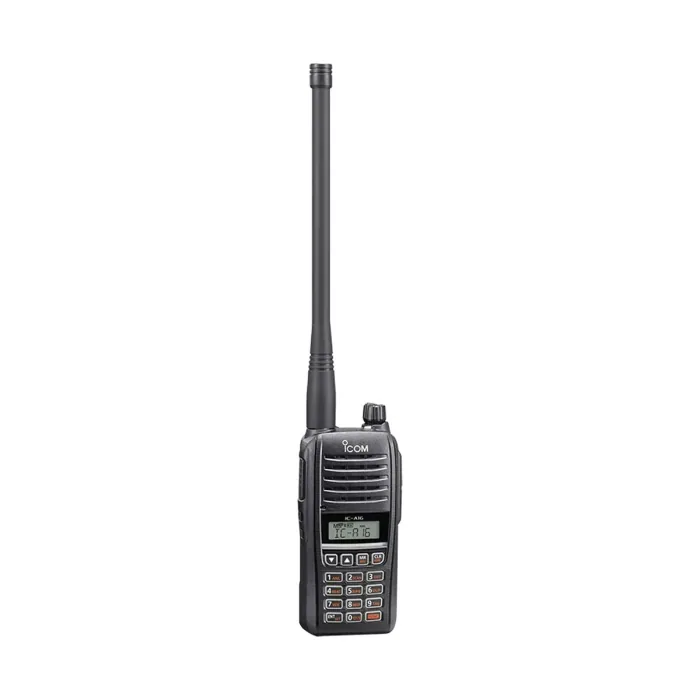
    IC-A16

    VHF Air Band Transceivers Key Features 8.33 kHz and 25 kHz channel spacing 1500 mW loud audio provides clear communications 6 W (PEP) /1.8 W (carrier) RF output power Built-in Bluetooth® for Hands-Free Operation* Large capacity battery pack provides 17 hours*…

    1 downloadEnquire →
  • IC-A220, icom
    IcomAviation

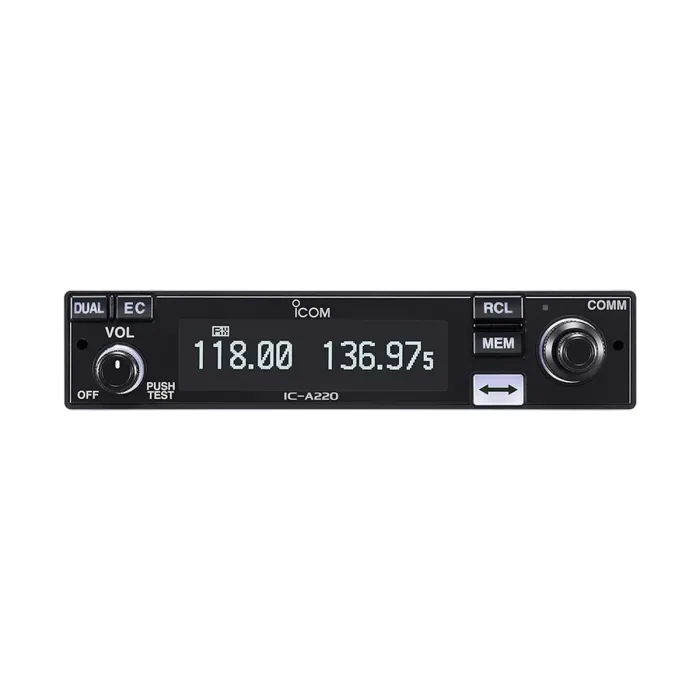
    IC-A220

    Panel-mount VHF air band transceiver with a bright OLED display.

    Enquire →
  • IC-A25N / IC- A25C, icom
    IcomAviation

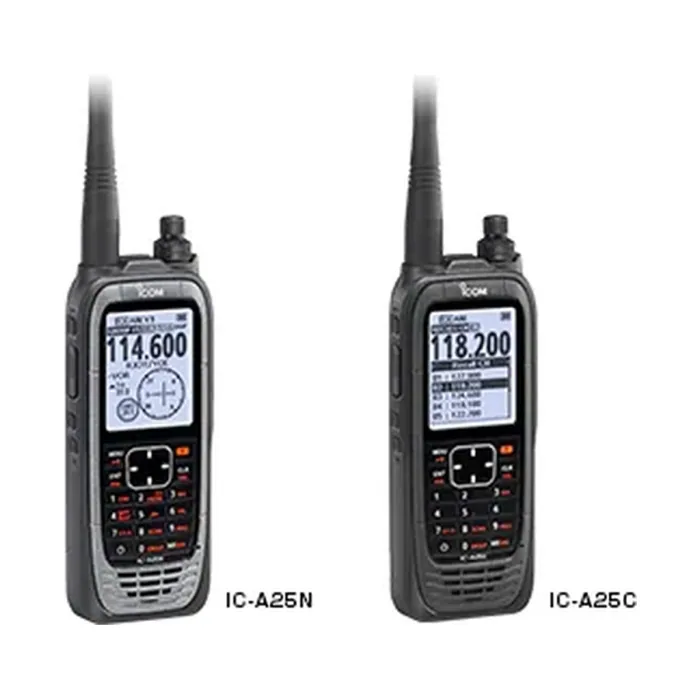
    IC-A25N / IC- A25C

    Key Features VHF Air Band Transceivers Built-in GPS with Simplified Waypoint NAV (for IC-A25N) Flight Plans with Android™ /iOS™ App (for IC-A25N) VOR Navigation Functions (for IC-A25N) Near Station Search Function (for IC-A25N) Class-Leading High Power RF…

    1 downloadEnquire →
  • Jeppesen Database Update, jeppesen
    JeppesenAviation

    Jeppesen Database Update

    Jeppesen navigation database subscriptions for compatible avionics.

    Enquire →
  • Lightspeed Zulu 3 ANR Headset, lightspeed
    Lightspeed AviationAviation

    Lightspeed Zulu 3 ANR Headset

    Active noise reduction headset with full Bluetooth integration, Kevlar-core cables and a low-profile stainless-steel headband. 14.6 oz.

    Enquire →
  • Lightspeed Zulu 4 ANR Headset, lightspeed
    Lightspeed AviationAviation

    Lightspeed Zulu 4 ANR Headset

    An active noise reduction aviation headset with magnesium ear cups, dual Bluetooth, and FrameFit ear seals, weighing 14.6 ounces.

    Enquire →
About Aviation

ASPL supplies and services aviation navigation and communication equipment across India: panel-mount and portable GPS, ADS-B transponders, flight instruments, VHF radios and navigation database subscriptions. As an authorised distributor we handle certified installation, interfacing and ongoing support for operators, flight schools and MRO facilities.

This category covers the equipment a cockpit runs on day to day: GPS-based navigation avionics, VHF communication radios, current navigation charts and databases, and the headsets pilots wear for hours at a time. Some of it is portable and carried from aircraft to aircraft, some is panel-mounted and wired into the aircraft's electrical and antenna systems, and the right choice depends heavily on whether the aircraft is flown under visual or instrument rules and what the equipment is meant to back up rather than replace.

Navigation avionics use GNSS satellite signals to compute the aircraft's position, then combine that with a stored database of airports, airways and procedures to show the pilot where they are relative to a flight plan. Communication radios operate on the civil aviation VHF band (118 to 137 MHz) using amplitude modulation and 8.33 kHz or 25 kHz channel spacing, letting pilots talk to air traffic control and other aircraft on a shared, line-of-sight frequency. Aviation headsets sit outside this electronic chain but solve a related problem: cockpit and engine noise routinely exceeds 100 dB, so headsets use dense passive sound-isolating ear cups, and often active noise reduction (ANR) circuitry that generates an inverted sound wave to cancel low-frequency engine drone, to protect hearing and keep radio calls intelligible.

How to choose one
Portable or panel-mount
A portable GPS or handheld VHF radio runs on its own battery, needs no aircraft wiring, and can move between aircraft, which makes it a natural backup or a primary for light sport and recreational flying. Panel-mount avionics are wired into the aircraft's power, antenna and (for GPS) often the autopilot, giving better antenna performance and integration but requiring a certified installation before they can be used as primary equipment.
VFR-only or IFR-approved
Equipment intended for instrument flight rules navigation or approaches must carry the relevant technical standard order (TSO) certification and be installed under an approved modification. A portable GPS bought for situational awareness on a VFR flight is not legally interchangeable with a certified IFR navigator, even if the two units show similar information on screen.
Passive or active noise reduction in a headset
Passive headsets rely purely on cup design and seal to block noise, are lighter and need no battery, and suit shorter flights or noisier open-cockpit aircraft where ANR gives less benefit. ANR headsets add powered noise cancellation that meaningfully cuts fatigue on long flights in enclosed cockpits, at the cost of battery dependency and higher weight and price.
Database coverage and update cycle
Navigation databases from providers such as Jeppesen or the airframe/avionics manufacturer are sold by region and refreshed on a fixed schedule, so the real question is whether the subscription covers the airspace actually flown and whether the update workflow (SD card, app, direct download) fits the aircraft's equipment and how often it flies.
Standards that apply
DGCA airworthiness approval for installed avionics
Under DGCA's Civil Aviation Requirements governing airworthiness, any avionics equipment wired into an aircraft, rather than carried loose in the cockpit, must be installed and approved through the appropriate certification route (an approved modification or supplemental type certificate) by a DGCA-approved maintenance organisation, and recorded in the aircraft's technical log.
ADS-B Out equipage mandate
Aircraft flying at or above Flight Level 290 on notified PBN routes within Indian continental airspace must carry serviceable ADS-B Out equipment transmitting on the 1090 MHz Extended Squitter (1090ES) data link, under AAI's AIP Supplement 148/2018, effective from 1 January 2019, read with Civil Aviation Requirement Section 8, Series 8, Part V for Indian operators' airworthiness and operational approval. Aircraft flying below FL290, or outside the notified routes, are not currently subject to the mandate, though carriage is increasingly common practice regardless. Confirm current route and level coverage against the published AIP Supplement rather than assuming a fixed list, since notified routes are amended from time to time.
RTR(A) licence for radio operation
Operating aeronautical radio equipment in India, including handheld VHF transceivers, legally requires the operator to hold a Restricted Radiotelephone Operator's Certificate (Aeronautical), commonly called RTR(A), issued by the Wireless Planning and Coordination (WPC) Wing of the Department of Telecommunications, in addition to any pilot licence held.
Installation notes

For panel-mount GPS units and radios, the antenna location and cable run matter as much as the unit itself: a GPS antenna needs a clear view of the sky and a radio antenna needs to be clear of airframe structures that can shadow the signal, and any installation should go through a DGCA-approved maintenance organisation so it is properly certified and logged rather than treated as a plug-in accessory. Portable GPS and handheld radios need no such approval but should be mounted or stowed securely, with a clear line of sight for the GPS antenna if it is external, and should be carried as backups to certified equipment on instrument flights rather than relied on as the primary source. Headsets need no installation at all, but ANR models are only as good as their seal and battery: check the ear seals for wear each season and carry spare batteries or keep the aircraft power adapter on hand, since ANR performance drops sharply once battery voltage sags.

Frequently asked questions
Do I need DGCA approval to fit a GPS or radio into my aircraft's panel?

Yes. Any avionics equipment permanently wired into the aircraft counts as a modification and must be installed and certified by a DGCA-approved maintenance organisation, then recorded in the aircraft's technical records. A portable unit that simply sits in the cockpit and runs on its own battery does not need this approval, but it also cannot be logged as the aircraft's primary navigation or communication equipment for instrument flight.

Can I legally use a handheld aviation VHF radio in India without any licence?

No. Operating aeronautical radio equipment, portable or panel-mounted, requires the operator to hold an RTR(A), the Restricted Radiotelephone Operator's Certificate (Aeronautical) issued by the WPC Wing of the Department of Telecommunications, separately from any pilot licence.

How often does a navigation database actually need updating, and does it matter for VFR flying?

Aeronautical data worldwide is published on a 28-day AIRAC cycle, so any database used for instrument navigation should be updated every cycle to stay current with changed frequencies, waypoints, procedures and restricted areas. For purely visual flying the currency requirement is less strict, but an outdated database can still show a since-changed frequency or a decommissioned waypoint, so keeping it current is good practice even when it is not mandatory.

Chat with us on WhatsApp

This site uses only the cookies required for it to run, nothing for tracking or advertising. See our privacy policy.