
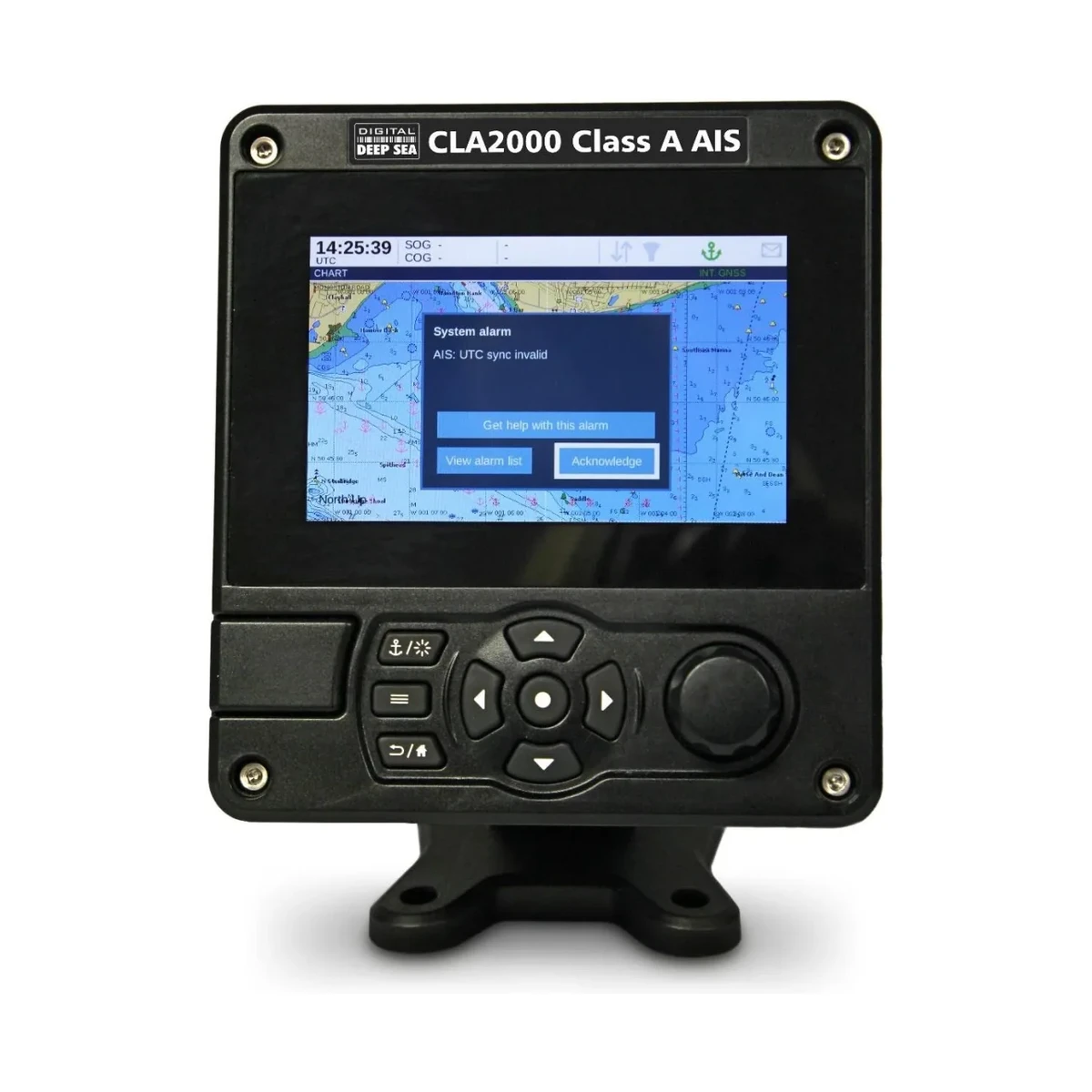
ASPL's AIS range spans two established manufacturers, AMEC and Digital Yacht, both offering type-approved Class A and Class B transponders and receivers, covered extensively across this catalogue's AIS content. Choosing between the two brands, rather than between specific models already compared elsewhere, comes down to a few genuine structural differences.
Class A: broadly comparable
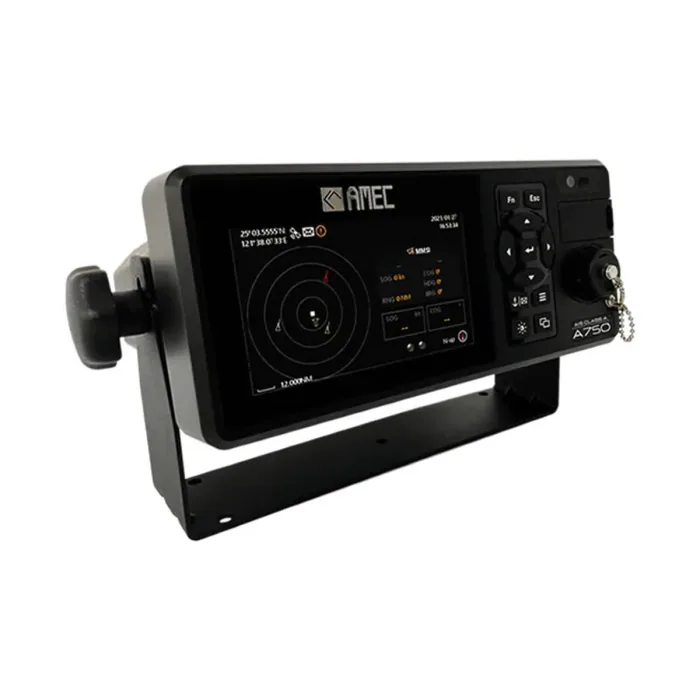
The AMEC A750 and Digital Yacht CLA2000 are both current-generation Class A transponders certified for SOLAS carriage, and the choice between them at this tier is closer than at the Class B tier, resting on display and interface preferences and, for a fleet, whichever brand a fleet is already standardised on for other AIS equipment.
Class B: where AMEC's range is broader
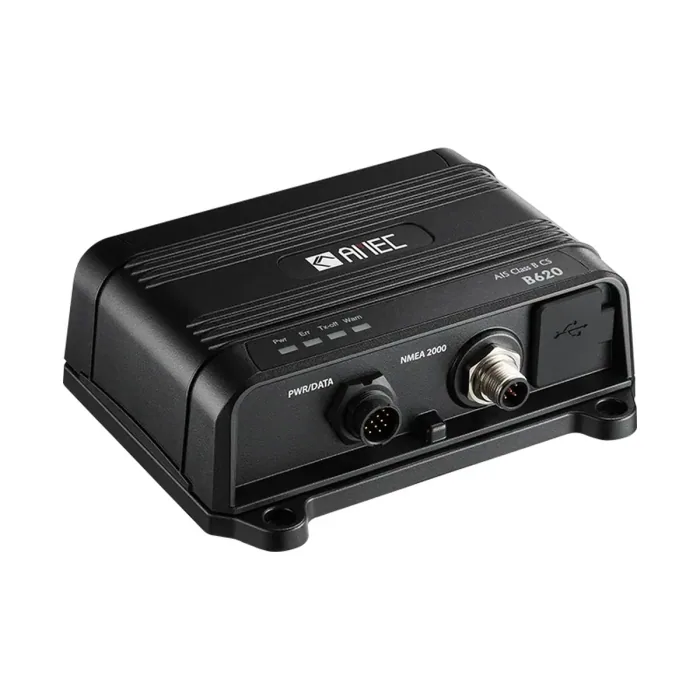
AMEC offers a wider spread of Class B options across CS and SO variants, the AMEC B620 and B620S at the CSTDMA tier, and the AMEC WideLink B650 and B650S at the SOTDMA tier, giving a buyer more granular choice between antenna-sharing and dedicated-antenna configurations within one brand. Digital Yacht's Class B range, including the AIT2500, AIT6000 and the self-contained, battery-powered AIB1000, covers similar ground with a particular strength in the AIB1000's genuinely standalone installation, requiring no connection to the boat's electrical system at all.
Receivers: both ranges are solid, slightly different emphasis
AMEC's receiver range, the CYPHO-150 and R150GE WideLink, spans a straightforward dual-channel receiver through to a fixed-monitoring unit with Ethernet output for shore-station or bridge use. Digital Yacht's AIS100 and AIS100 Pro emphasise straightforward USB and NMEA connectivity for a PC or plotter-based setup. Neither range is clearly superior; the choice tracks which output interface, USB, NMEA, Ethernet, actually matches the display equipment already on board.
NMEA and connectivity ecosystem
Digital Yacht's broader product catalogue includes NMEA gateways, multiplexers and wireless bridges, the iKonvert, WLN30 Smart and related products covered in this catalogue's marine navigation content, which gives a buyer already standardising on Digital Yacht for AIS a more integrated path to networking that AIS data into a wider onboard system. A buyer building a vessel's electronics primarily around AMEC equipment does not lose networking capability, but the interfacing hardware is more likely to come from a third party such as Digital Yacht's own gateway range regardless of which brand supplies the AIS unit itself.
Antenna and splitter options
Both brands offer integrated-splitter variants that share an existing VHF antenna, the AMEC B620S and WideLink B650S, and Digital Yacht's AIT6000, so this is not a differentiator between the brands so much as a decision to make within whichever brand is chosen, covered in more depth in the dedicated antenna installation article elsewhere in this series.
Choosing between them
- Building a vessel's AIS and NMEA networking together as one coherent system: Digital Yacht's broader connectivity ecosystem is a genuine practical advantage.
- Wanting the widest choice of Class B configurations within one brand, including a fully standalone, battery-powered option: AMEC's range, plus Digital Yacht's AIB1000 specifically for standalone use, both merit a look.
- Already running one brand's equipment elsewhere on the vessel: standardising reduces the number of configuration tools, ProAIS2 or AISConfig, a crew needs to be familiar with.
- No existing preference: the decision reasonably comes down to specific model comparisons, covered in depth elsewhere in this series, more than a brand-level judgement.
ASPL supplies both AMEC and Digital Yacht in India and can help match either brand's range to a specific vessel's existing equipment and networking plans.