
A small commercial fishing vessel's navigation and communication fit-out is rarely bought all at once, and it does not need to be, but the pieces genuinely depend on each other in ways that make sequence matter. This checklist works through what a coherent fit-out looks like, referencing the more detailed guides elsewhere on this site for each individual decision.
Start with GMDSS VHF, not AIS
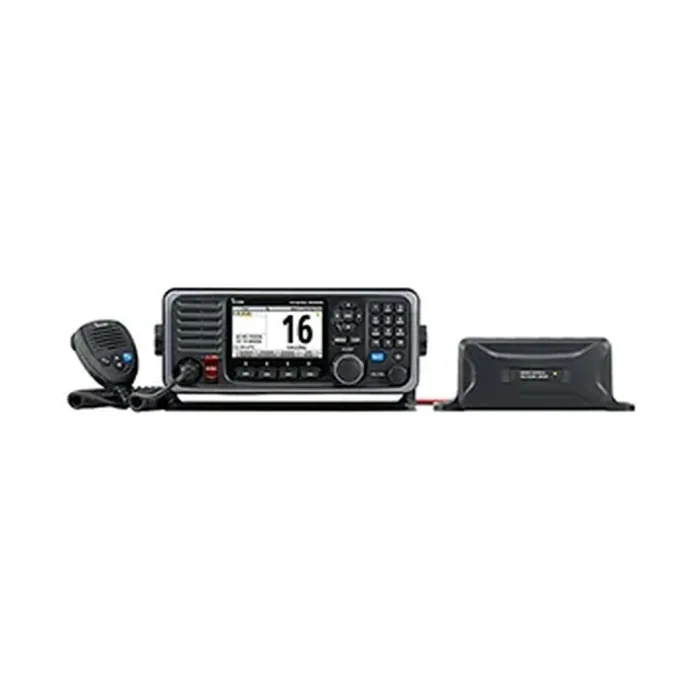
The vessel's primary distress and safety communication, a fixed-mount GMDSS VHF with Class A DSC such as the Icom GM600 or Samyung STR-7000A, covered in more depth in the dedicated GMDSS sea area article elsewhere in this series, is the foundation everything else sits on top of, since it is the mandatory safety equipment a vessel's carriage requirement is built around. Confirm the vessel's certified sea area before specifying anything else, since that single fact determines the rest of the GMDSS fit.
Add AIS next
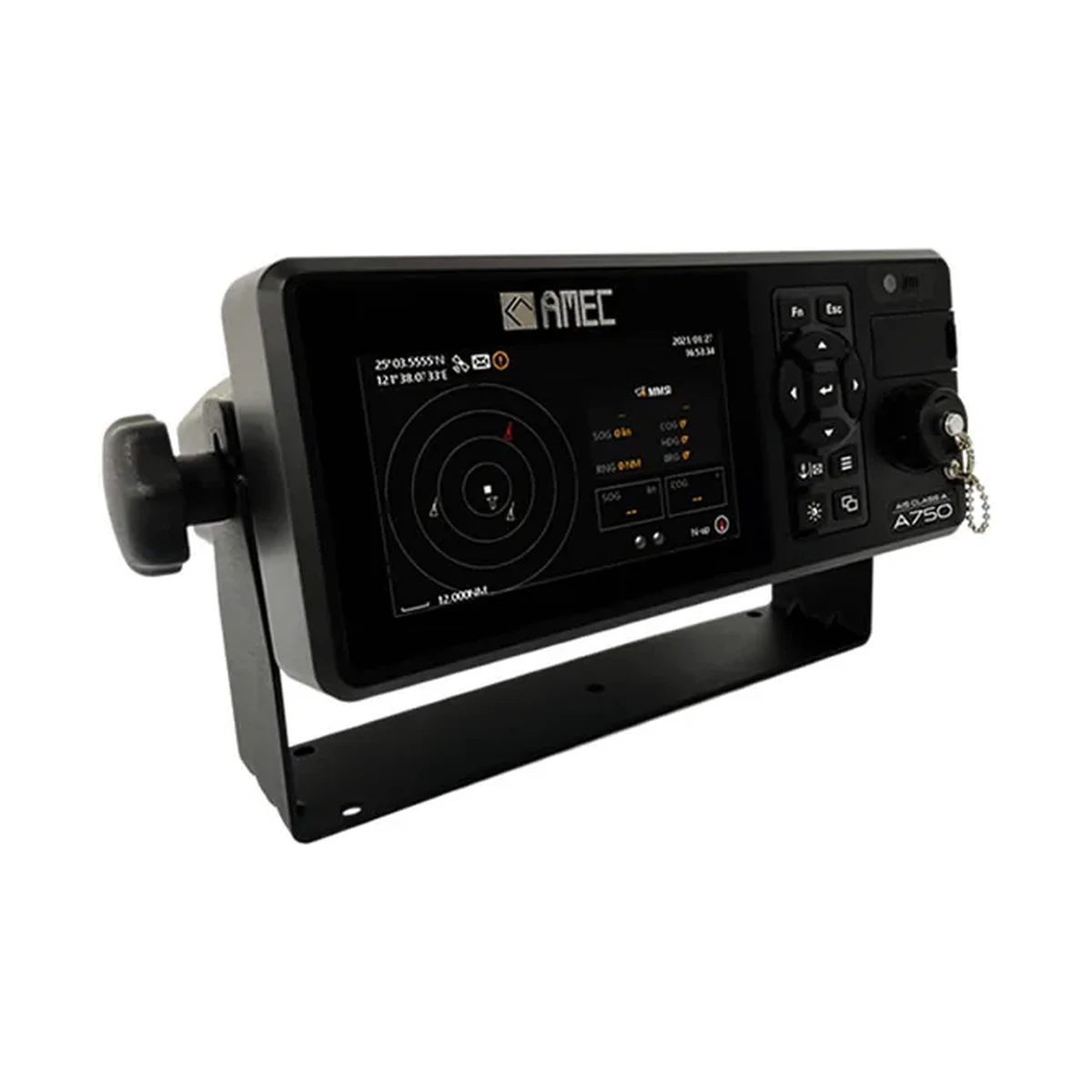
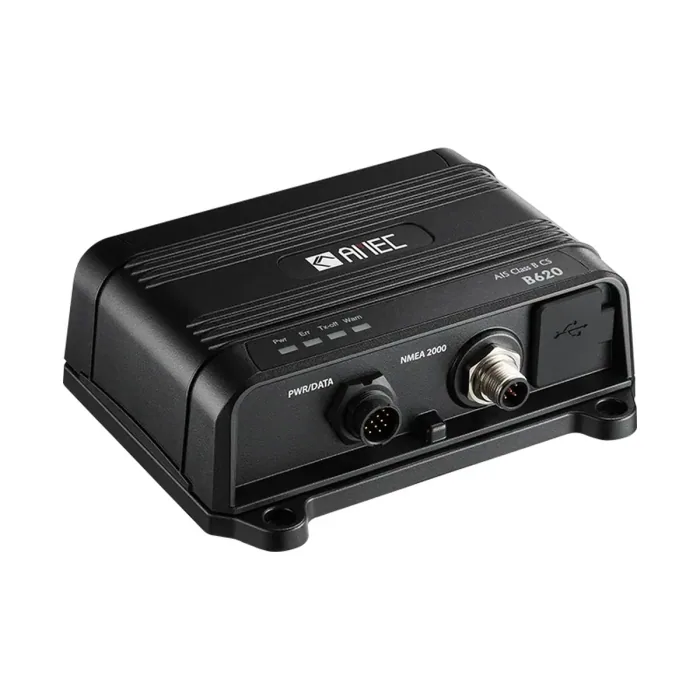
Whether AIS is mandatory for your specific vessel depends on tonnage and voyage type, covered in the dedicated AIS mandate article elsewhere in this series, but a working fishing vessel benefits from it regardless of mandate, both for collision avoidance in crowded fishing grounds and for the safety of being visible to larger commercial traffic. A Class B transponder such as the AMEC B620 covers most non-mandated fishing vessels; a Class A unit such as the AMEC A750 is required if the vessel is caught by the SOLAS carriage threshold.
Navigation: chartplotter and fishfinder
A combined chartplotter and fishfinder, such as Garmin's ECHOMAP or GPSMAP range or Haiyang's HD series, covered in depth in this catalogue's marine navigation content, gives the vessel both a navigation display and the fish-finding capability that is, after all, the actual point of the voyage. This is where budget typically has the most room to flex, from a compact single-purpose unit to a larger multi-function display integrated with radar and autopilot.
NMEA interfacing: making it all talk to each other
AIS targets, GPS position and depth data are only useful if they reach the chartplotter, which is where NMEA 0183 or NMEA 2000 interfacing, covered in the dedicated article elsewhere in this series, becomes a genuine part of the fit-out rather than an afterthought. Plan the interfacing alongside the equipment purchase, not after installation, since retrofitting a proper network onto equipment already wired ad hoc is more expensive than planning it correctly the first time.
A backup handheld VHF
Beyond the fixed GMDSS set, a general-purpose handheld VHF adds mobility around the vessel and a genuine backup if the fixed installation fails, covered in more depth in the dedicated fixed-versus-handheld article elsewhere in this series. This is a comparatively small additional cost against real operational value.
Licensing, before or alongside equipment
- MMSI and Ship Radio Station Licence, covered in more depth elsewhere in this series, need to be in hand before AIS and DSC equipment can be properly commissioned.
- Confirm GMDSS operator certification, GOC or ROC as appropriate to the vessel's sea area, is held by crew who will actually operate the equipment.
- Budget time for licensing alongside equipment procurement rather than treating it as a final step, since equipment sitting uncommissioned while paperwork catches up is a common and avoidable delay.
A sensible buying order
- Confirm the vessel's certified sea area and AIS carriage status.
- Fit the mandatory GMDSS VHF set.
- Add AIS, Class A or Class B as required.
- Add the chartplotter and fishfinder combination that fits the vessel's budget and fishing grounds.
- Interface everything over NMEA so the AIS, GPS and depth data actually reach the display.
- Add a handheld VHF for backup and mobility.
- Confirm MMSI, station licensing and crew operator certification are all in place.
ASPL supplies the full range referenced here, AMEC and Digital Yacht AIS, Icom and Samyung GMDSS VHF, Garmin and Haiyang navigation, and handles the NMEA interfacing and commissioning that ties a fishing vessel's fit-out together as one working system rather than a collection of separately purchased boxes.