
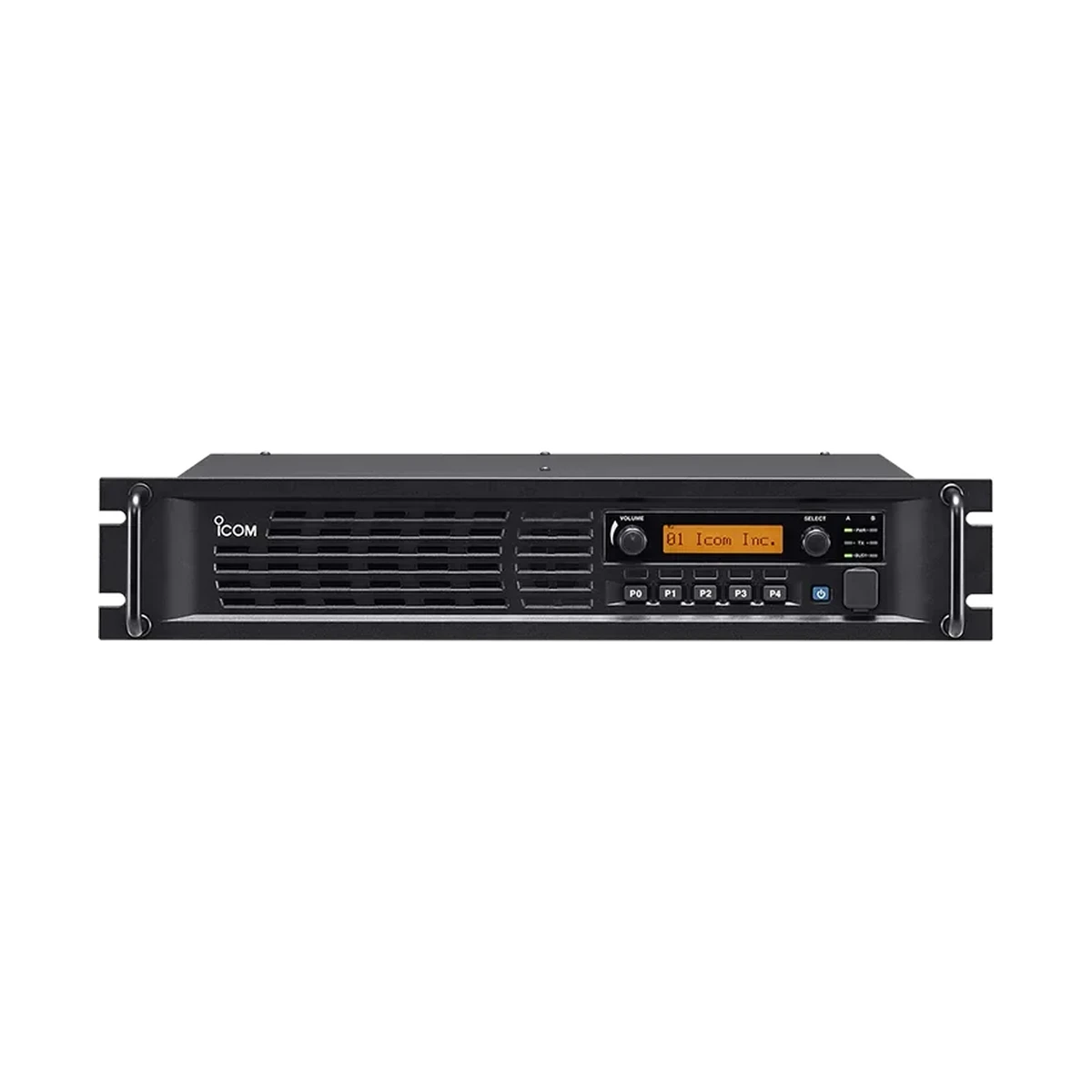
Start with what the repeater is trying to solve
Before selecting equipment or a mounting location, define the actual coverage gap the repeater needs to close: which specific areas of a site are currently unreachable by handheld-to-handheld communication, and why, distance, terrain, structure. A repeater sited without reference to a genuine, mapped coverage gap risks solving the wrong problem, or over-engineering a solution for a gap that a simple antenna change or mobile radio would have addressed more cheaply.
Site selection: height above everything else
As covered in the range article elsewhere in this series, antenna height dominates VHF/UHF coverage far more than transmit power does. The single most important siting decision is the highest practical location with a clear view over the area needing coverage, a rooftop, a tower, or the tallest available structure on or near the site. A repeater mounted low, even a high-power unit like the IC-FR9010/IC-FR9020 at 110 W, will underperform a lower-power unit sited properly high with a clear line of sight.
The duplexer: letting one antenna do two jobs
A repeater transmits and receives simultaneously, on two closely spaced frequencies, and without careful filtering the repeater's own powerful transmission would overwhelm its comparatively weak receiver, deafening it to incoming calls. A duplexer solves this: a set of precisely tuned filters that allow the transmit and receive signals to share a single antenna without one desensitising the other. Duplexer performance is frequency-specific and has to be tuned to the actual transmit/receive pair the repeater uses, which is specialist work generally carried out as part of a professional installation rather than a component to select and fit casually.
Antenna choice and feedline
The repeater's own output power is only ever as effective as the antenna and feedline delivering it to the air. A high-gain, well-positioned antenna concentrates the repeater's power more effectively toward the horizon, extending useful range, while a long feedline run between the repeater and the antenna introduces cable loss that eats directly into the power actually reaching the antenna, favouring lower-loss cable on longer runs and, where practical, keeping the repeater physically close to the antenna it feeds.
Duty cycle and thermal planning
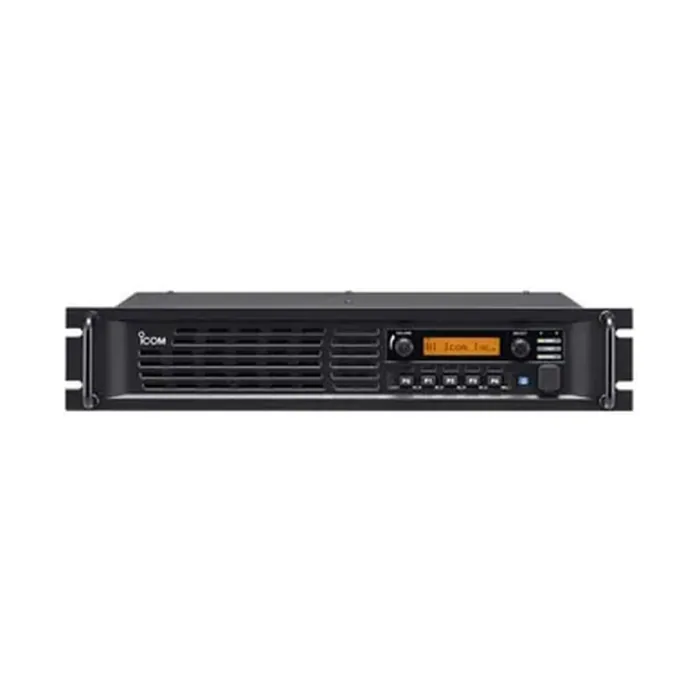
The IC-FR5000/IC-FR6000 series' rated 50 W output assumes a 50% duty cycle, dropping to 25 W for continuous, 100% duty cycle operation, a detail that matters directly for a busy channel carrying near-continuous traffic. Planning for the sustained figure rather than the peak rating avoids a repeater that performs well in testing but underdelivers, or shuts down to protect itself, once it is actually carrying a busy site's real traffic load.
Frequency coordination and licensing
A repeater's transmit and receive frequencies need to be coordinated to avoid interference with other licensed users of the same band in the area, and, as covered in the dedicated WPC licensing article elsewhere in this series, operating a repeater in India generally requires the same Equipment Type Approval and operator licensing framework that applies to the rest of a land mobile radio system.
A practical planning checklist
- Map the actual coverage gap before selecting a repeater model or site, rather than working backward from equipment already purchased.
- Prioritise the highest practical antenna location over the highest available output power figure.
- Budget for a properly tuned duplexer as part of the installation, not as an optional extra.
- Plan power and coverage expectations around sustained duty cycle, not peak rated output.
- Confirm frequency coordination and licensing before the repeater goes on air, not after.
- For GNSS-disciplined multi-site systems, consider the IC-FR5300's tighter frequency stability specifically for that use case.
ASPL supplies Icom's full repeater range and provides the site planning, duplexer specification and installation support that determines whether a repeater actually delivers the coverage it is bought to provide.