
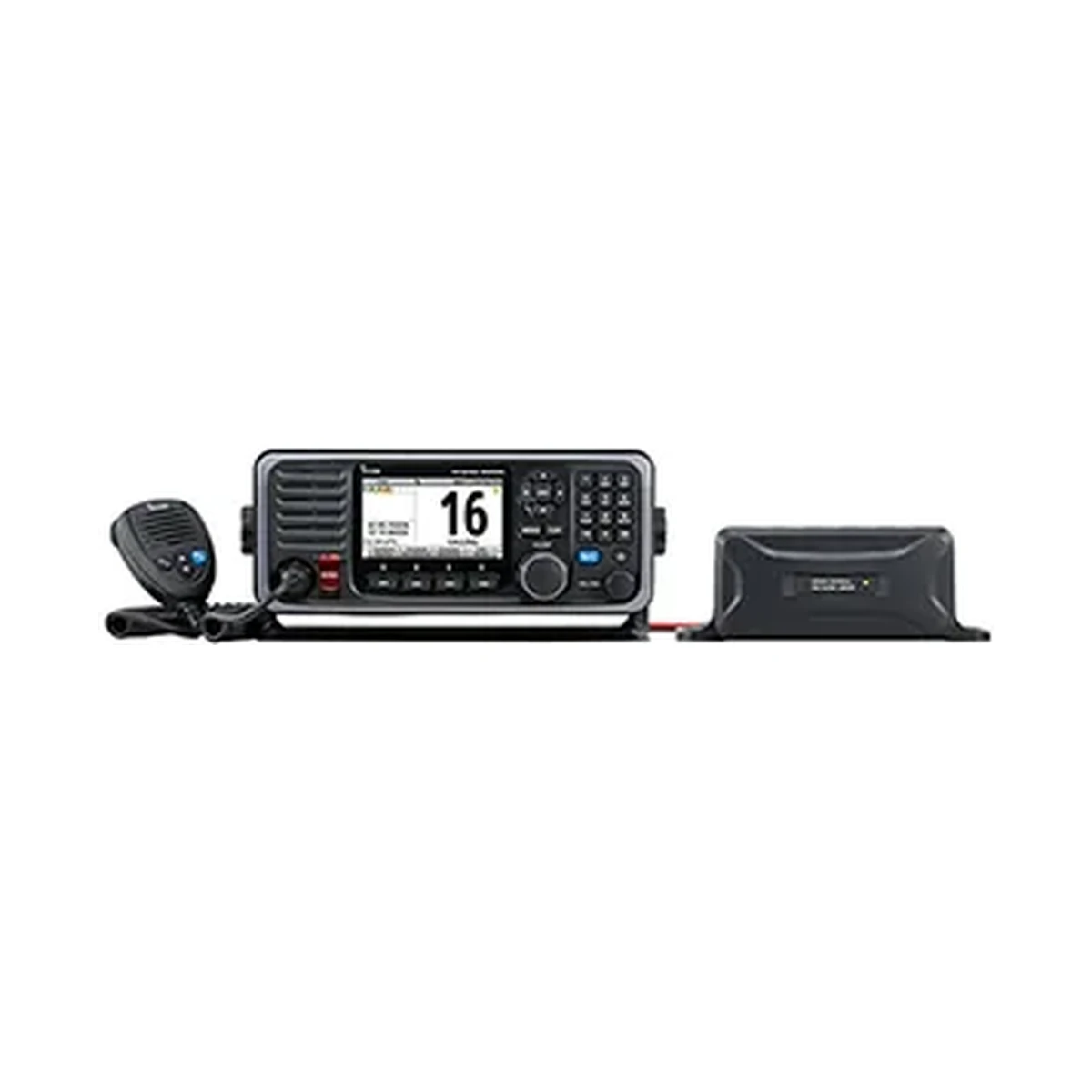
The fit-out decides the survey
A GMDSS installation is judged as a system, not as a collection of boxes. The equipment has to be right for the vessel's sea areas and tonnage, it has to be type approved and installed to the manufacturer's requirements, it has to be powered and duplicated in the way the regulations expect, and it has to be documented. Almost everything that goes wrong at survey time was decided months earlier, when someone chose a supplier on price alone and received exactly what was ordered and nothing more.
Choosing the supplier is therefore a technical decision, not a procurement formality. The questions below are the ones worth asking before an order is placed.
Does the supplier specify against your sea area, or against a catalogue?
The first thing a competent supplier should ask is where the vessel trades and what it is certified for. Sea area A1, A2, A3 and A4 fits differ substantially, and tonnage changes the required counts of survival craft VHF sets and search and rescue locating devices. A supplier who returns a quotation without having established those facts is quoting a generic list, and a generic list is the most common source of a deficiency at survey.
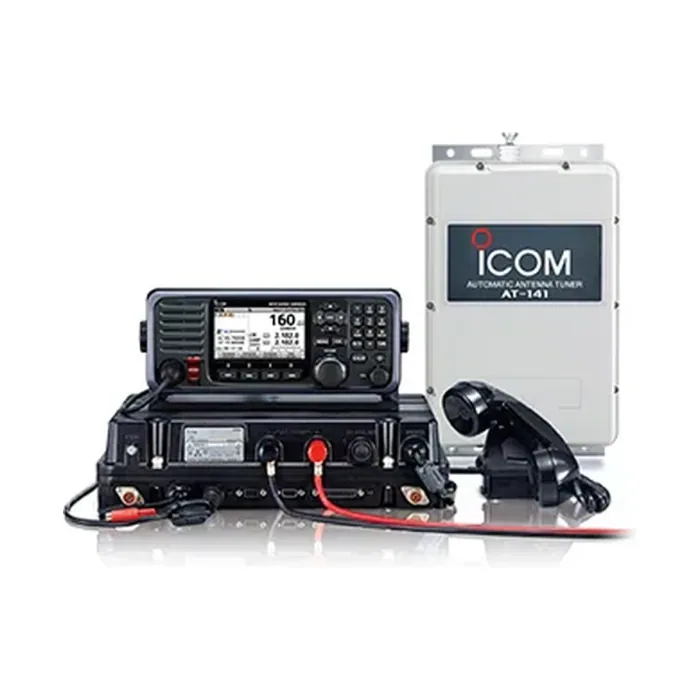
Is the equipment type approved, and can that be evidenced?
GMDSS equipment is built and approved against IMO performance standards and the relevant IEC test standards, and for European-flag work against the Marine Equipment Directive, which is where the wheel mark comes from. Ask for the approval evidence at quotation stage rather than after delivery. Survival craft radios, for instance, are approved against IMO Resolution MSC.149(77), and an AIS SART against IEC 61097-14 and related standards; if a supplier cannot say which standards a proposed unit meets, that is informative in itself.
- Ask which approvals each item carries, and get the certificates with the delivery, not later.
- Check that the model quoted is the approved variant, since manufacturers often sell similar-looking units in approved and non-approved versions.
- Confirm the counts against tonnage before ordering, because a short delivery of survival craft sets is a deficiency however good the equipment is.
Does the scope include installation and commissioning, or just supply?
The gap between a delivered box and a working station is where most schedule risk lives. Antenna siting and separation, feeder runs and connectors, main and reserve power sources, earthing, and the NMEA interfacing that feeds position data into the DSC sets and the AIS all have to be done properly, and all of them are visible to a surveyor. A supplier whose scope ends at the gangway leaves that work to whoever is available, which is rarely the right answer on a fit with a survey date attached.
ASPL's commercial marine capability is stated as compliance equipment (GMDSS, AIS transponders, AIS SARTs and marine VHF meeting carriage requirements), bridge integration through NMEA 0183 and NMEA 2000 interfacing between navigation, AIS, autopilot and charting systems, onboard connectivity, and commissioning and training, with equipment fitted, commissioned and handed over and operator training provided for bridge crew. That combination, supply plus interfacing plus commissioning plus handover, is the shape of scope worth looking for, whoever the supplier is.
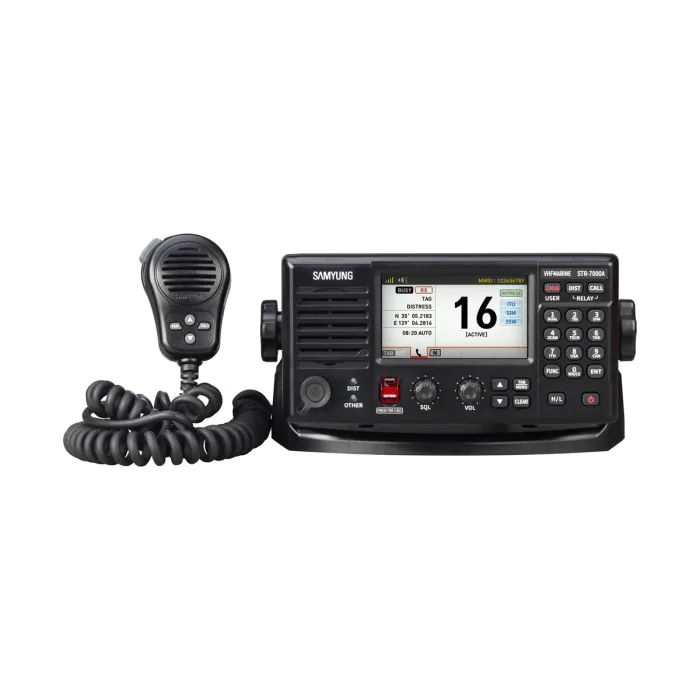
What does handover actually consist of?
Handover should leave the vessel with more than working equipment. Expect the manuals on board, the approval certificates filed, the MMSI programmed and the registration details confirmed, the position feeds proven at the sets rather than assumed, and the crew shown how to operate the equipment including the distress functions they will never practise on a live channel. Operator training for bridge crew is part of a proper fit-out, not an extra, because a correctly installed station that nobody on board can drive is still a finding.
What happens after the vessel sails?
GMDSS availability requirements mean a ship has to be able to keep its equipment working, whether through duplication, shore-based maintenance or at-sea maintenance capability. That makes the supplier's service reach part of the specification rather than an afterthought. Ask where repairs are carried out, whether spares are held in the country, and how quickly a failed unit can be replaced or repaired in the ports the vessel actually uses. ASPL runs an in-house service centre in India covering the brands it sells, with component-level repair, firmware and configuration work and post-repair functional testing, and states a nationwide delivery and collection network, which is the sort of capability that matters when a set fails between surveys rather than at one.
A short checklist for the enquiry
- Have you told the supplier the vessel's flag, tonnage, certified sea areas and survey date?
- Has the supplier specified counts as well as models?
- Is type approval evidence part of the delivery?
- Does the scope cover antennas, power, interfacing and commissioning?
- Is crew training included and scheduled?
- Where will the equipment be serviced, and how fast?
Settle those six before the purchase order, and the survey becomes a check of work already done rather than a discovery exercise.