
Who GMDSS applies to
The Global Maritime Distress and Safety System is set out in SOLAS Chapter IV. It applies to passenger ships of any size on international voyages and to cargo ships of 300 gross tonnage and upwards on international voyages, and has done since 1 February 1999. Vessels outside that scope, including many domestic workboats and fishing vessels, are governed by national rules instead, which in India means the requirements set by the maritime administration for the vessel's class and trading area rather than SOLAS itself. The equipment logic below is still useful for those vessels, but the binding list comes from the flag administration.
The sea areas, because they drive everything
GMDSS carriage is defined by where a ship trades, not how far it goes:
- Sea area A1: within VHF DSC coverage of at least one coast station, typically in the region of 20 to 40 nautical miles depending on the station.
- Sea area A2: outside A1 but within MF DSC coverage of a coast station, commonly quoted at around 150 nautical miles.
- Sea area A3: outside A1 and A2 but within the coverage of a recognised mobile satellite service supported by the ship earth station carried on board, in which continuous alerting is available.
- Sea area A4: everything outside A1, A2 and A3, in practice the polar regions.
Each area's fit builds on the one before it, so an A3 ship carries the A1 and A2 equipment as well.
Carried by every GMDSS ship, whatever the area
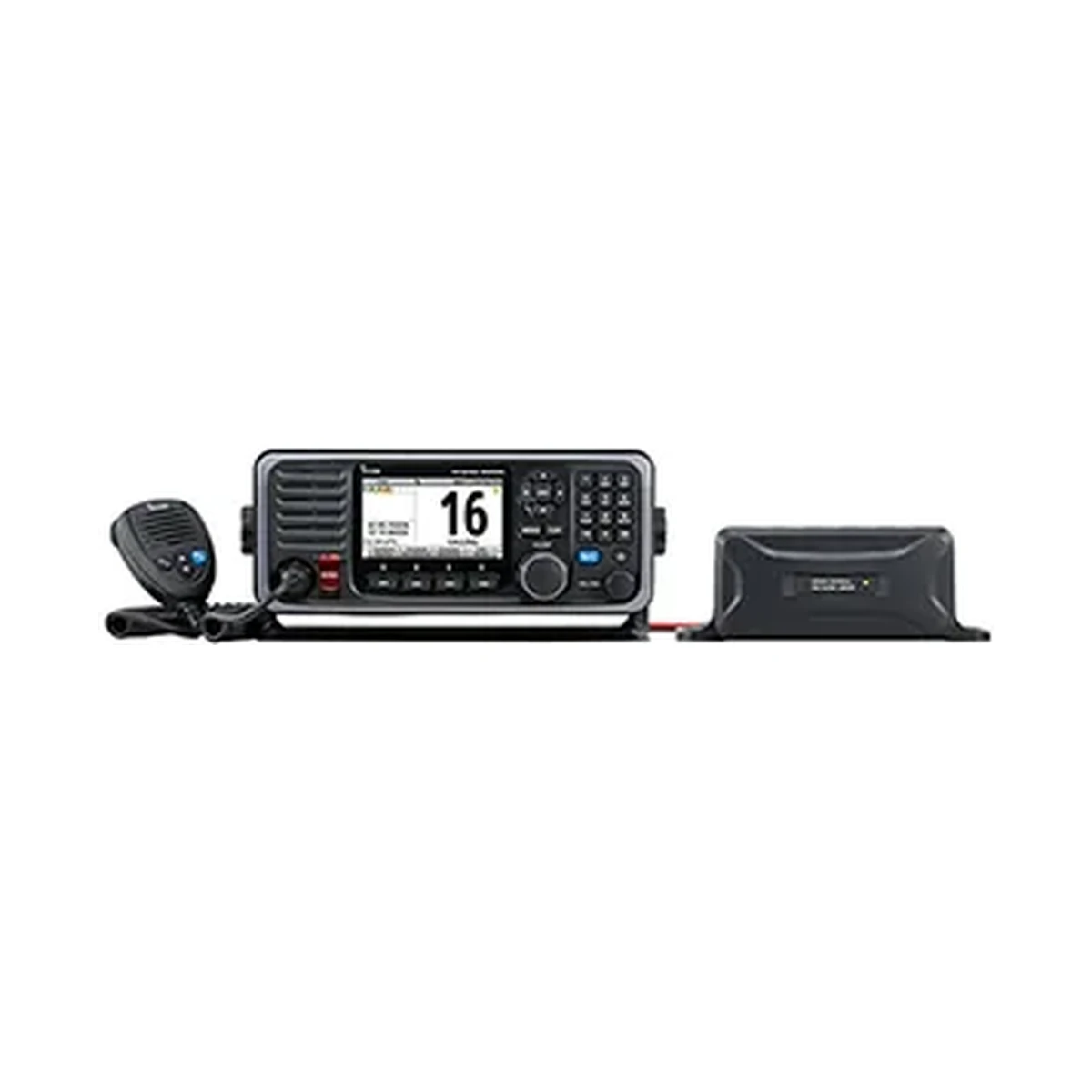
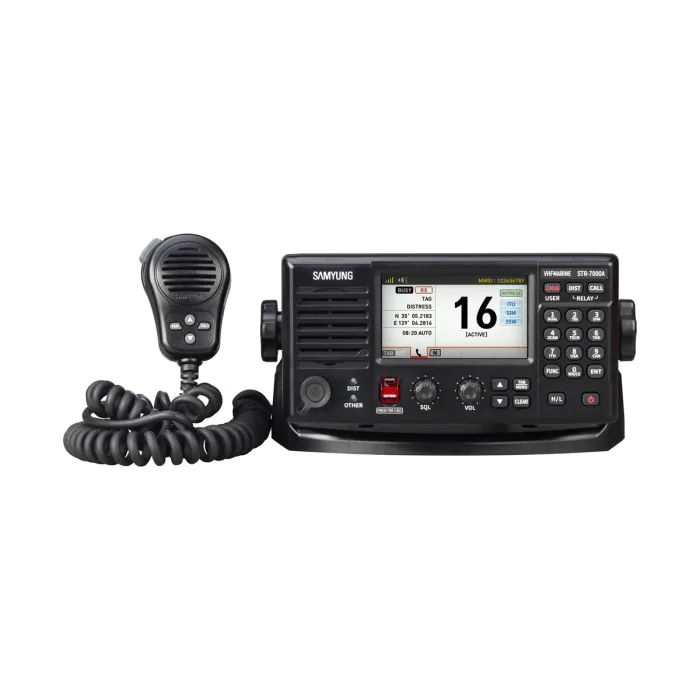
- A VHF radio installation capable of DSC on channel 70 and radiotelephony on channels 6, 13 and 16, with a dedicated DSC watch-keeping receiver.
- A 406 MHz satellite EPIRB, float-free mounted. Ships certified for sea area A1 alone have historically had a VHF DSC EPIRB as an alternative, but the satellite EPIRB is the normal fit.
- A search and rescue locating device: a radar SART or an AIS-SART. Ships of 500 gross tonnage and upwards carry two; ships of 300 to 500 gross tonnage carry one.
- Two-way VHF radiotelephone apparatus for survival craft: three on every passenger ship and on cargo ships of 500 gross tonnage and upwards, two on cargo ships of 300 to under 500 gross tonnage.
- Equipment for receiving maritime safety information throughout the intended voyage. This has traditionally meant a NAVTEX receiver, an EGC receiver, or HF NBDP depending on the trading area. Amendments to SOLAS Chapter IV that took effect on 1 January 2024 recast this as a performance requirement to receive MSI and search and rescue information throughout the voyage, rather than naming specific receivers; confirm the current wording and your flag administration's interpretation before finalising a fit.
- Means of ensuring availability (duplication of equipment, shore-based maintenance, at-sea maintenance capability, or a permitted combination), plus reserve power sources with the required endurance.
Sea area A1
The core list above, with VHF DSC as the alerting path to shore. The distinguishing feature of an A1-only fit is that no MF, HF or satellite alerting is required, because a coast station is always within VHF DSC range.
Sea area A2
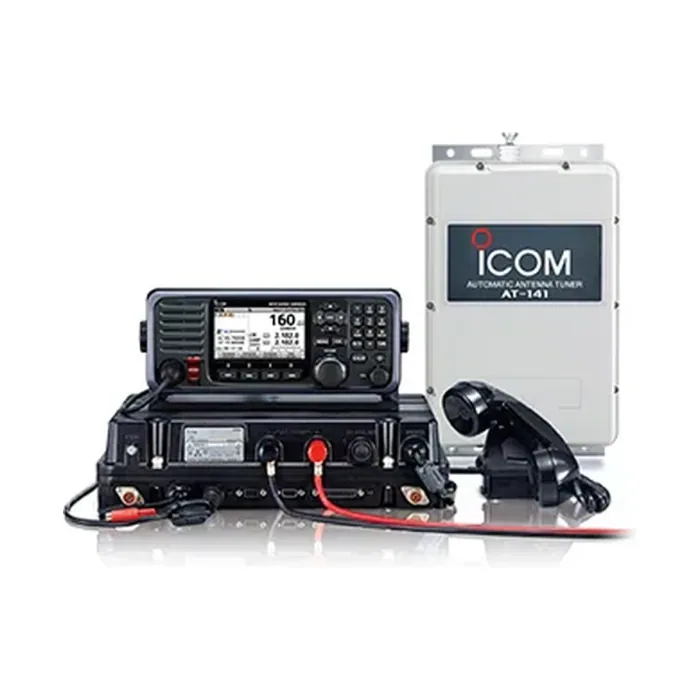
The A1 fit plus an MF radio installation capable of DSC on 2187.5 kHz and radiotelephony on 2182 kHz, with continuous DSC watch-keeping on 2187.5 kHz. In practice this is where an MF/HF radiotelephone with an integral DSC watch receiver enters the specification.
Sea area A3
The A2 fit plus a long-range alerting capability. This is satisfied either by a ship earth station working through a recognised mobile satellite service, or by an MF/HF installation covering the DSC distress and safety frequencies with the appropriate watch-keeping. Which route a ship takes is a commercial and operational decision as much as a regulatory one, and it affects the rest of the fit, since a satellite route usually still leaves an MF/HF set on board for other reasons.
Sea area A4
The full fit, with MF/HF DSC mandatory. Geostationary satellite coverage is unreliable at high latitudes, so HF carries the long-range alerting burden in polar waters. Vessels operating in A4 also face the practical questions of antenna icing, battery performance at low temperature and equipment temperature ratings, which is where survival craft radios rated for cold operation earn their place.
Reading the list against real equipment
Translating the checklist into a purchase order is straightforward once the sea area is fixed. A GMDSS VHF radiotelephone with Class A DSC covers the VHF requirement, an MF/HF radiotelephone with DSC and, where required, NBDP telex covers A2 to A4, an AIS SART or radar SART covers the locating device, survival craft VHF handhelds built to the relevant IMO performance standard cover the lifeboat sets, and a NAVTEX receiver covers MSI in areas where NAVTEX service exists. The counts, not the models, are what the certificate turns on, so check the tonnage thresholds carefully before ordering.