
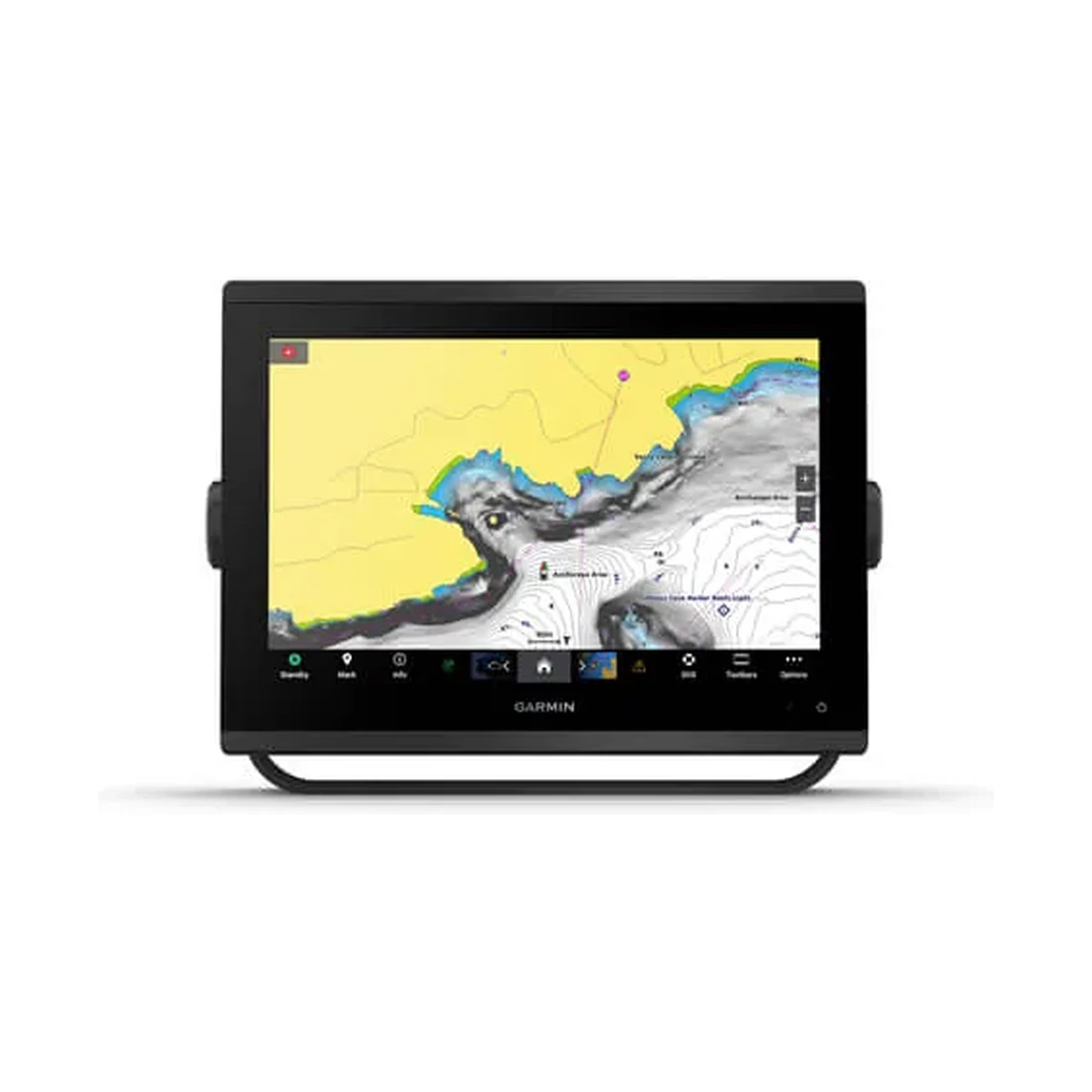
Marine displays are sold by diagonal measurement, from 5 inch units up past 12 inches, and the temptation is to treat that number as a straightforward budget decision. It is not. The right size for a given wheelhouse falls out of four things: how far the operator sits from the screen, how many panes of information need to be visible at once, how much flat console area and mounting depth exist, and how the unit will be operated in bad weather.
Start with viewing distance
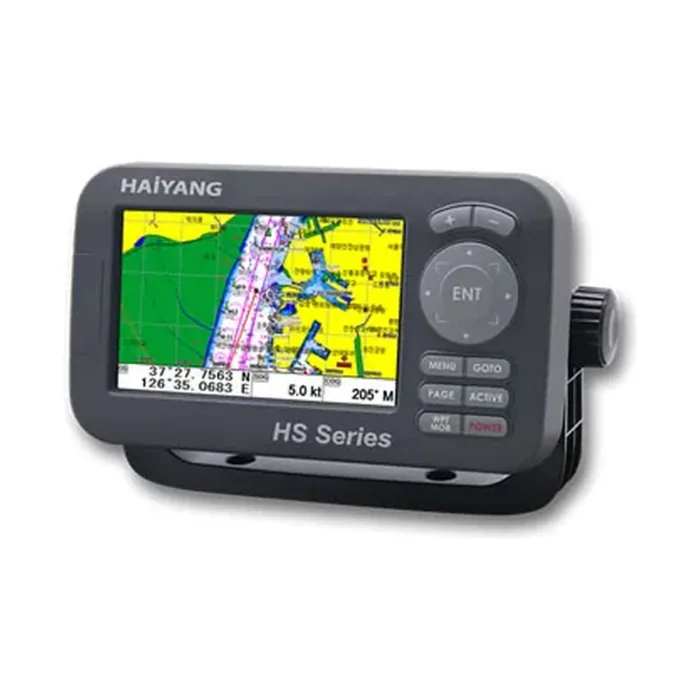
The single most useful question is how far the helm position is from where the display will be mounted. On an open boat where the skipper stands within arm's reach of the console, a 5 inch unit such as the Haiyang HS-55C is genuinely readable. In an enclosed wheelhouse where the display sits above and forward of a seated position, the same screen becomes a squint. As viewing distance grows, the size needed to read the same chart detail grows with it, which is why larger vessels end up on 10 and 12 inch displays such as the Haiyang HD-1000C or the Garmin GPSMAP 1223xsv rather than out of any preference for a bigger picture.
Pixel density decides how much chart you can actually read
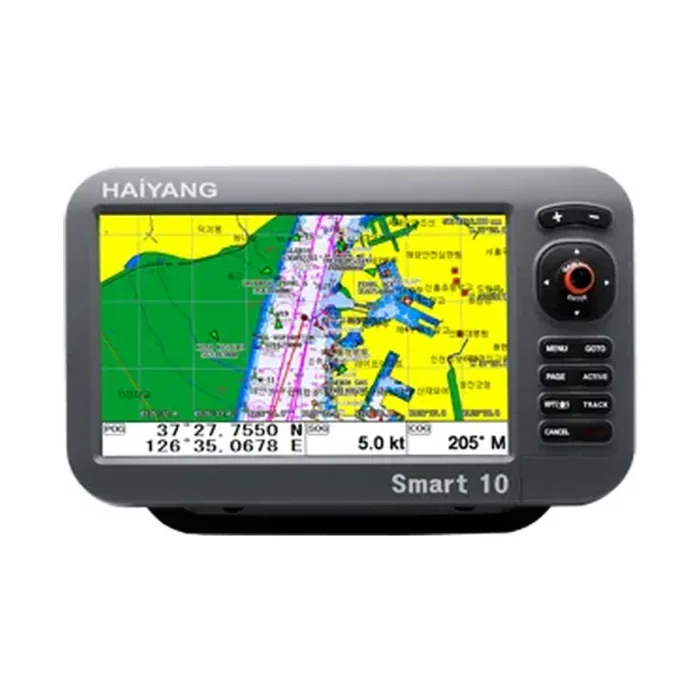
Diagonal size and resolution are separate specifications, and the combination is what determines legibility. Compare three real units. The Haiyang HD-1000C is a 10.4 inch display at 800 x 600. The Haiyang KS-101C is slightly smaller at 10.1 inches but runs 1024 x 600, so it fits more chart across the same width. The Garmin GPSMAP 1223xsv is 12.1 inches at 1280 x 800, giving both more area and a finer grid. The Haiyang HD-580C takes the opposite approach and puts an XGA 1024 x 768 panel behind a chartplotter controller, prioritising resolution.
Higher resolution over the same area means smaller text and denser chart features remain distinguishable, which matters most when zoomed out on passage. Lower resolution over a large area gives a display that is easy to read from a distance but shows less at any given zoom level. Neither is wrong. They suit different jobs.
Count the panes before you count the inches
A display that will only ever show a chart can be smaller than one that has to show chart, sonar, radar and instrument data together. Splitting a screen halves or quarters the area each function gets, so a 9 inch multi-function display such as the Garmin GPSMAP 923xsv running a chart and sonar split is giving each function roughly the area of a small standalone unit. If the intention is to run three or four panes routinely, size up, or plan on two displays rather than one large one. Two screens also give a degree of redundancy that one large screen cannot.
Console space, depth and weight
Flat panel area at the helm is usually the binding constraint on a small boat, and the depth behind the panel is the one people forget. The Garmin GPSMAP 923xsv measures 9.2 by 6.4 by 3 inches and weighs 1.6 kg; the 1223xsv measures 12.1 by 8.9 by 3.2 inches and weighs 3.0 kg. Behind that body there also has to be room for the cable loom and the bend radius of the connectors, and a bracket-mounted unit needs swing clearance as well. Check the following before committing to a size:
- Flat area available at the helm, and whether the unit will be flush or bracket mounted.
- Depth behind the panel, including connector bend radius.
- Sightlines. A large display mounted high can obstruct the view forward, which is a safety issue rather than a comfort one.
- Compass safe distance and separation from other electronics.
- Power budget. A larger backlit display draws more current, and the Garmin xsv units quote typical draws of 1.37 A for the 923xsv and 1.68 A for the 1223xsv at 12 Vdc.
Touch or keys
Size interacts with the control method. Larger displays are commonly touchscreens, including the Haiyang KS-101C, the Vega VG-10CF and the 12.1 inch Haiyang VG-12CF, while smaller units often keep physical keys, as the Garmin ECHOMAP UHD2 7" cv does with its keyed input. In a wet wheelhouse, in heavy weather, or with gloved hands, physical keys are easier to use reliably, and they do not respond to spray landing on the glass. A touchscreen gives faster chart panning and zooming and a cleaner face. On an exposed helm, keys, or a unit that offers both, are worth prioritising over the extra inch.
The practical shortlist for most boats ends up narrow. Small open craft and a single-instrument fit sit at 5 to 7 inches. An enclosed wheelhouse running a chart and a sounder together sits at 8 to 10 inches. A vessel running chart, sonar and radar from one helm, or with a long viewing distance, sits at 10 to 12 inches or on a pair of displays.