
IcomAmateur Radio
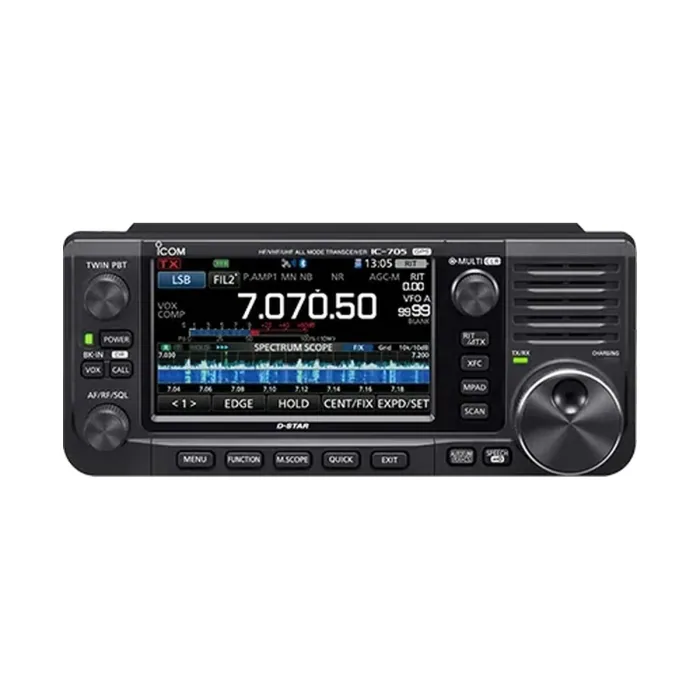
IC-705
A portable QRP transceiver covering HF through 430/440 MHz with D-STAR digital voice, up to 10 W output, and 500 memory channels.
Enquire →
One stop shop for complete navigation & communication solutions.
Catalogue
HF, VHF and UHF transceivers for licensed amateur operators.
See also Land Mobile, Receivers.
Catalogue
Amateur Radio · Showing 10 of 10 products
A portable QRP transceiver covering HF through 430/440 MHz with D-STAR digital voice, up to 10 W output, and 500 memory channels.
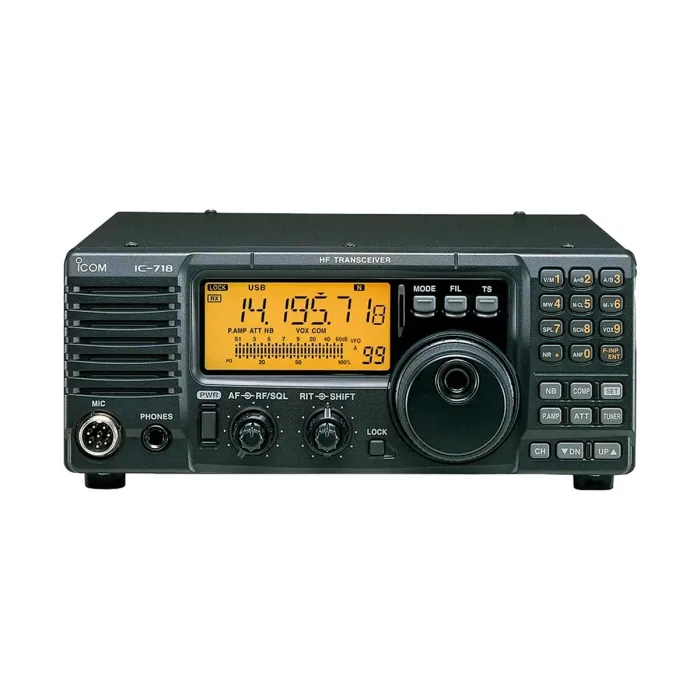
Discontinued by the manufacturer. HF Transceiver Key Features Simple operation Front mounted loud speaker Optional DSP capability, UT-106 General coverage receiver PDF Brochure
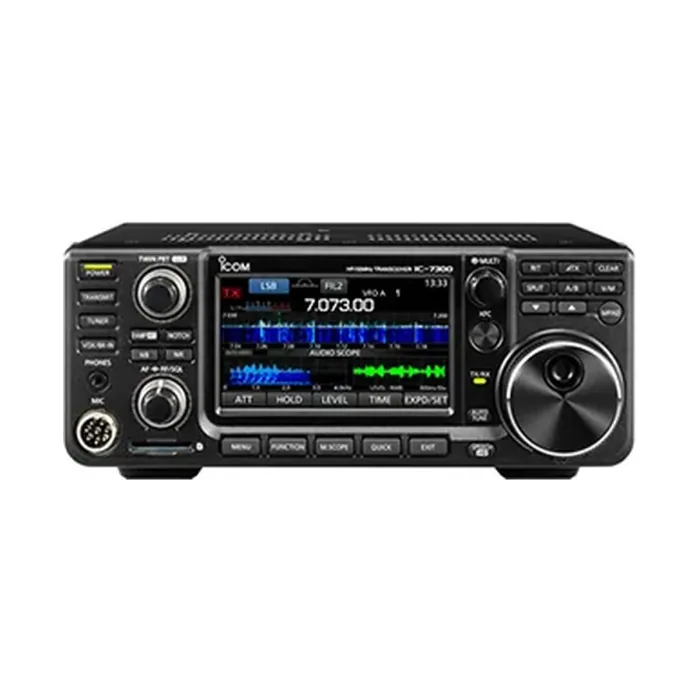
Icom IC-7300 HF/50MHz amateur transceiver with a direct-sampling receiver, 100W output on SSB/CW/FM/RTTY, and a built-in antenna tuner.
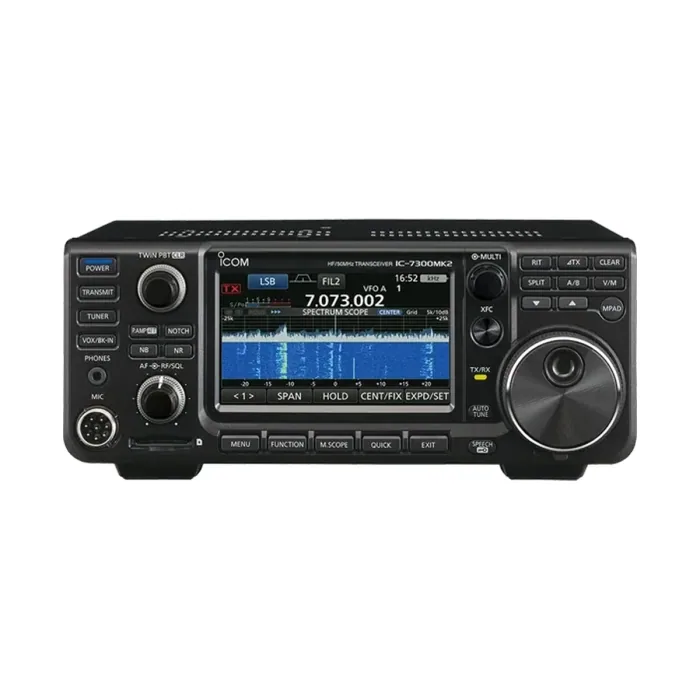
An HF/50 MHz base transceiver with a direct sampling receiver, 100 W output, and a built-in antenna tuner covering 1.8-70 MHz.
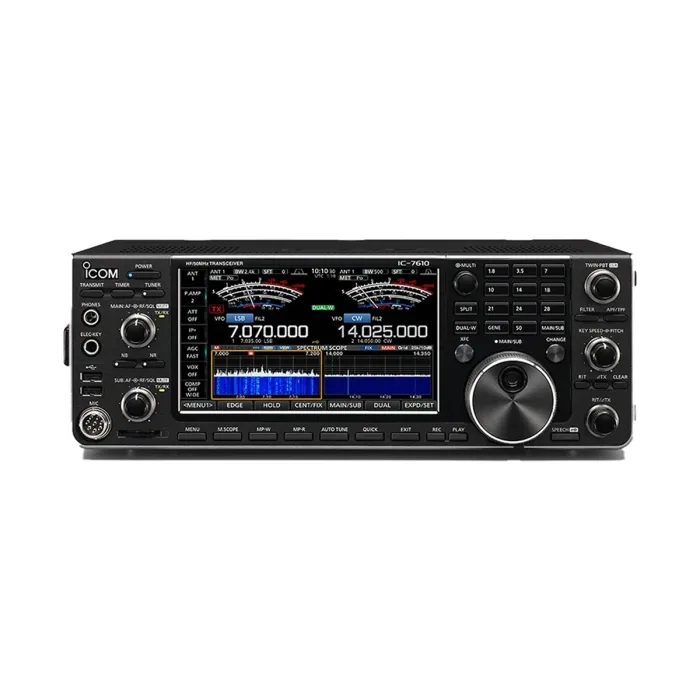
HF Transceiver Key Features Innovative RF Direct Sampling System Astonishing 110 dB* RMDR Customized VCXO Is Used for the Master Clock Independent Dual Receiver DIGI-SEL for Main and Sub Bands High Quality Speaker Sound Digital-Up-Conversion (DUC) for Clean…
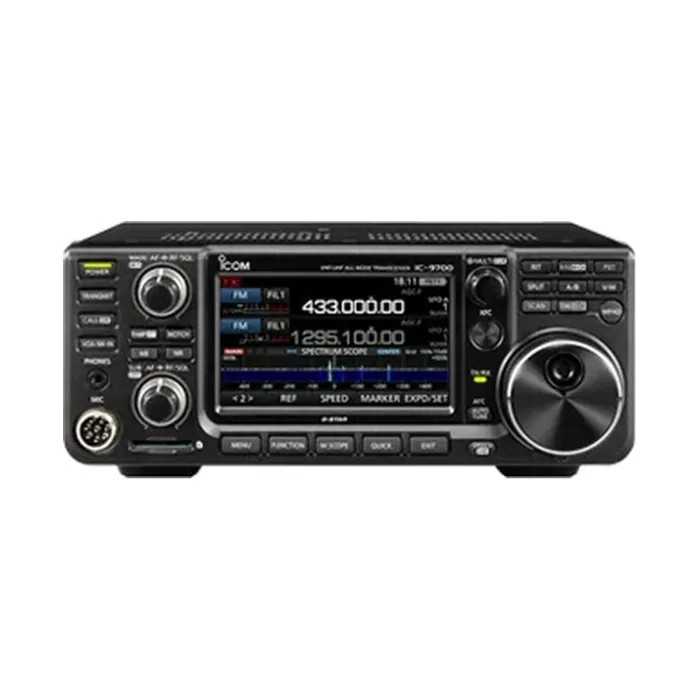
All Mode Transceiver Key Features 144, 430/440, and 1200 MHz All Mode Transceiver,Including Satellite, DV, and DD Modes The Icom’s Digital Expertise Intuitive Touch Screen Display Real-Time Spectrum Scope and Waterfall Display Independent Receiver, Full…
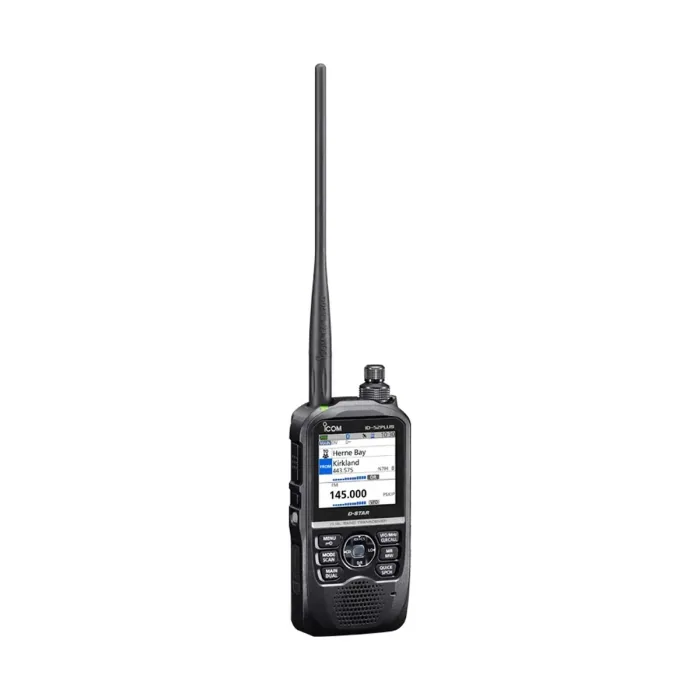
Dual-band D-STAR handheld transceivers for 144-148 MHz and 430-450 MHz with Bluetooth 5.3, GPS memories, and five-step output up to 5 W.
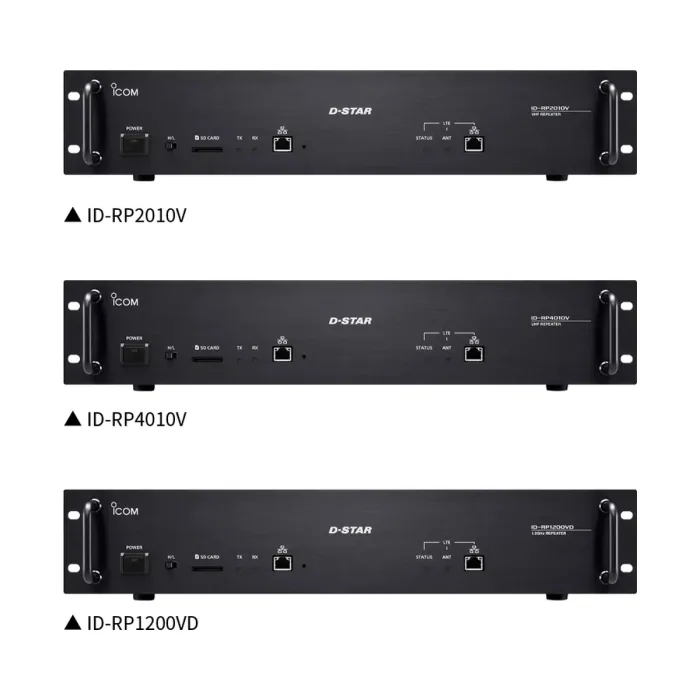
A 1.2 GHz D-STAR repeater for 1240-1300 MHz supporting high-speed DD data transfer up to 128 kbps alongside DV digital voice.
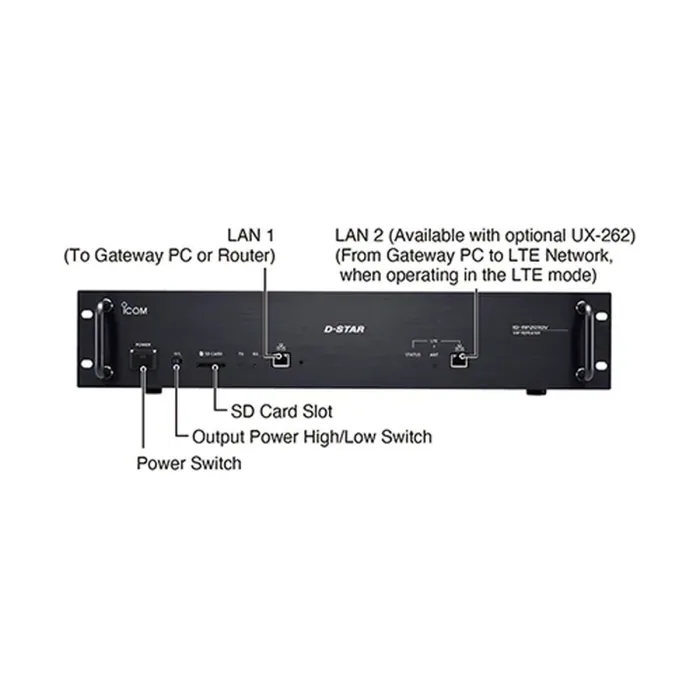
A VHF D-STAR repeater for 144-148 MHz with 25 W high-power output and DV/FM digital-analog operation.
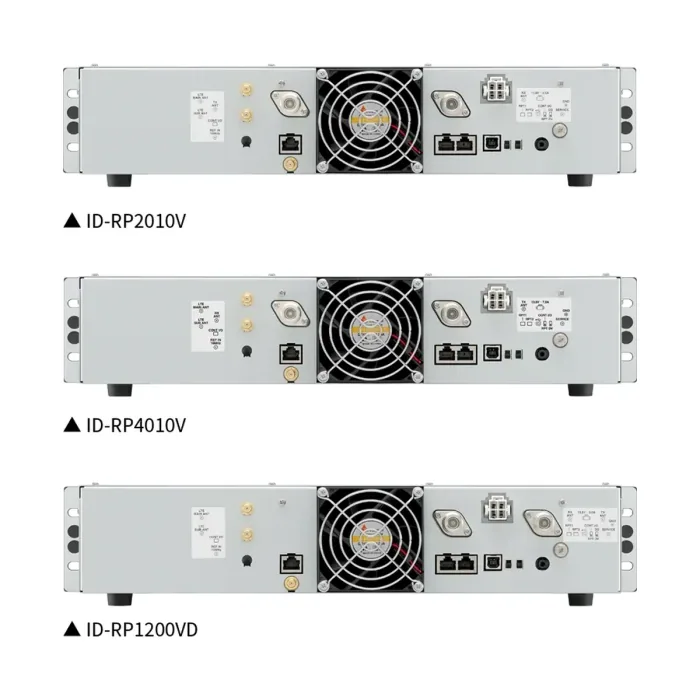
A UHF D-STAR repeater for 440-450 MHz with 25 W high-power output and both DV digital voice and FM analog operation.
HF, VHF and UHF transceivers for licensed amateur operators in India, from handhelds to base-station HF sets. Supplied and serviced by ASPL with in-house repair support.
Amateur radio, commonly called ham radio, is a licensed hobbyist and emergency-communication service that lets individuals build, operate and experiment with their own two-way radio stations. Operators communicate across HF (high frequency), VHF (very high frequency) and UHF (ultra-high frequency) bands, from casual local chats on a handheld to long-distance contacts spanning continents on HF. Beyond the hobby side, amateur radio operators are a recognised backup communication resource during disasters and network outages, when mobile and internet infrastructure can fail.
Each amateur band behaves differently: HF signals can reflect off the ionosphere and travel thousands of kilometres, while VHF and UHF signals mostly travel line of sight, making them better suited to local and regional contacts, often extended through repeaters. A radio, an antenna suited to the band in use and, for HF work, favourable propagation conditions are what make a contact possible. Transmitting on any of these bands legally requires a valid amateur radio licence and an assigned callsign; simply owning or listening on a receiver does not.
The single most important step before transmitting on any amateur equipment is holding a valid ASOC for the grade and bands you intend to use; receiving and listening don't require a licence, but transmitting does. For the station itself, antenna choice and placement matter more than almost anything else: height and clear line of sight benefit VHF/UHF range, while HF antennas need to be sized correctly for the bands you plan to work. A solid earth ground and, where relevant, lightning protection on outdoor antenna installations protect both the equipment and the operator, and feedline runs should be kept as short and high-quality as practical to minimise signal loss between the radio and the antenna.
You can purchase and own an amateur transceiver without a licence, and you can use it to listen (receive) freely. What requires a valid Amateur Station Operator Certificate (ASOC) from the WPC Wing, along with an assigned callsign, is transmitting: keying up and putting a signal out over the air. Transmitting without a valid licence is not permitted.
Restricted Grade is the entry-level certificate, covering VHF/UHF operation and limited HF access at lower permitted power. General Grade, which requires a more advanced exam, allows full HF band access at higher permitted power along with VHF/UHF privileges. Both are obtained by passing the Amateur Station Operator Examination conducted by the WPC Wing of the DoT and applying through the Saral Sanchar portal.
A D-STAR radio operates on the same amateur bands as any other transceiver, so the same licensing rules apply: you need a valid ASOC covering the band and mode you intend to use. D-STAR itself is just a digital voice/data mode available on that equipment, not a separate licence category.
This site uses only the cookies required for it to run, nothing for tracking or advertising. See our privacy policy.