
GarminMarine
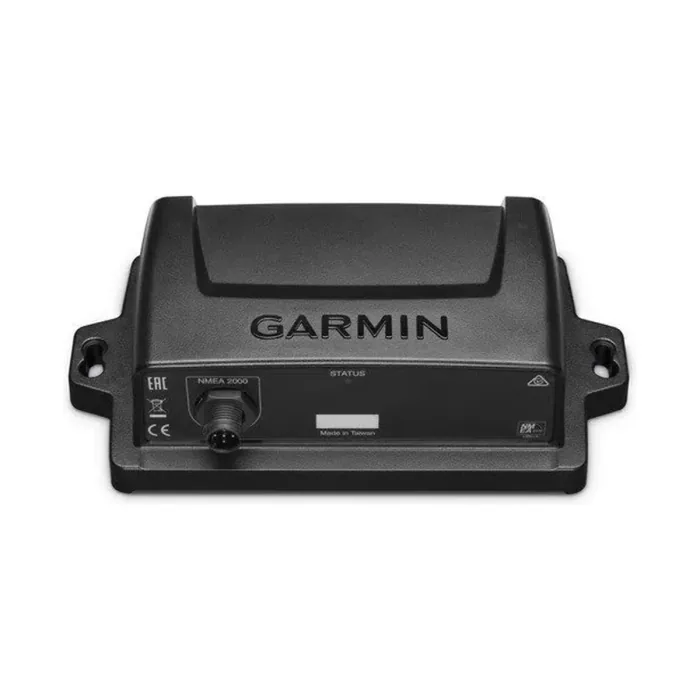
9-Axis Heading Sensor
A 9-axis heading sensor delivering compass output at 10 Hz with typical accuracy of plus or minus 2 degrees across the full 0 to 360 degree range.
Enquire →
One stop shop for complete navigation & communication solutions.
Catalogue
Fishfinder and chartplotter combos, GMDSS, VHF and HF communication for vessels of every size.
See also Marine Network & Interface.
Catalogue
Marine · Showing 115 of 115 products
A 9-axis heading sensor delivering compass output at 10 Hz with typical accuracy of plus or minus 2 degrees across the full 0 to 360 degree range.
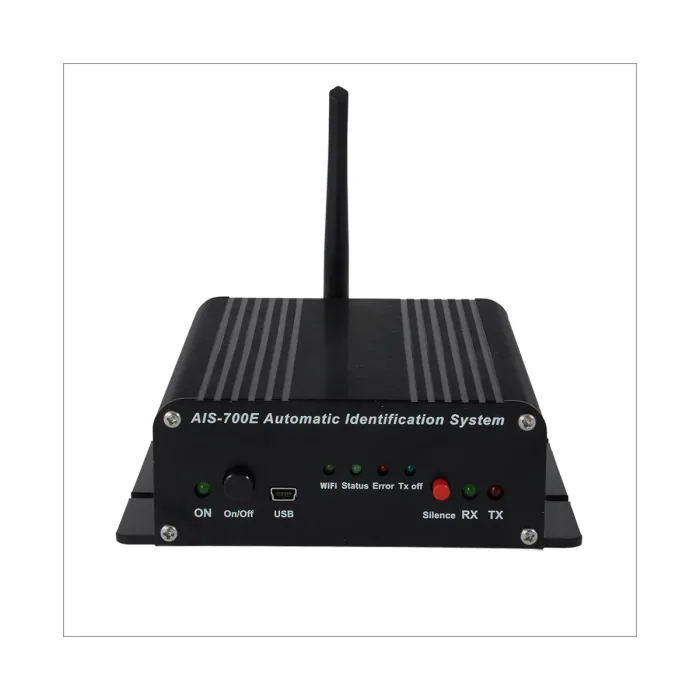
A dual-channel AIS transceiver operating on both marine AIS channels with 2 W output power and a wide 9 to 40 V DC supply range.
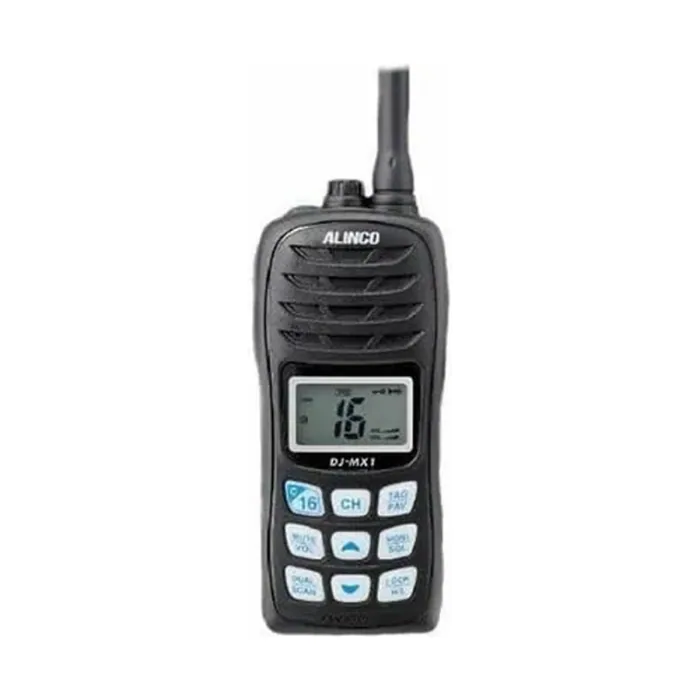
SPECIFICATIONS Frequency range : Tx : 156.025-157.425MHz Rx : 156.050-163.275MHz Frequency stability : ±10ppm Antenna impedance : FM (16K0G3E) Rated voltage : 50 Ω Current Consumption : 0.35A (Max audio output) 1.5A (TX / 5W) / 0.9A (TX / 1W) (Battery life up…
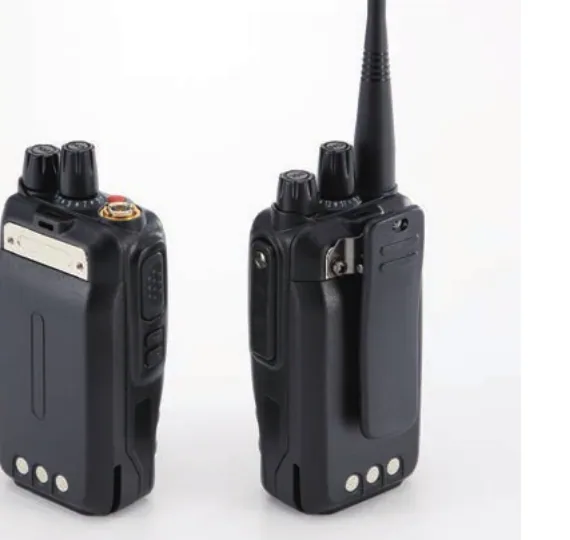
The Alinco DJ-VX11 is a waterproof VHF marine handheld radio rated IP67, offering 5W/2W/0.5W selectable output and around 230g weight including battery and antenna.
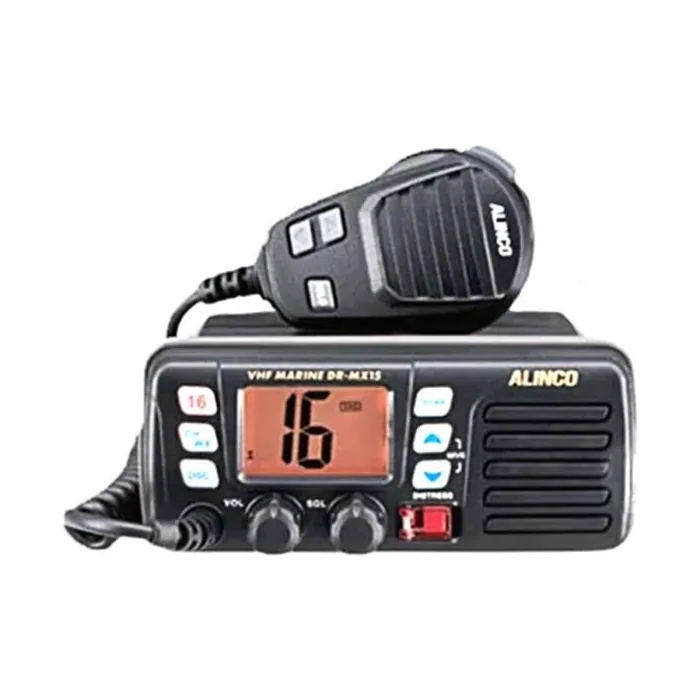
SPECIFICATIONS Frequency range Tx : 156.025-157.425MHz Rx : 156.050-163.275MHz Frequency stability ±10ppm Emission type FM (16K0G3E), DSC(16K0G2B) Antenna impedance 50 Ω Rated voltage 13.8V ±15% Current Consumption 1.5A (Max audio output) 5.5A (TX 25W)/ 1.5A…
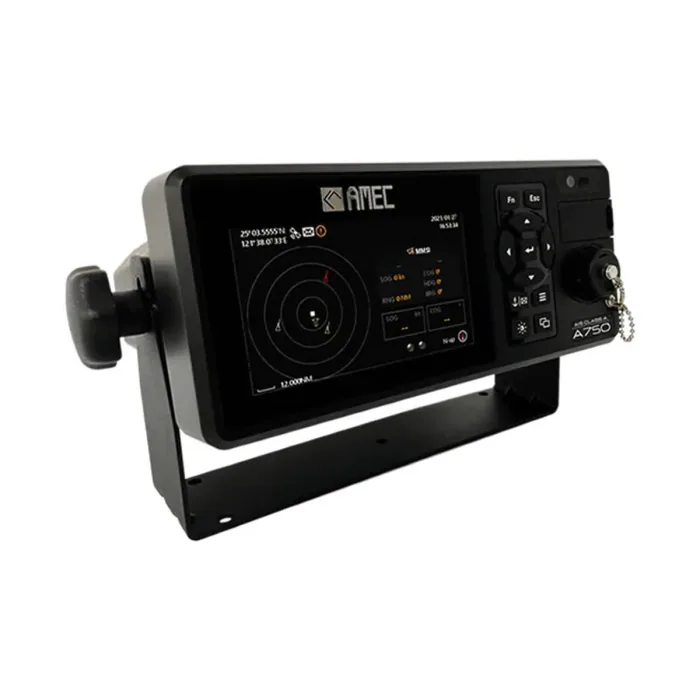
The futureproof and user-friendly AMEC A750 Key Features: Fully compliant with latest IMO, IEC, and ITU standards Certified for both SOLAS and Inland mode Color 4.3” sunlight readable LCD display Intuitive user-interface and operation Integrated Pilot Plug…
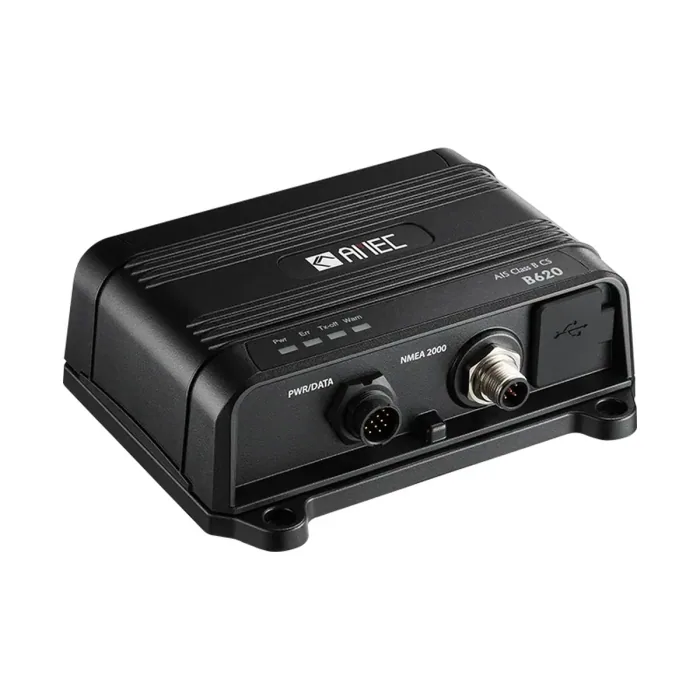
The AMEC B620 is a Class B CS AIS transceiver with NMEA 0183, NMEA 2000, and USB outputs, IP68 waterproofing, and 2W transmit power.
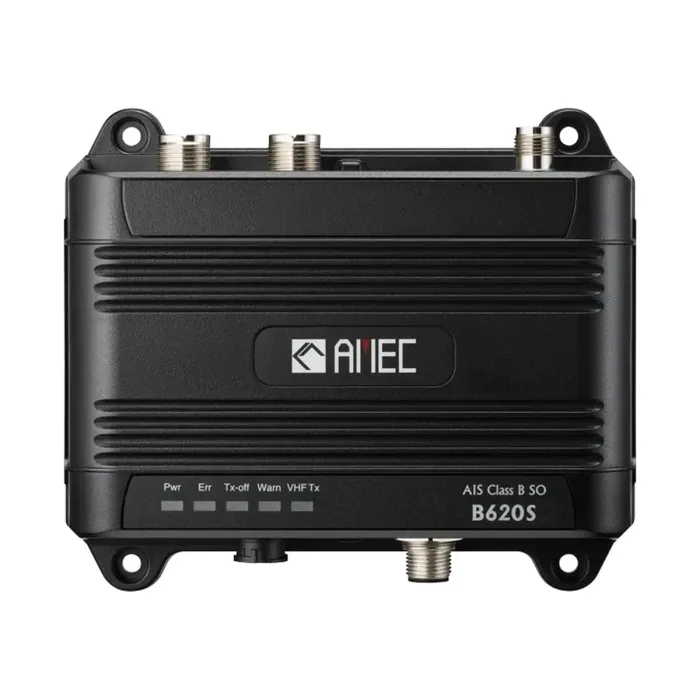
The AMEC B620S is a Class B CS AIS transceiver with an integrated VHF splitter alongside NMEA 0183, NMEA 2000, and USB outputs.
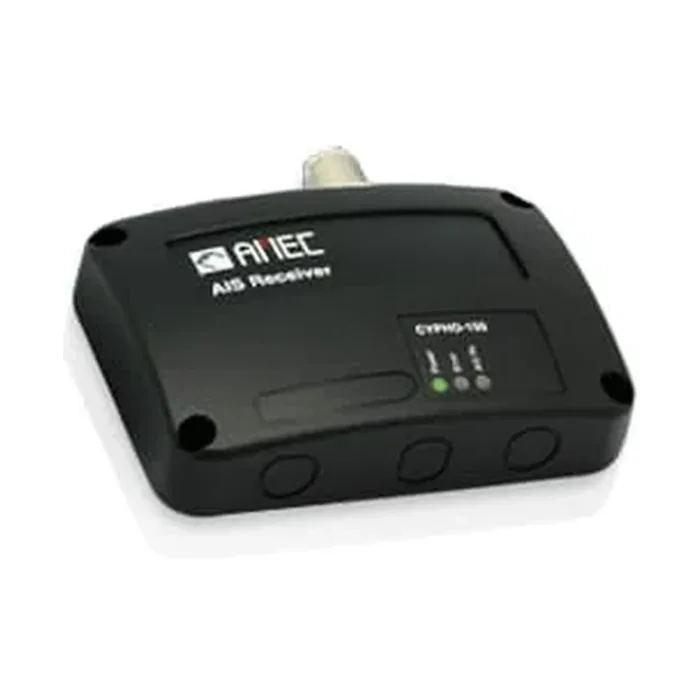
The AMEC CYPHO-150 is a dual-channel AIS receiver with NMEA 0183 and USB output for tracking nearby vessel traffic.
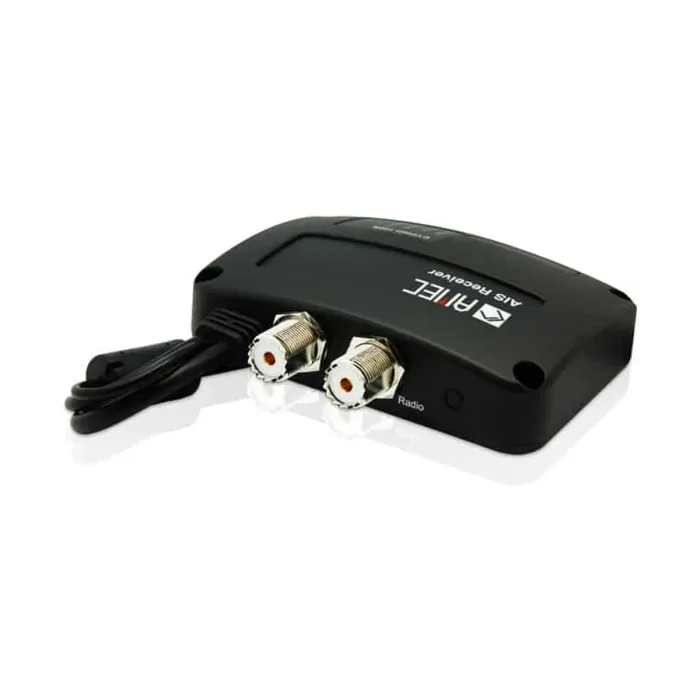
The AMEC Cypho-150S is a dual-channel AIS receiver with an integrated VHF radio pass-through, NMEA 0183, and USB output.
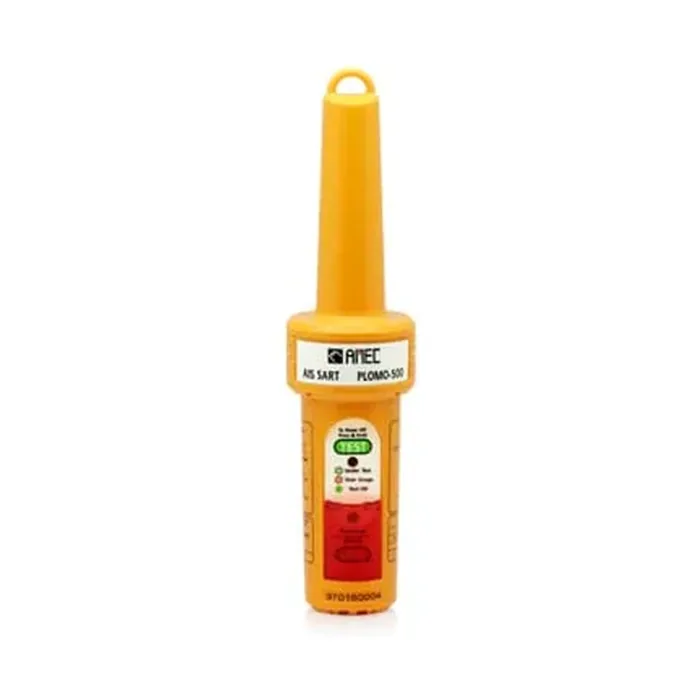
The AMEC Plomo 500 is a floating AIS Search and Rescue Transponder with a 96-hour minimum battery life and IEC 61097-14 certification.
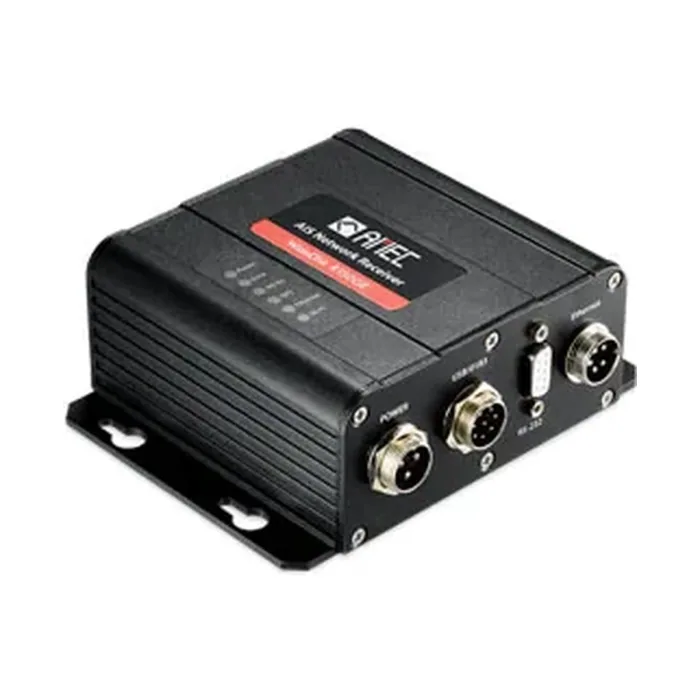
The AMEC R150GE WideLink is a dual-channel AIS receiver with NMEA 0183, RS-232, USB, and Ethernet outputs for shore-based or vessel monitoring installations.
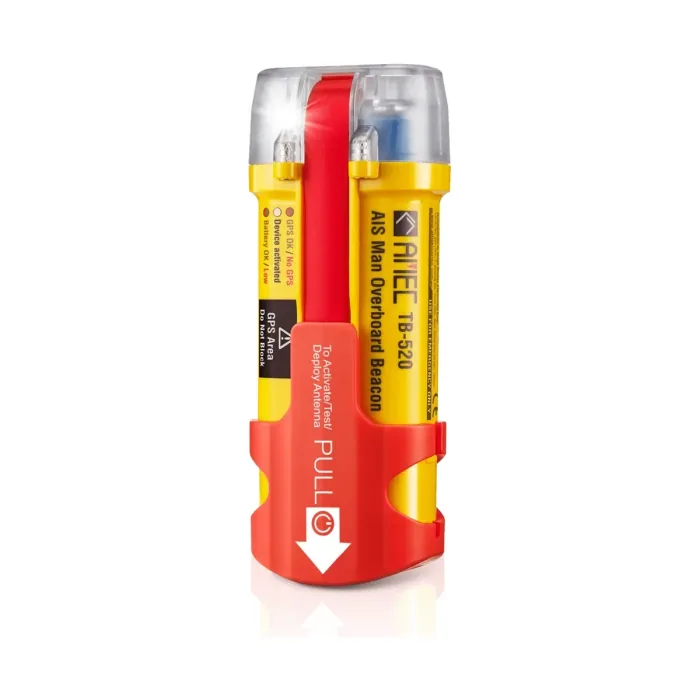
The AMEC TB520 is an AIS Man Overboard beacon with a 72-channel GPS receiver, 2W VHF transmitter, IP68 waterproofing, and immersion-activated alerting.
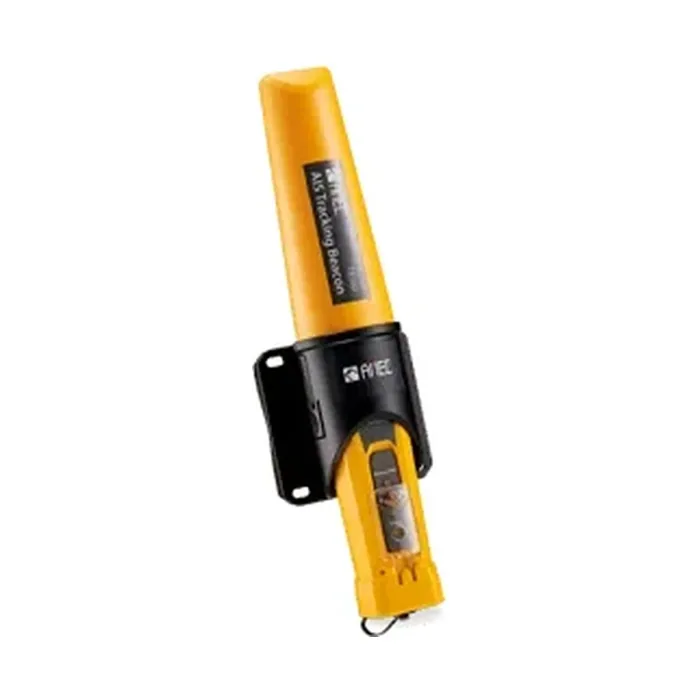
A simplified Class B AIS tracking beacon from AMEC with built-in VHF and GPS antennas, aimed at cost-effective vessel tracking for smaller craft.
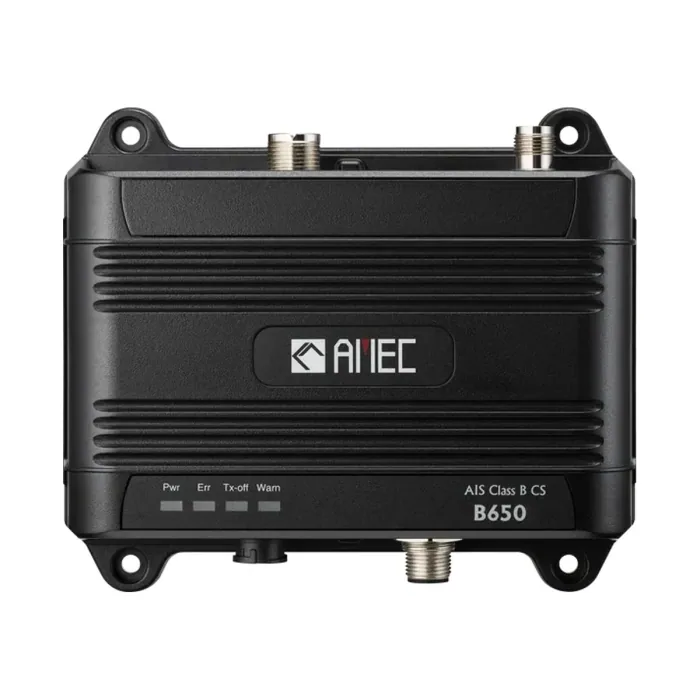
The AMEC WideLink B650 is a Class B SO AIS transponder with SOTDMA access, selectable 5W or 1W transmit power, and full NMEA 0183/2000 connectivity.
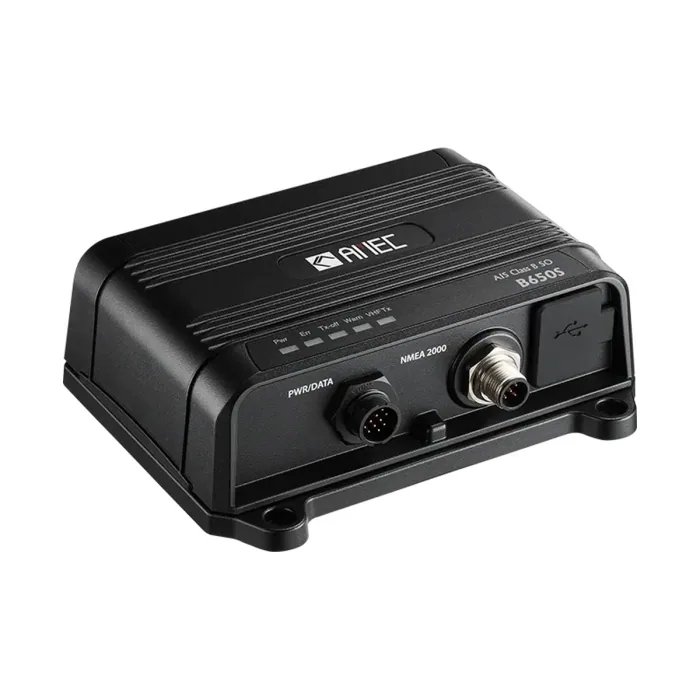
The AMEC WideLink B650S is a Class B SO AIS transponder with an integrated VHF splitter, SOTDMA access, and selectable 5W or 1W transmit power.
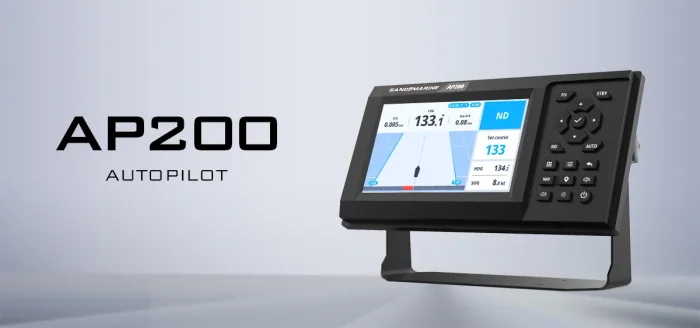
A 7-inch NMEA 0183 marine autopilot control head supporting waypoint navigation and multiple steering modes across hydraulic, chain, and solenoid valve boats.
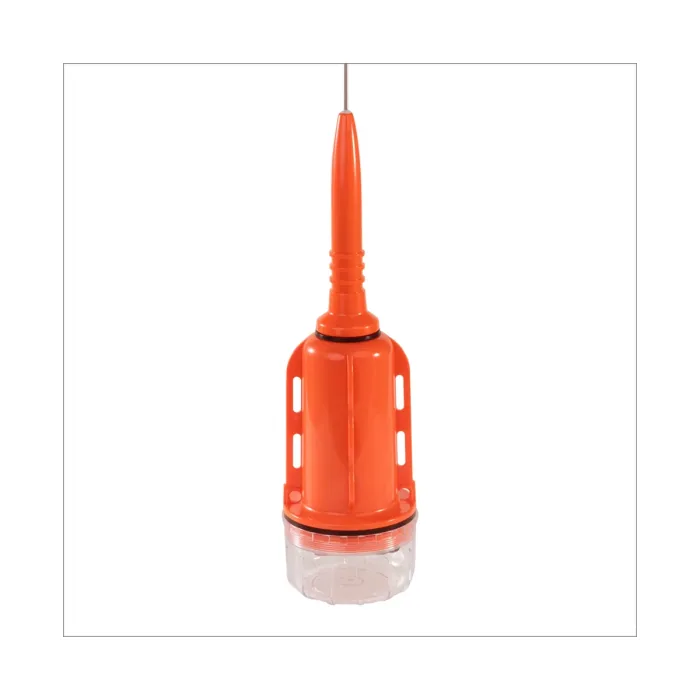
A compact AIS buoy tracker broadcasting on the marine AIS band with up to 20 days of runtime from its rechargeable Li-ion battery.
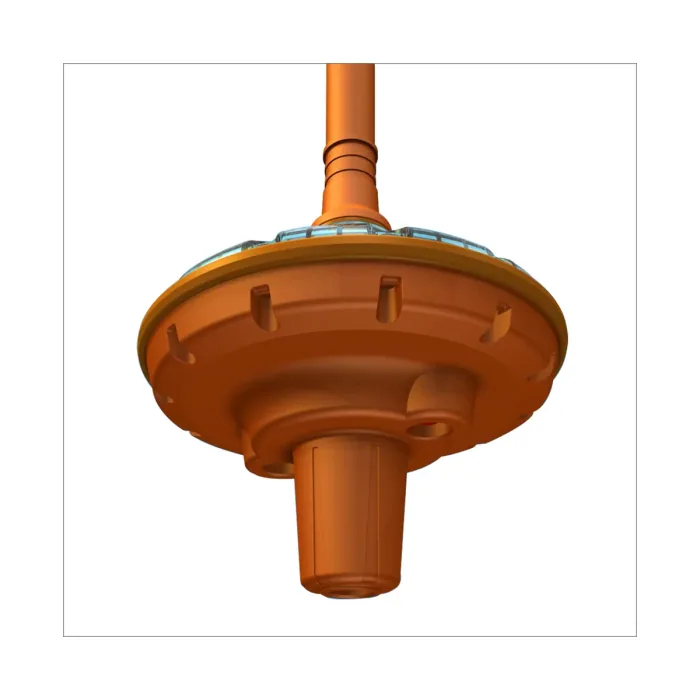
A larger AIS buoy tracker broadcasting on the marine AIS band with over a year of runtime from its rechargeable Li-ion battery.
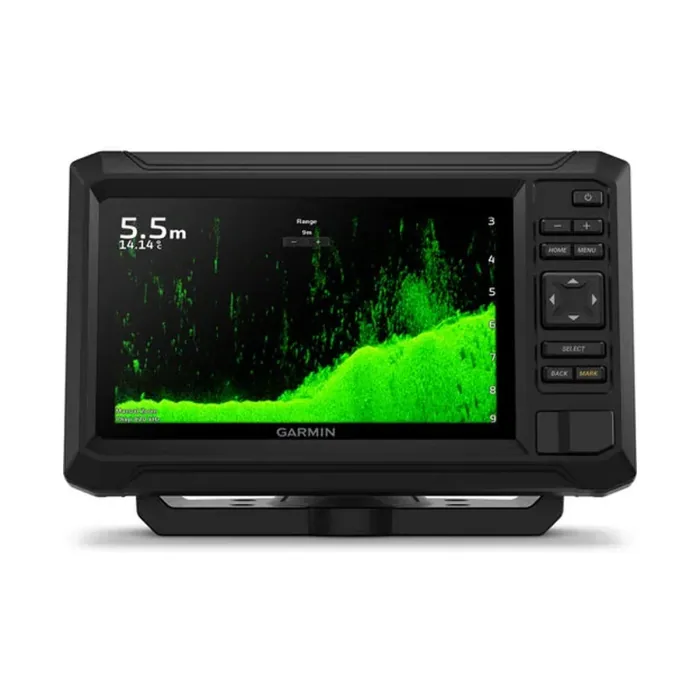
A 6.1-inch keyed-button fishfinder/chartplotter combo with built-in CHIRP sonar and ClearVu scanning for boats up to 32 GB of chart storage.
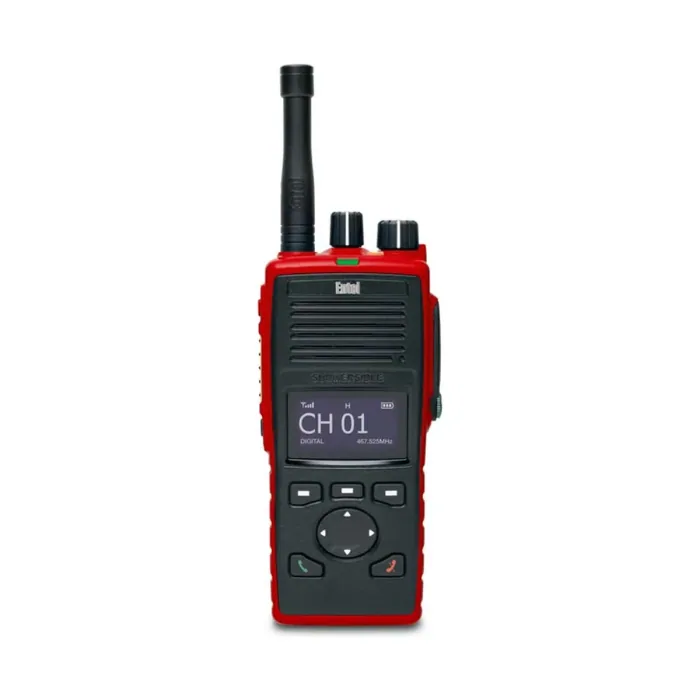
Key Features: Analogue & DMR Modes 99 Channels, 1 Zone IP68 Submersible (2m, 4 hours) Compliant to MILSTD construction 810C/D/E/F/G Easy to read, high contract white on black OLED display Display channel number & frequency Exceptionally loud & best clarity…
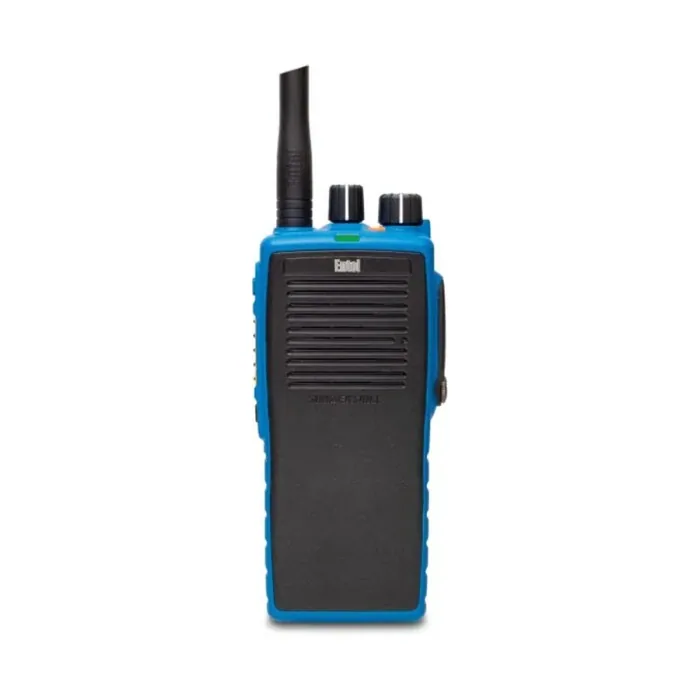
IECEx-certified marine VHF handheld for hazardous areas, with 16 channels, 4W output, IP68 waterproofing and 13.5 hours of battery life.
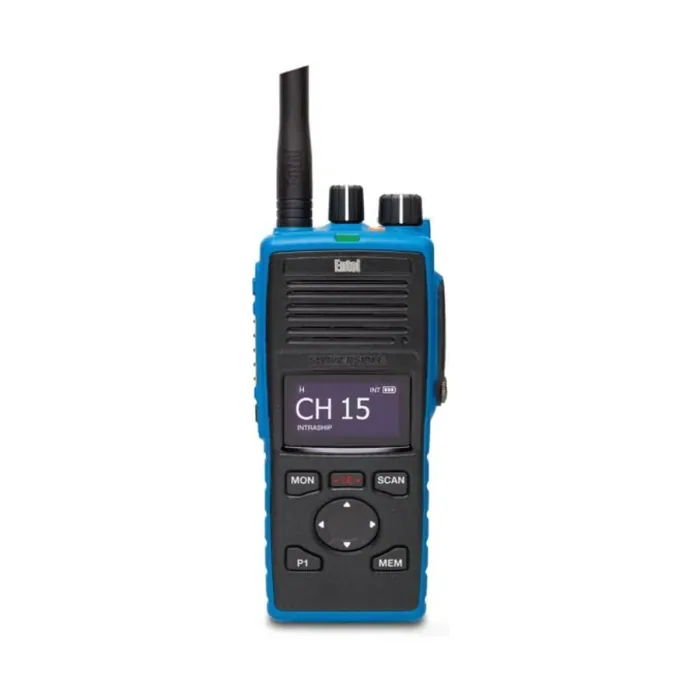
IECEx-certified marine VHF handheld for hazardous areas, with 4W output, IP68 waterproofing and 13.5 hours of battery life.
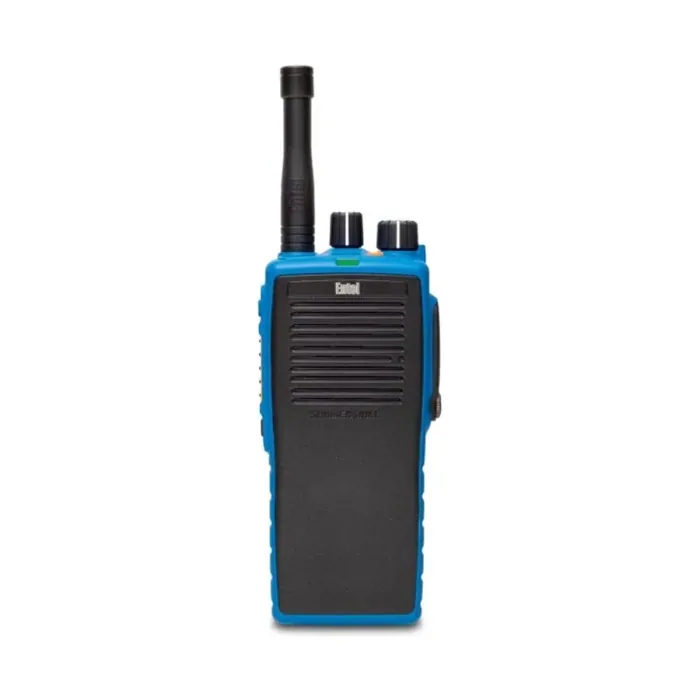
IECEx-certified UHF DMR handheld for hazardous areas, with 16 channels, 2W output, IP68 waterproofing and up to 19.5 hours of battery life.
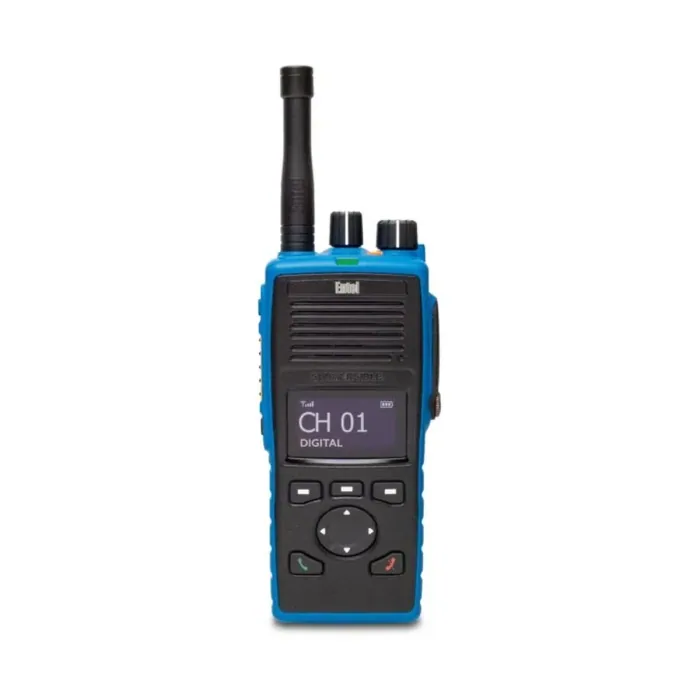
IECEx-certified UHF DMR handheld for hazardous areas, with 99 channels, 2W output, IP68 waterproofing and up to 19.5 hours of battery life.
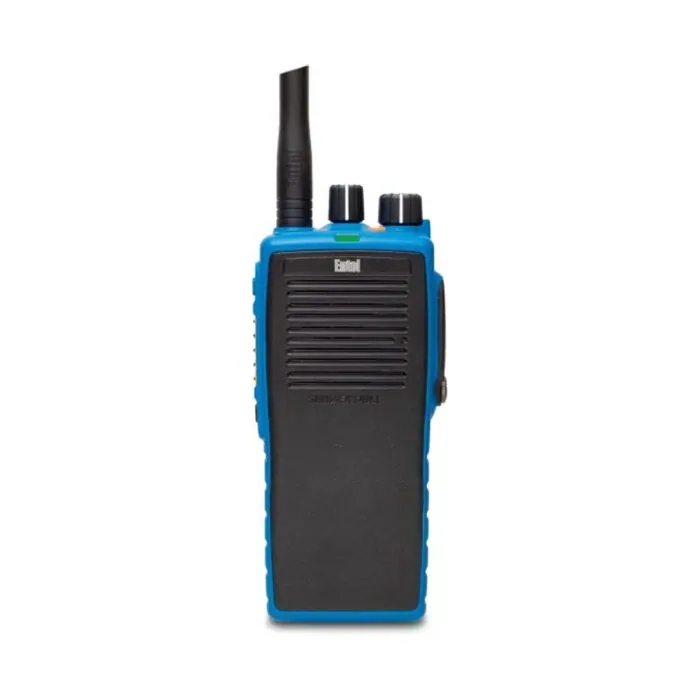
ATEX-certified marine VHF handheld for hazardous areas, with 16 channels, 4W output, IP68 waterproofing and 13.5 hours of battery life.
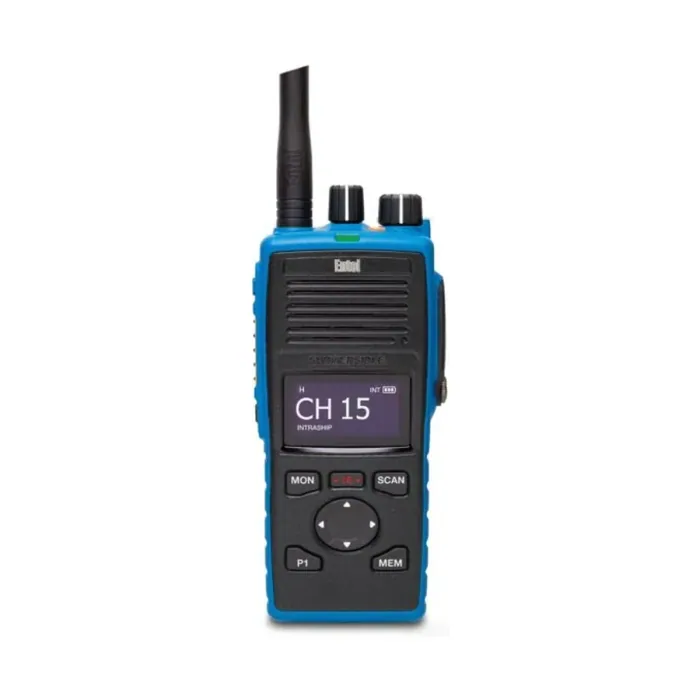
ATEX-certified marine VHF handheld for hazardous areas, with 4W output, IP68 waterproofing and 13.5 hours of battery life.
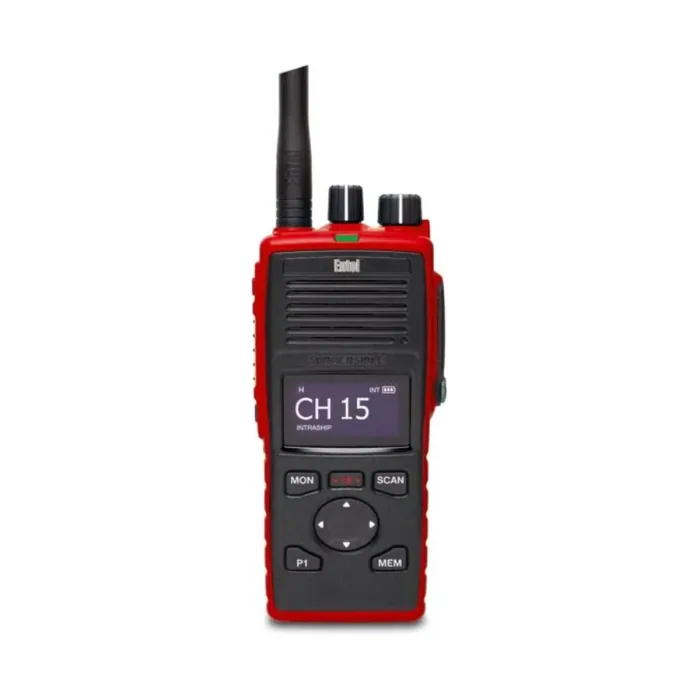
ATEX-certified marine VHF handheld for hazardous areas, with 4W output, IP68 waterproofing and 13.5 hours of battery life.
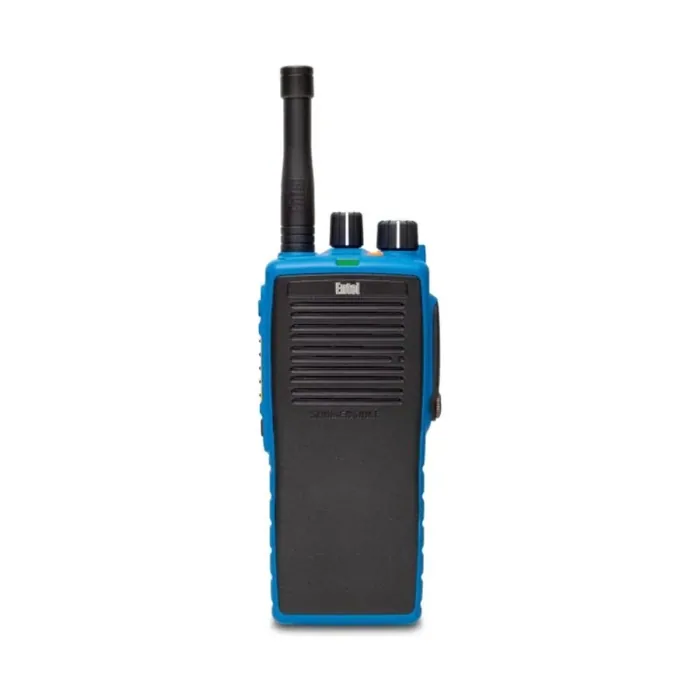
ATEX-certified UHF DMR handheld for hazardous areas, with 16 channels, 2W output, IP68 waterproofing and up to 19.5 hours of battery life.
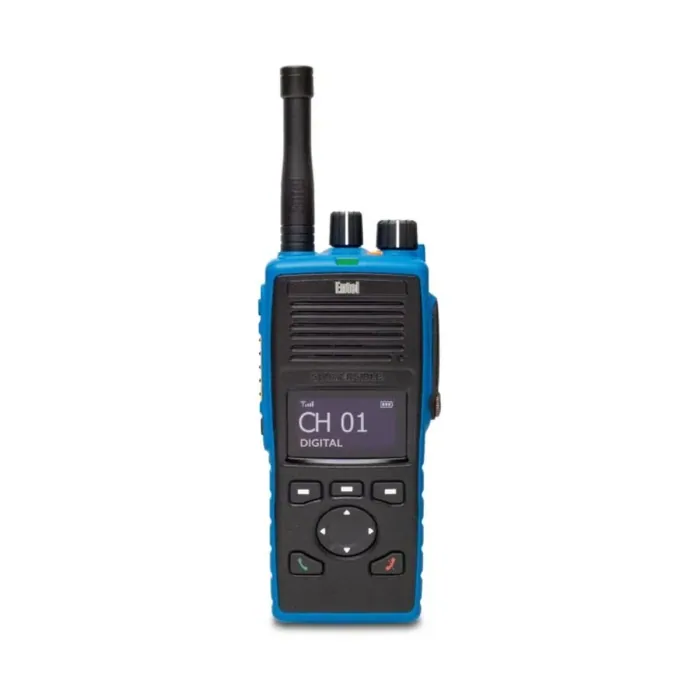
ATEX-certified UHF DMR handheld for hazardous areas, with 99 channels, 2W output, IP68 waterproofing and up to 19.5 hours of battery life.
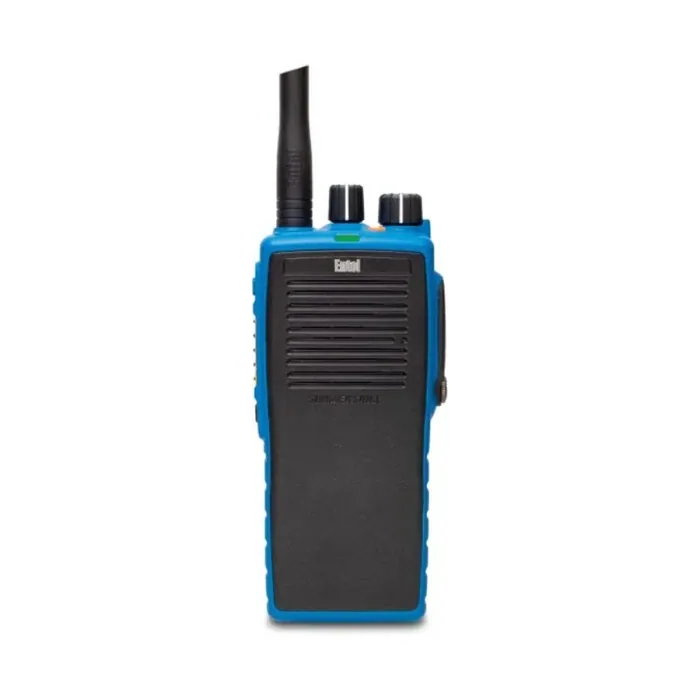
ATEX-certified marine VHF handheld for hazardous areas, with 16 channels, IP68 waterproofing and 16.5 hours of battery life.
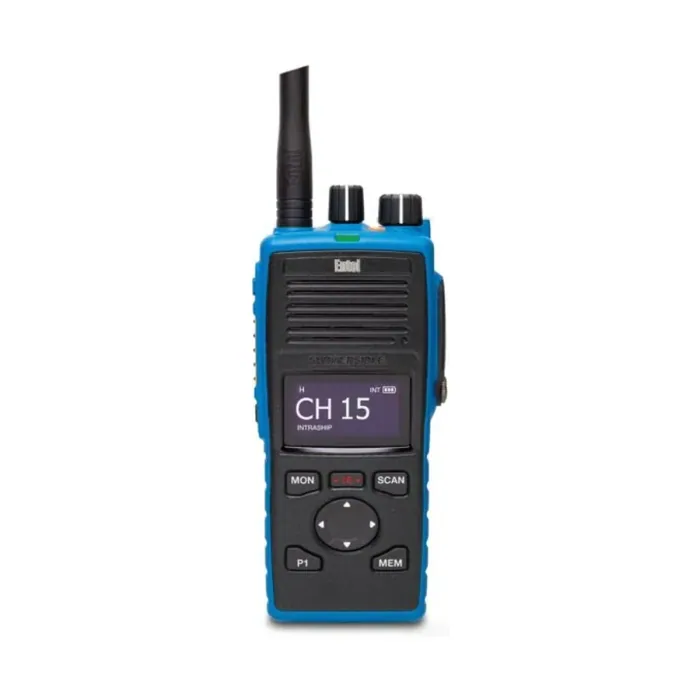
ATEX-certified marine VHF handheld for hazardous areas, with IP68 waterproofing and 16.5 hours of battery life.
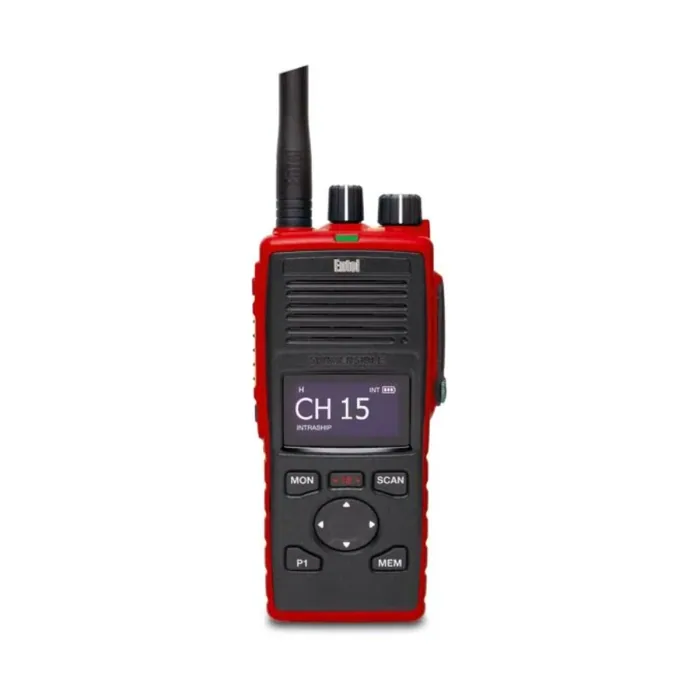
ATEX-certified marine VHF handheld for hazardous areas, with 4-digit channel support, IP68 waterproofing and 16.5 hours of battery life.
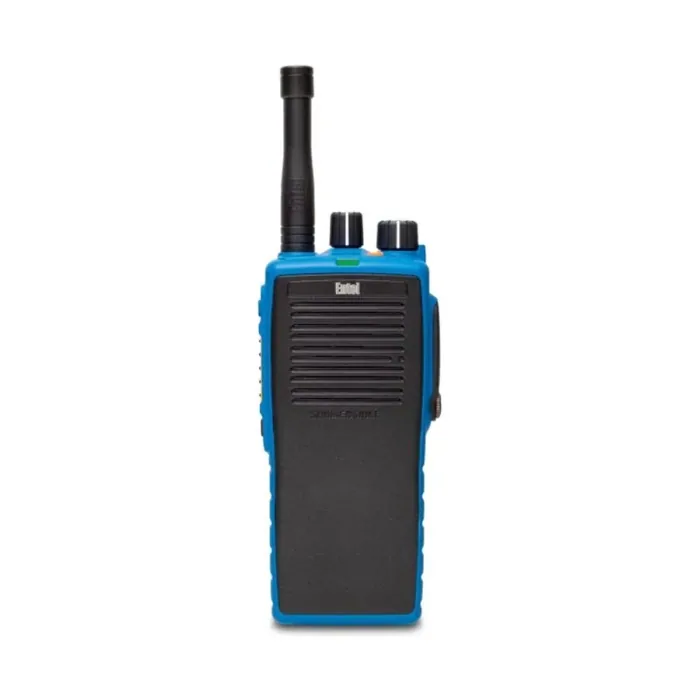
ATEX II 2G Ex ib IIC T4 Gb certified UHF DMR handheld for hazardous areas, with 16 channels, IP68 waterproofing and up to 19.5 hours of battery life.
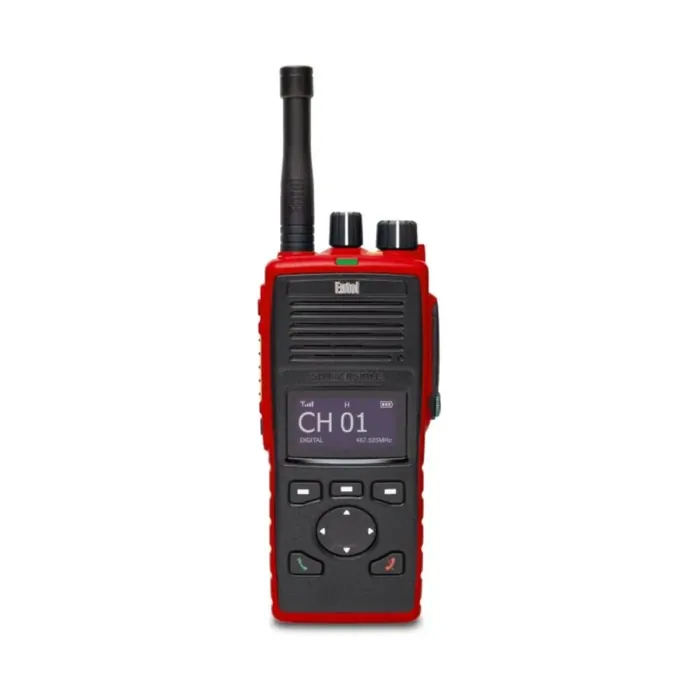
ATEX-certified UHF marine handheld for hazardous areas, with analogue/DMR operation, IP68 waterproofing and up to 19.5 hours of battery life.
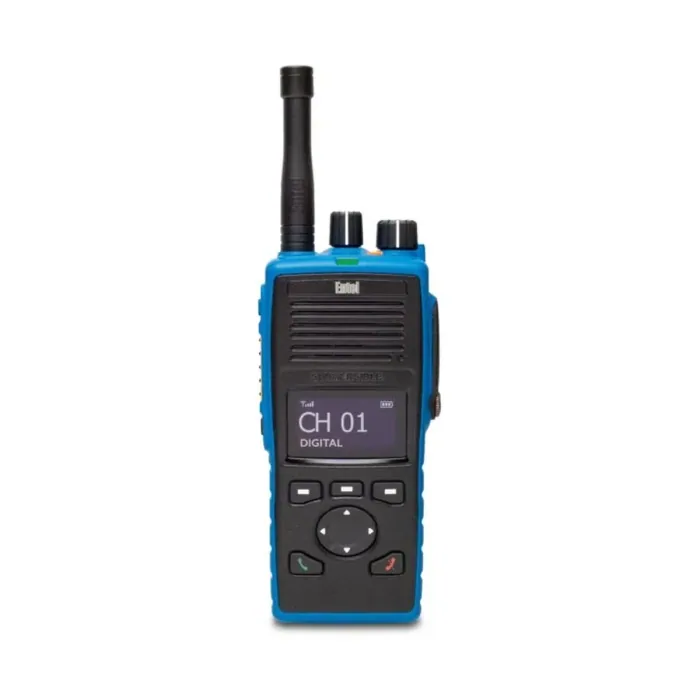
ATEX-certified UHF DMR handheld for hazardous areas, with 99 channels, IP68 waterproofing and up to 19.5 hours of battery life.
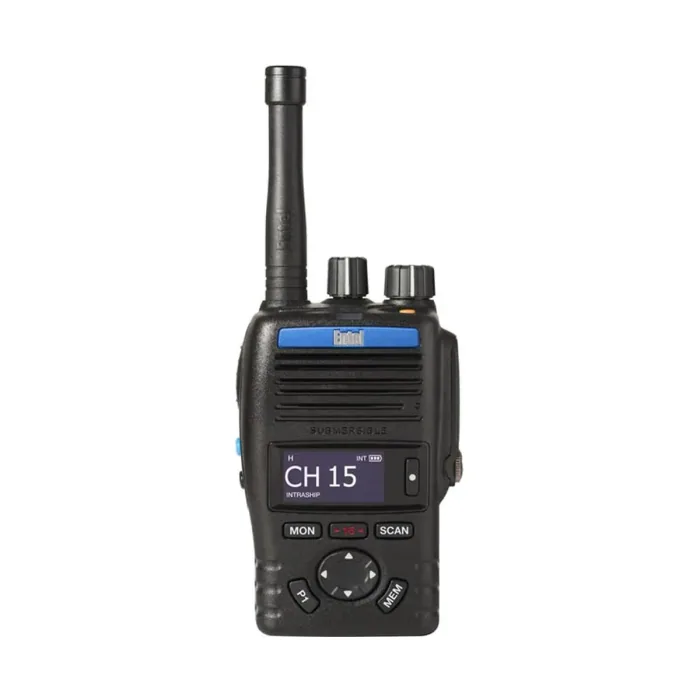
Key Features: All Marine VHF Channels (INT, USA, CAN) Displays marine channel number & channel name IP68 Submersible (2m, 4 hours) Compliant to MILSTD construction 810C/D/E/F/G Salt Water anti-corrosion chassis coating 3 watts loudest & best clarity audio –…
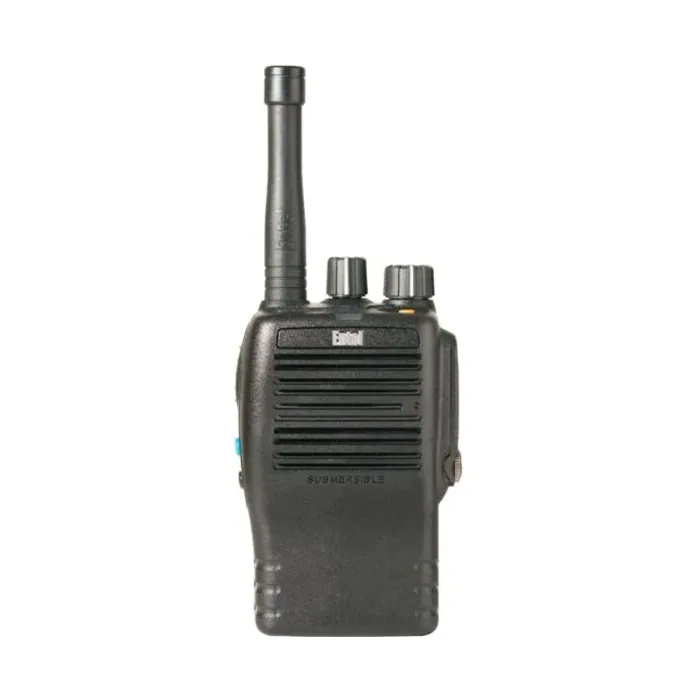
UHF DMR/analogue handheld radio with 16 channels, IP68 waterproofing and up to 24 hours of digital-mode battery life.
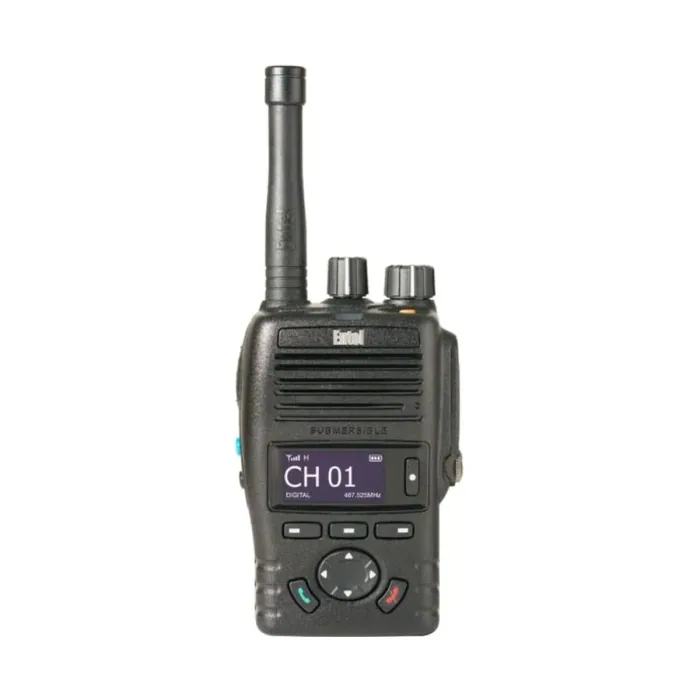
UHF DMR/analogue handheld radio with 99 channels, IP68 waterproofing, MIL-STD-810 ruggedness, and up to 24 hours of digital-mode battery life.
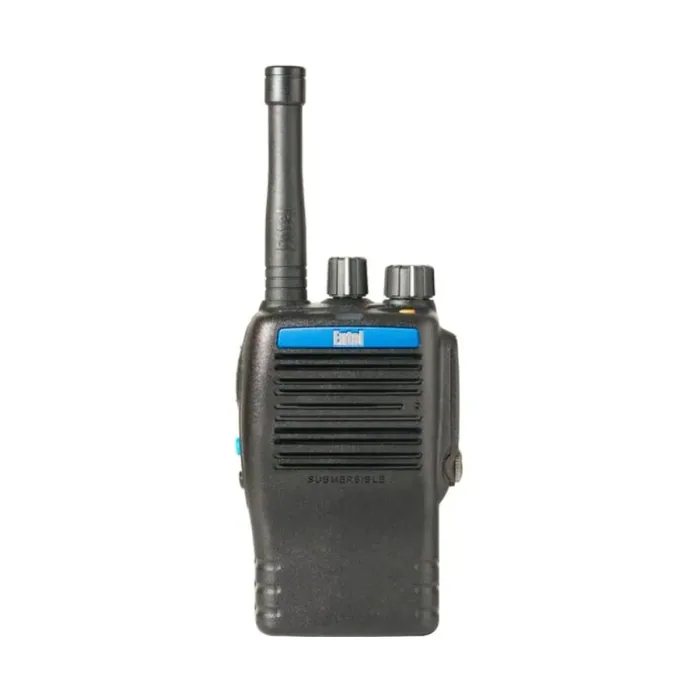
Intrinsically safe marine VHF handheld certified to UL913 for hazardous-area use, with 5W output, IP68 waterproofing and a dedicated IS-rated battery.
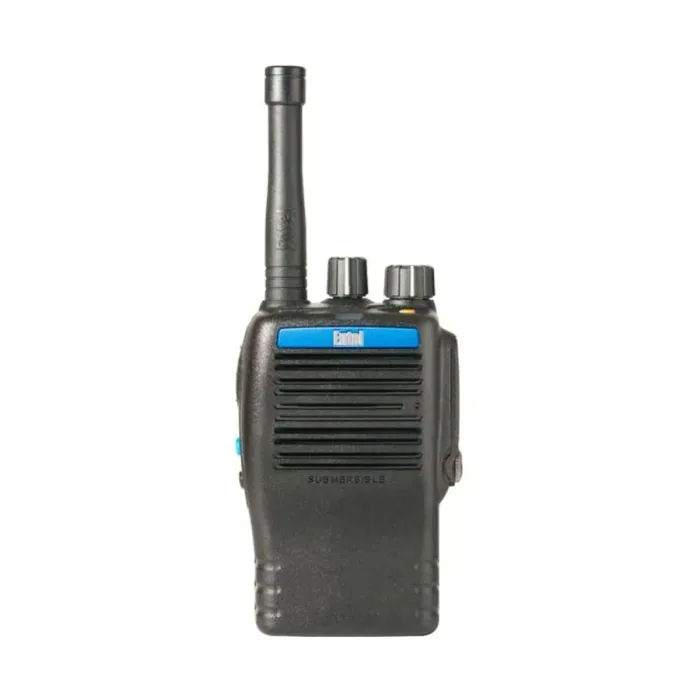
UHF DMR/analogue handheld radio with 16 channels, 4W output, IP68 waterproofing and up to 21 hours of digital-mode battery life.
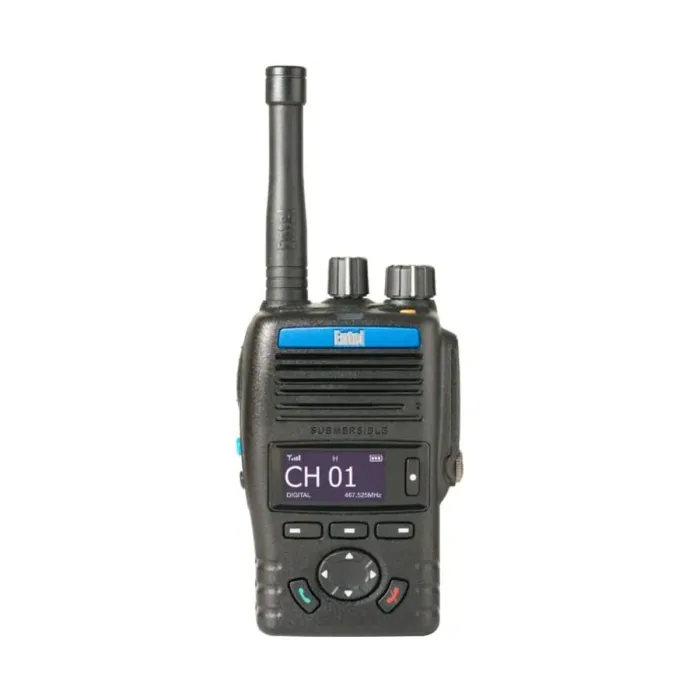
UHF DMR/analogue handheld radio with 99 channels, 4W output, IP68 waterproofing and up to 21 hours of digital-mode battery life.
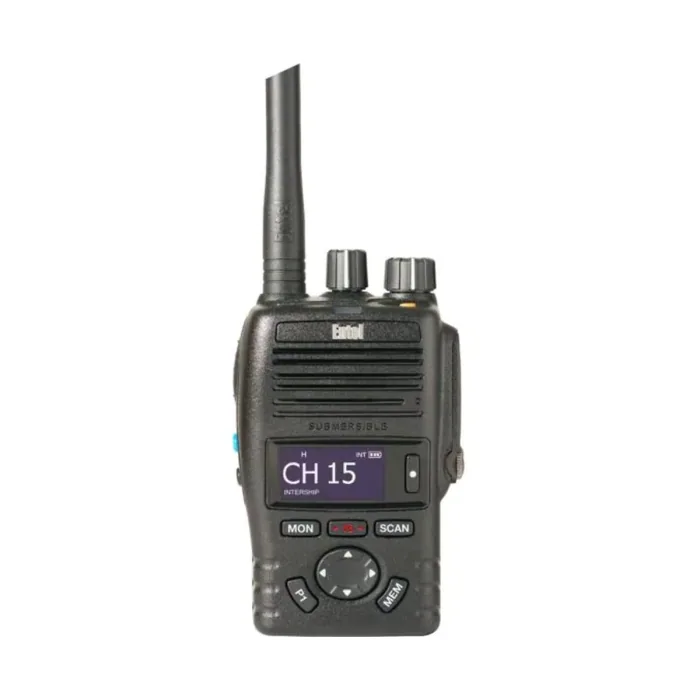
Marine VHF handheld with ATIS signalling for inland European waterways, 5W output, IP68 waterproofing and a 2200mAh battery.
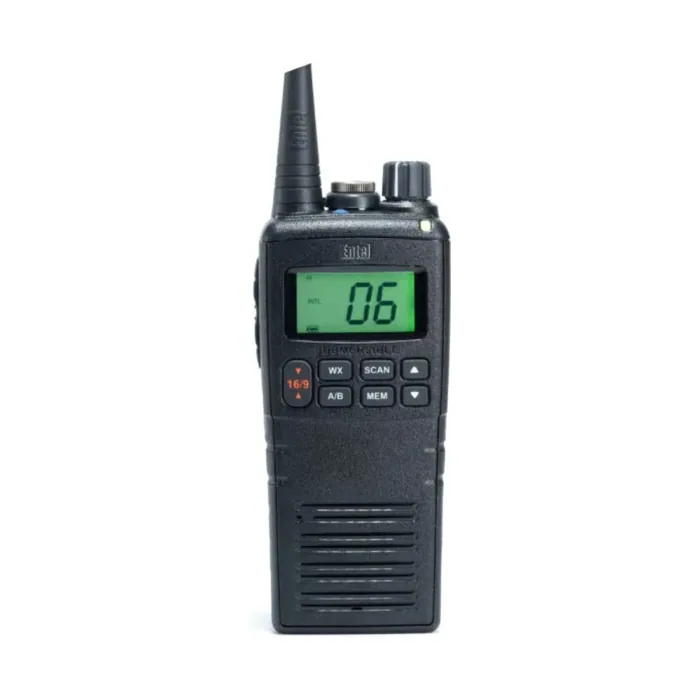
Marine VHF handheld radio covering 156-163.275MHz with all INT/USA/CAN channels, 5W output, IP68 waterproofing and a 2200mAh battery rated for 14.5 hours.
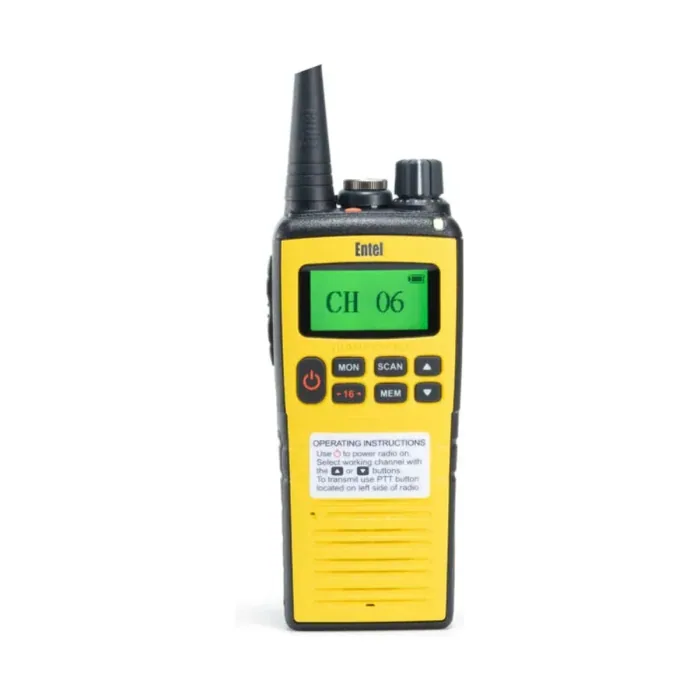
GMDSS marine VHF handheld with 19 preset channels, low-power (<1W ERP) transmission, and a primary lithium battery for 17.5 hours of standby-ready operation.
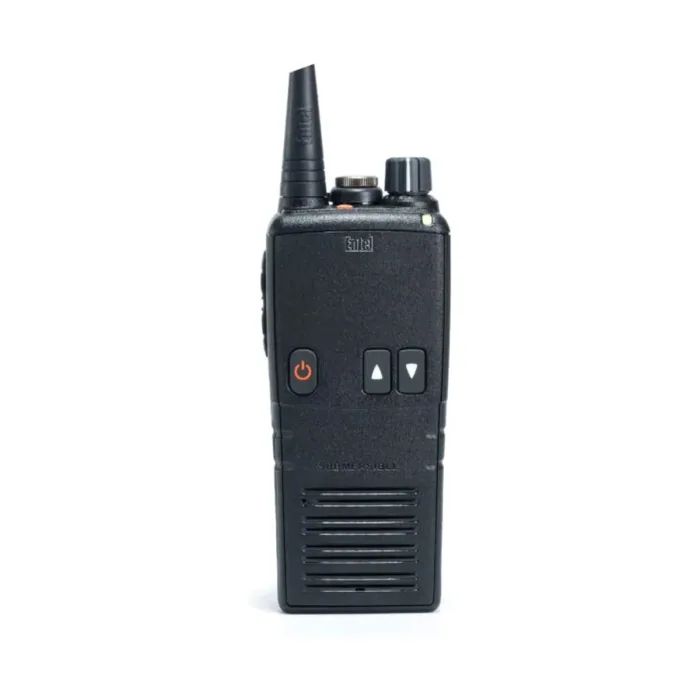
UHF handheld radio with up to 255 channels (LCD model), 2W output, IP68 waterproofing and 17.5 hours of battery life.
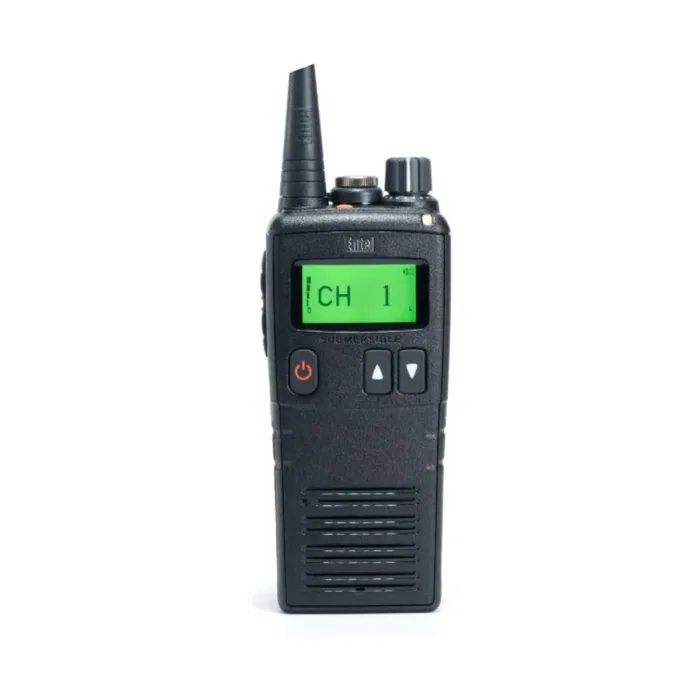
UHF handheld radio with up to 255 channels (LCD model), 2W output, IP68 waterproofing and 17.5 hours of battery life.
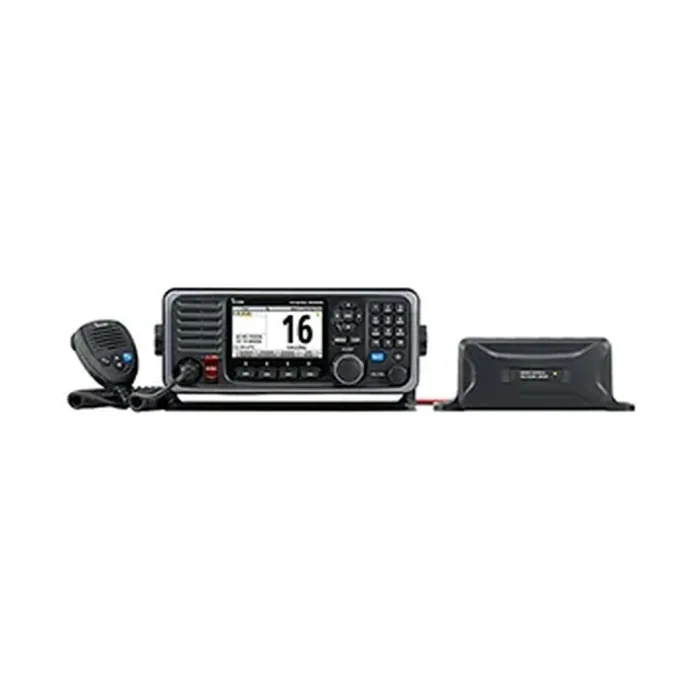
VHF Mobile Transceivers Key Features: GMDSS VHF Radio with Class A DSC Meets MED "Wheel Mark" Requirements Meets ITU-R M.493-13 DSC 4.3 inch Wide Viewing Angle Colour TFT LCD Provides Loud, Clear Audio Intuitive User Interface DC-DC Converter PS-310
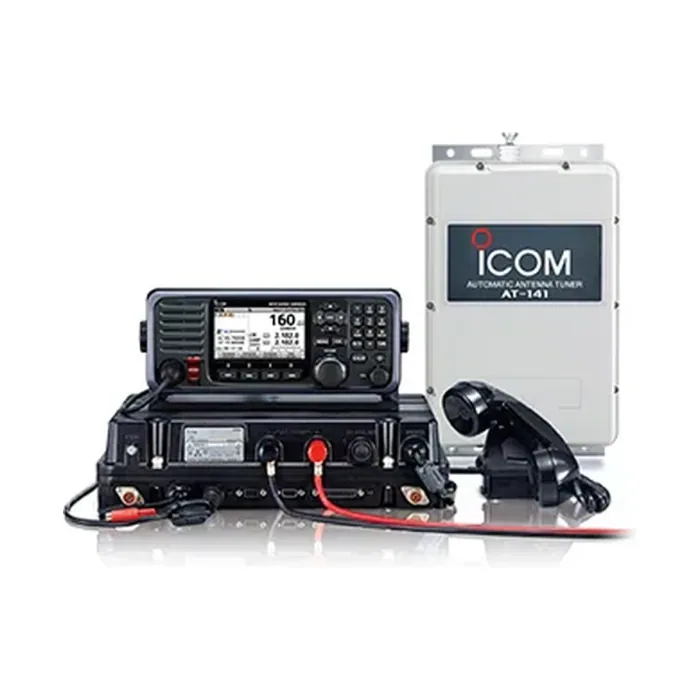
MF/HF Transceiver Key Features: Satisfies SOLAS Carriage Requirements Meets Strict Environmental Requirements Meets ITU-R M.493-13 DSC 4.3 inch Wide Viewing Angle Colour Display Provides Loud, Clear Audio Unified Design User Interface
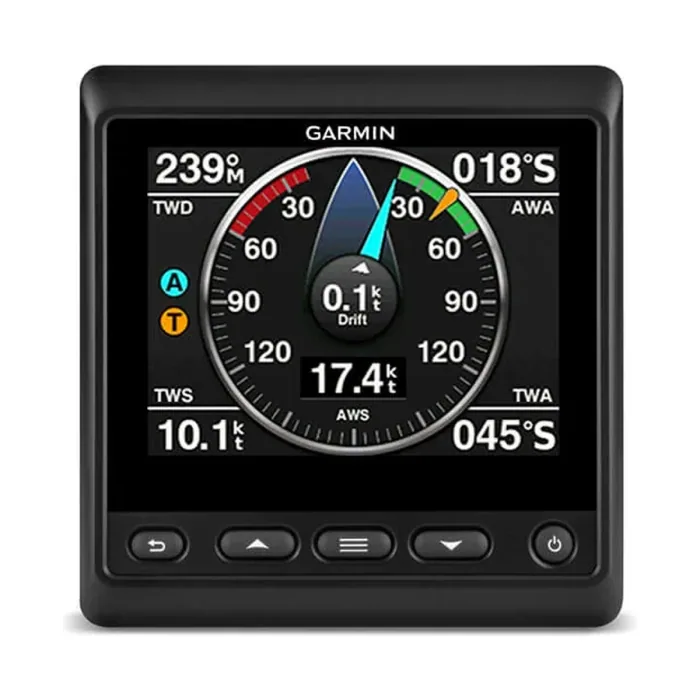
A compact NMEA 2000 marine instrument display for engine, navigation, and environmental data, housed in a gasketed, IPX7-rated case.
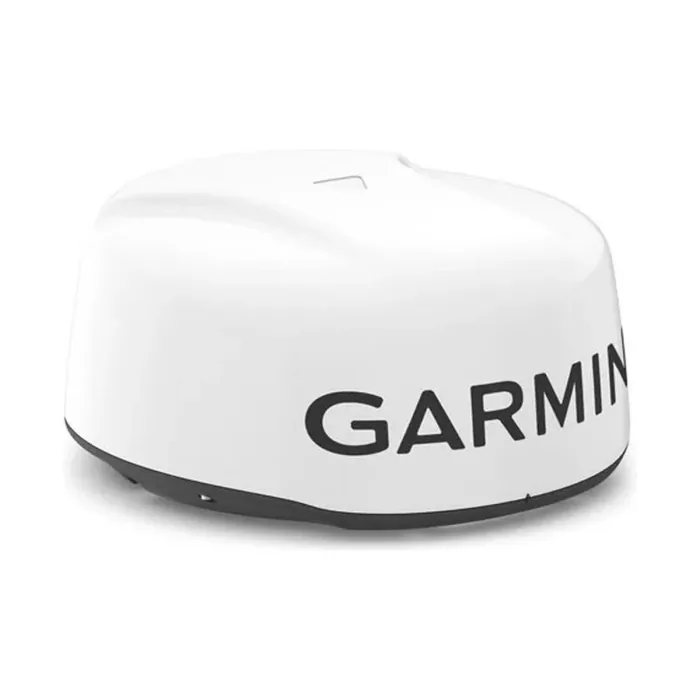
A 17-inch radome marine radar with a 48 nm maximum range, 4 kW transmit power, and MARPA target tracking when paired with a heading sensor.
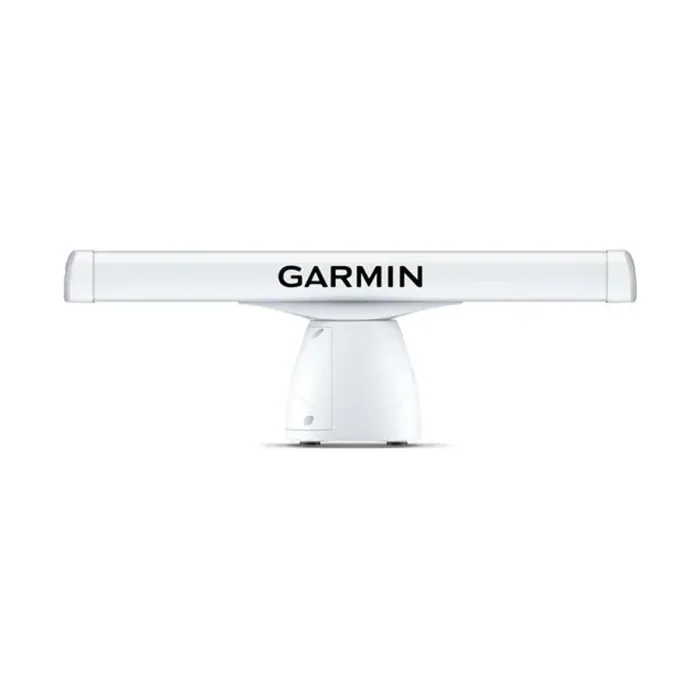
An open-array marine radar delivering up to 72 nm range and 4 kW peak transmit power with 24 or 48 rpm antenna rotation.
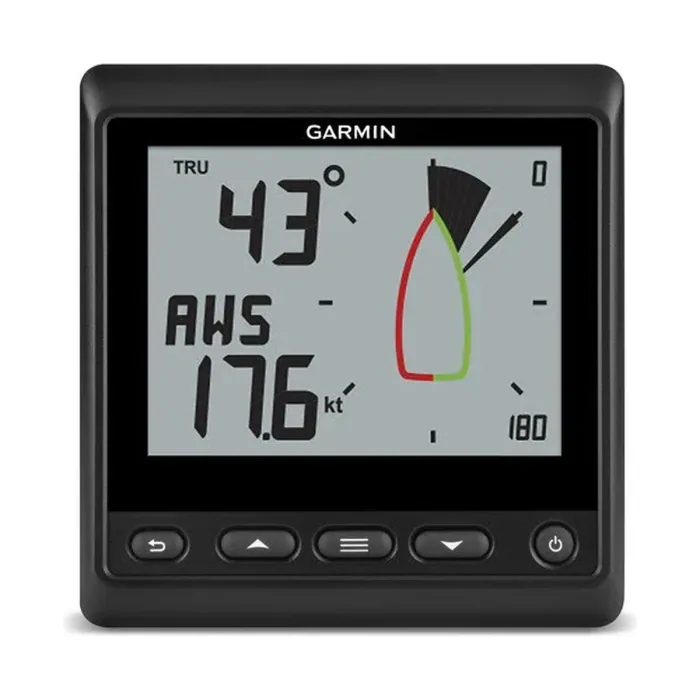
A compact NMEA 2000 wind display for sailboats, built into a gasketed, IPX7-rated polycarbonate housing.
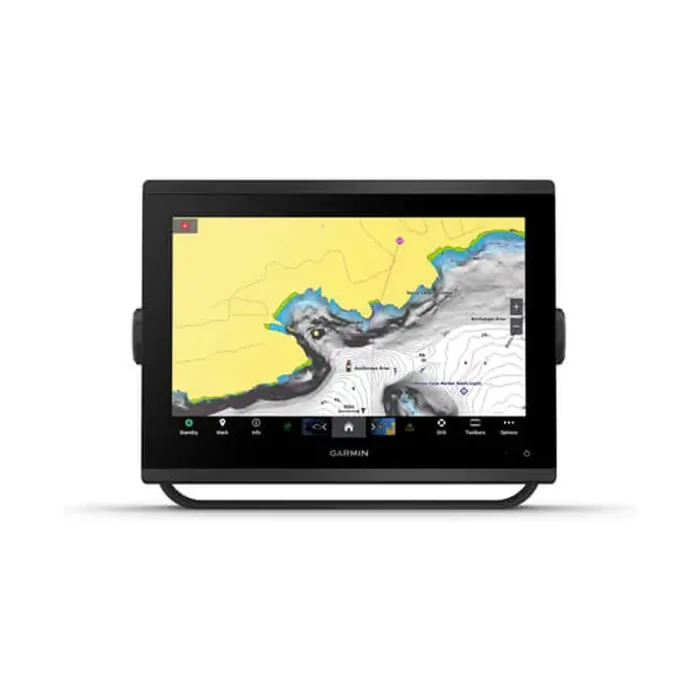
A 12.1-inch touchscreen marine multi-function display with built-in 1 kW CHIRP sonar, ClearVu/SideVu scanning, and HDMI video output for the helm.
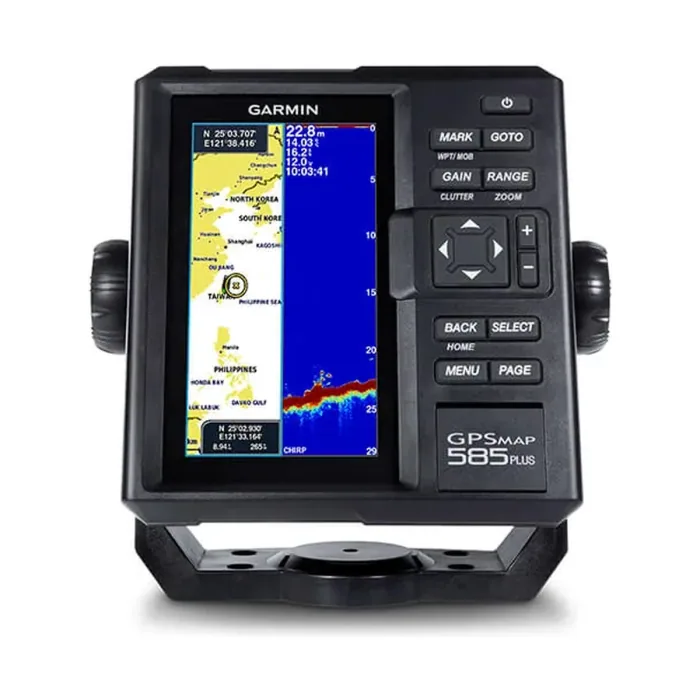
Find fishing spot, Catch fish with the Power of Garmin CHIRP Key Features: The Power of Garmin CHIRP Clearest Scanning Sonar on the Water With the Best Maps on the Water Supporting Quickdraw Contours: Create Your Own HD Maps Compatible with GPS, GLONASS and…
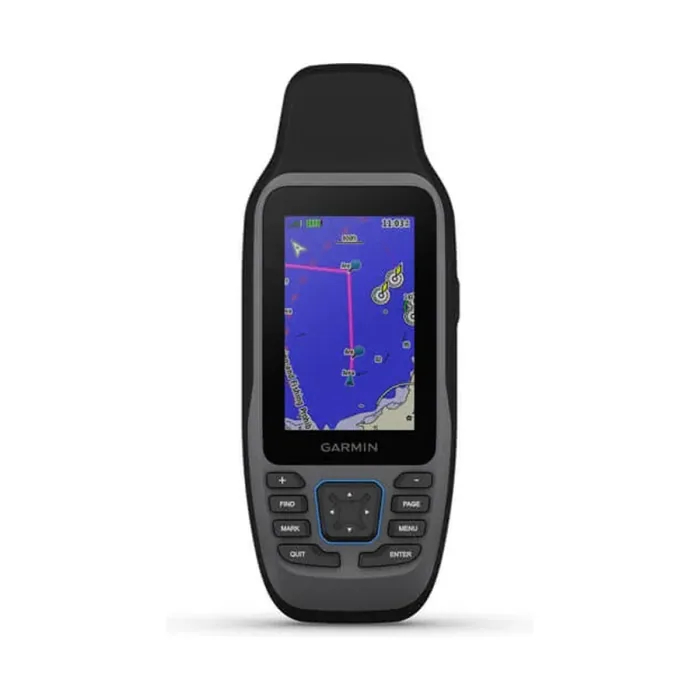
A floating, AA-battery-powered handheld marine GPS rated for up to 19 hours of runtime and IPX7 water resistance.
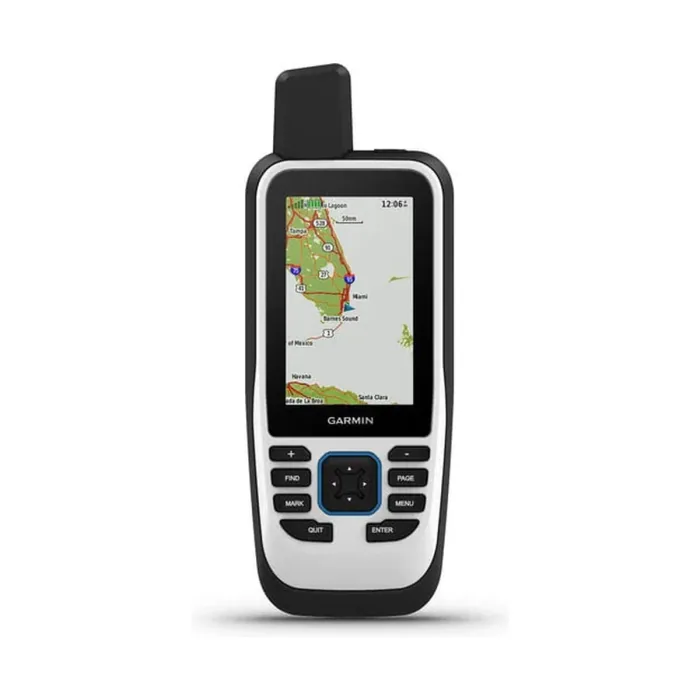
A handheld marine GPS with an internal rechargeable lithium-ion battery rated for up to 40 hours of use, or 200 hours in expedition mode.
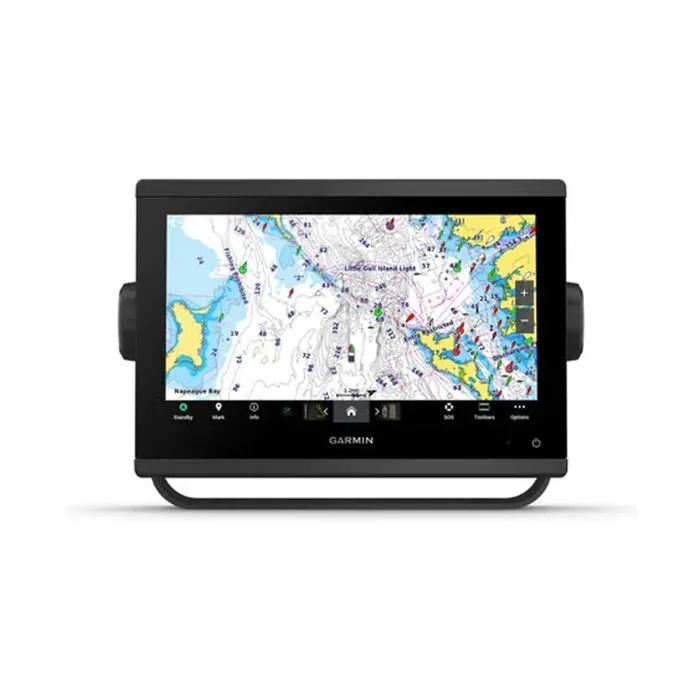
A 9-inch touchscreen marine multi-function display combining GPS/GLONASS/Galileo positioning with built-in 1 kW CHIRP sonar, ClearVu and SideVu scanning.
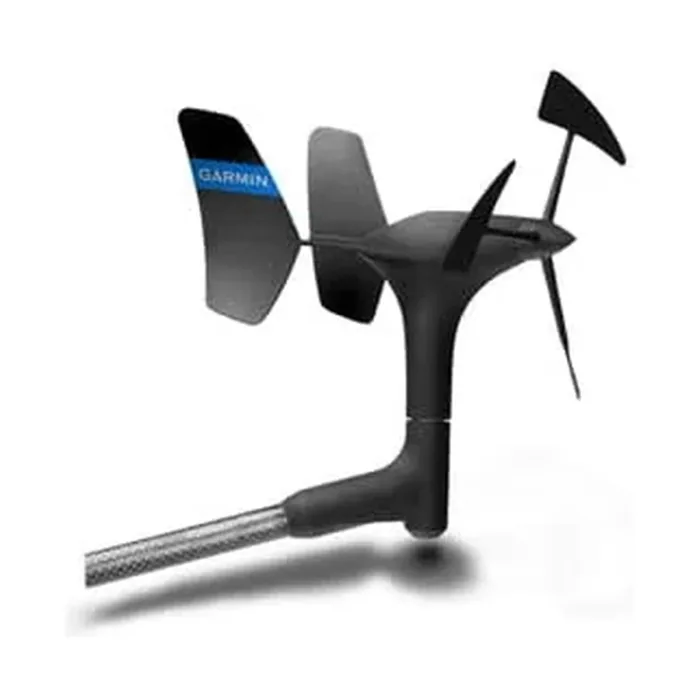
A mast-mounted, wired wind transducer measuring wind speed from 0.8 to 90 knots, with a 25 meter cable and IPX6 water resistance.
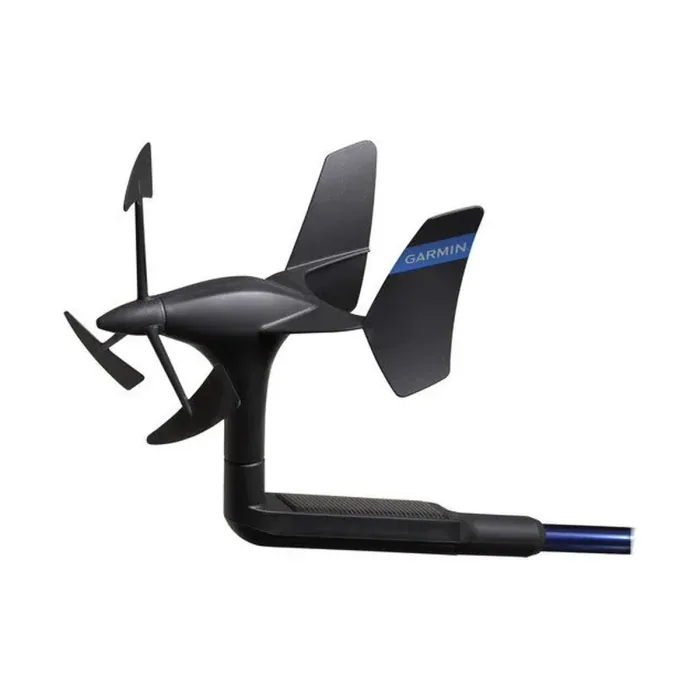
A wireless, mast-mounted wind transducer measuring wind speed from 0.9 to 90 knots without a run of cable to the helm.
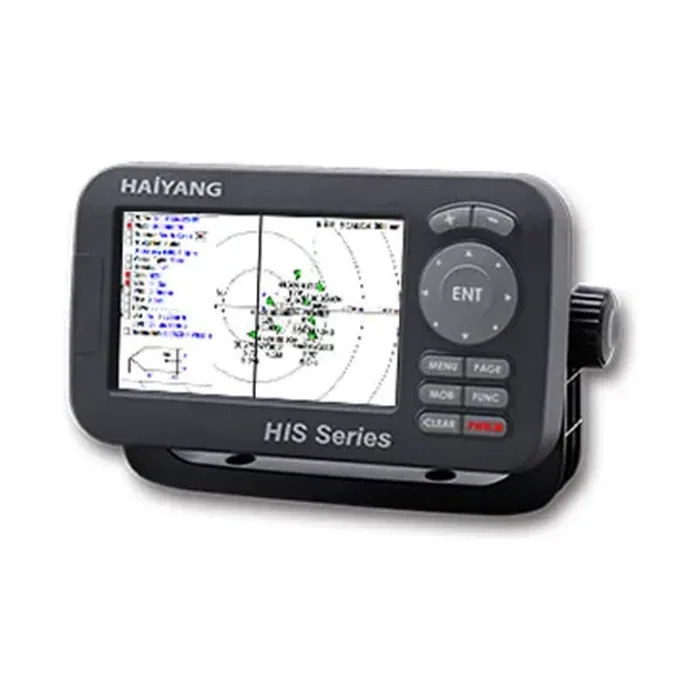
Features: 5 inch Color WVGA LCD display Easy operation Background Map AIS COMPATIBILITY AIS label Window PDF Brochure
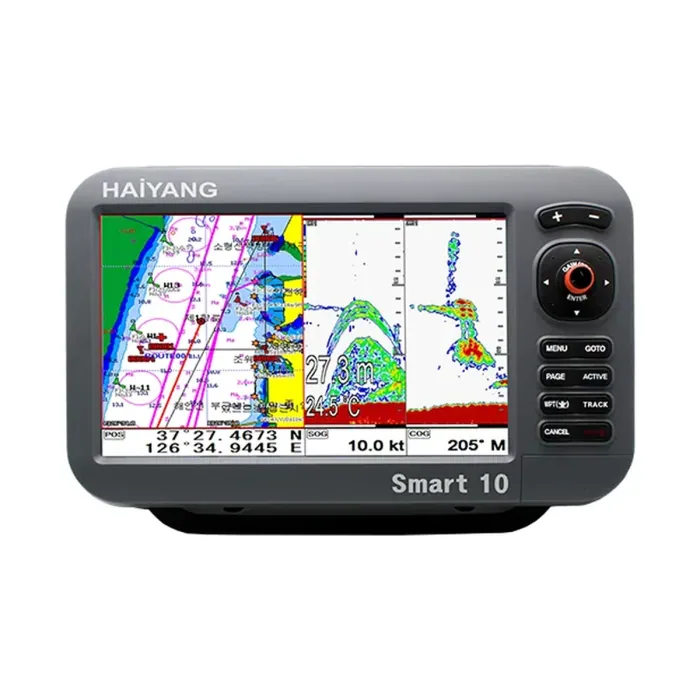
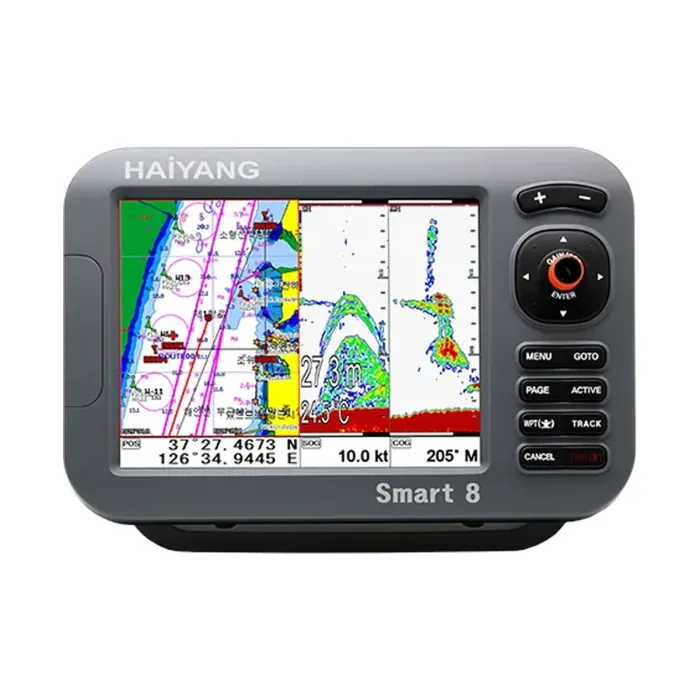
The Haiyang HD 880 CF is an 8-inch SVGA chartplotter/fishfinder combo with multi-constellation GNSS and IMO Resolution MSC.112(73) compliance.
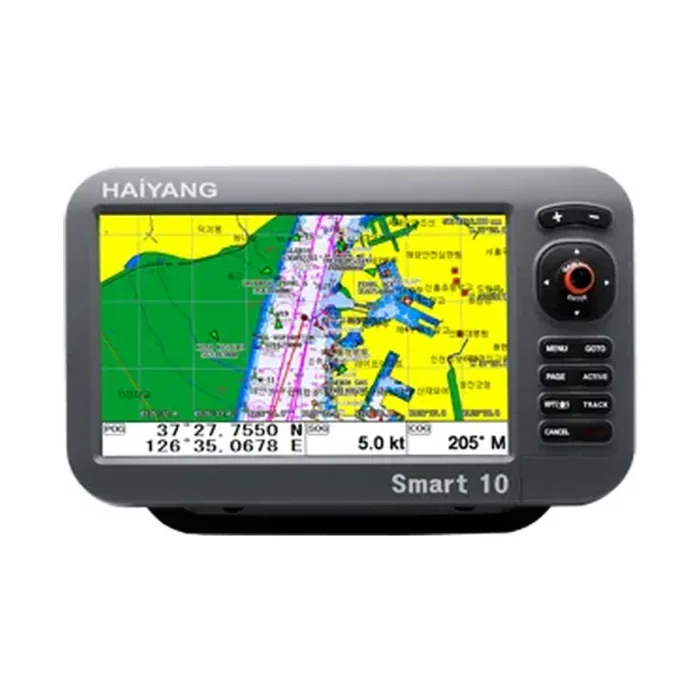
The Haiyang HD-1000C is a 10.4-inch chartplotter with multi-constellation GNSS positioning and IMO Resolution MSC.112(73) compliance, built for larger-vessel bridge displays.
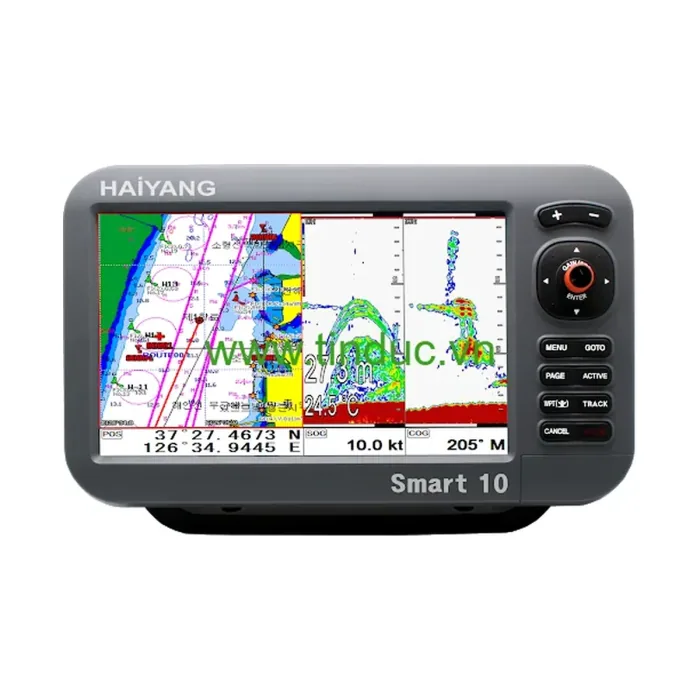
The Haiyang HD-1000CFA is a 10.4-inch WVGA fishfinder/GPS combo with dual-frequency 50/200 kHz sounding up to 1.5kW, multi-constellation GNSS, and IMO Resolution MSC.112(73) compliance.
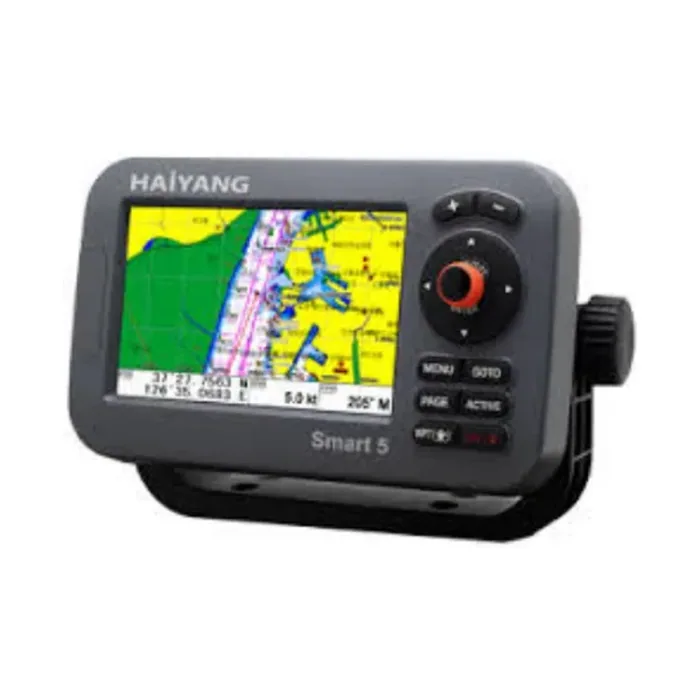
The Haiyang HD-50CF is a 5-inch color LCD fishfinder/GPS combo with dual-frequency 50/200 kHz sounding, up to 1.5kW output, and a multi-constellation GPS/GLONASS/Galileo receiver compliant with IMO Resolution MSC.112(73).
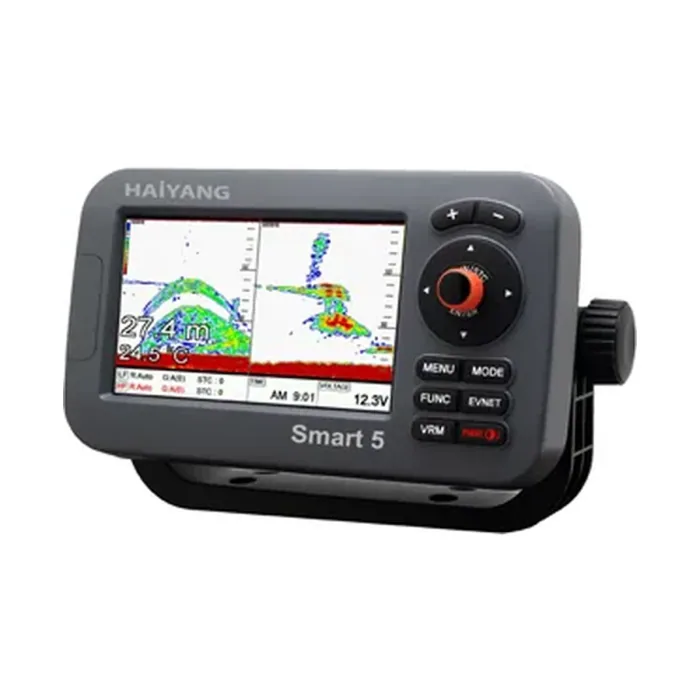
The Haiyang HD-50F/CF is a 5-inch color LCD fishfinder with dual-frequency 50/200 kHz sounding and up to 600W output, compliant with IMO Resolution MSC.112(73).
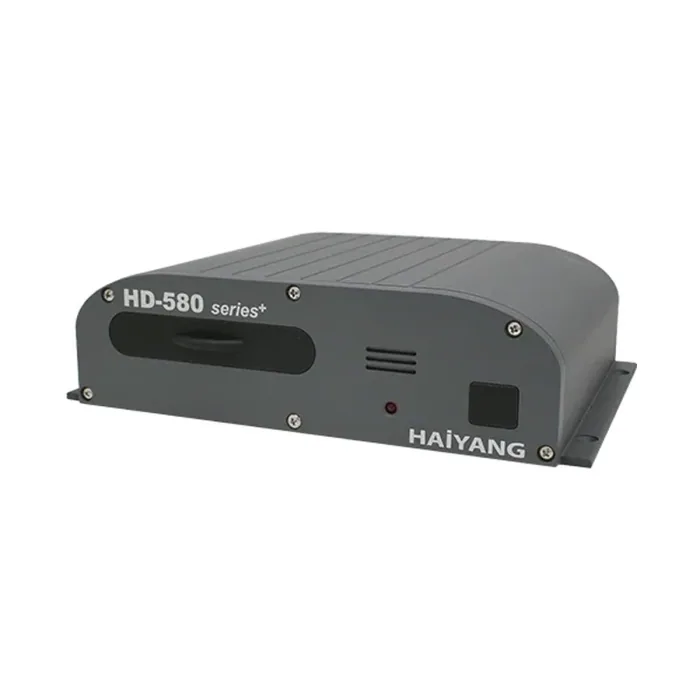
The Haiyang HD-580C is an XGA-resolution (1024x768) chartplotter controller with multi-constellation GNSS positioning and IMO Resolution MSC.112(73) compliance.
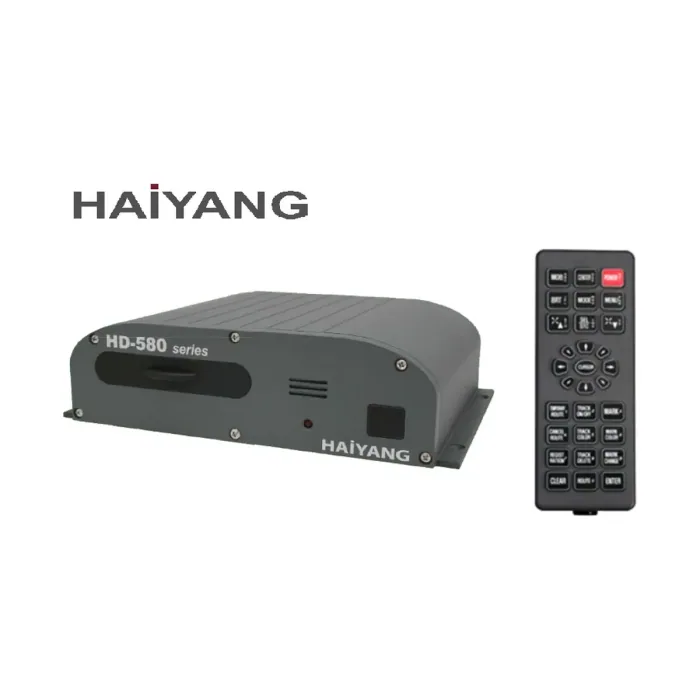
The Haiyang HD-580CF is an XGA-resolution (1024x768) fishfinder/GPS combo controller with multi-constellation GNSS positioning and IMO Resolution MSC.112(73) compliance.
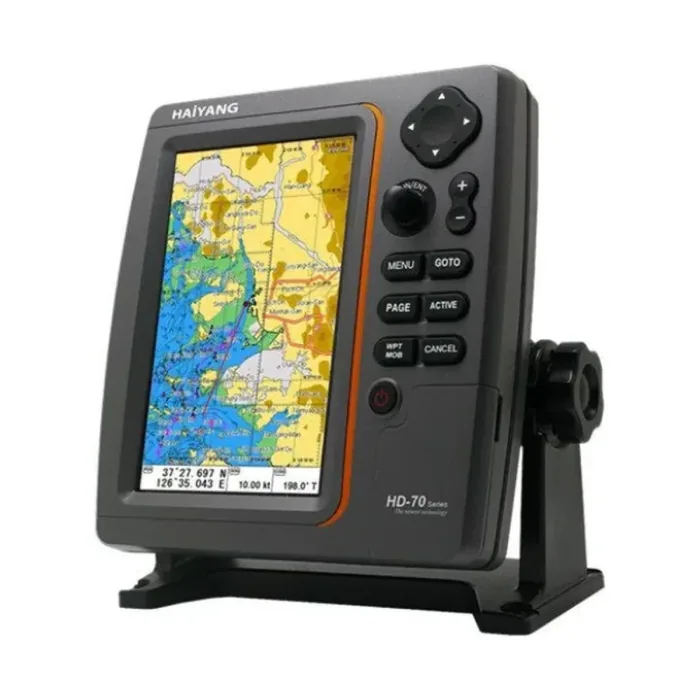
The Haiyang HD-70C is a 7-inch Windows-based chartplotter with a wide color LCD, multi-constellation GNSS positioning, and IMO Resolution MSC.112(73) compliance for commercial marine use.
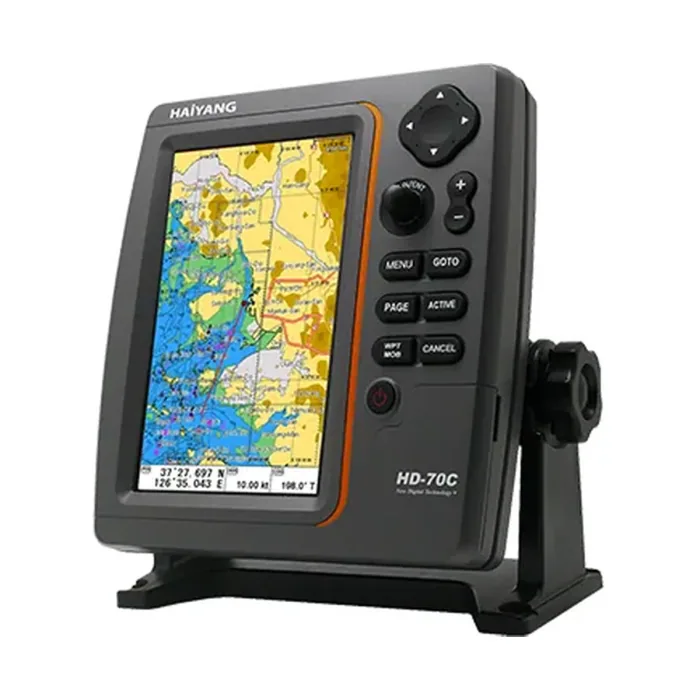
The Haiyang HD-70CF is a 7-inch Windows-based fishfinder/GPS combo with a wide color LCD, multi-constellation GNSS positioning, and IMO Resolution MSC.112(73) compliance for commercial marine use.
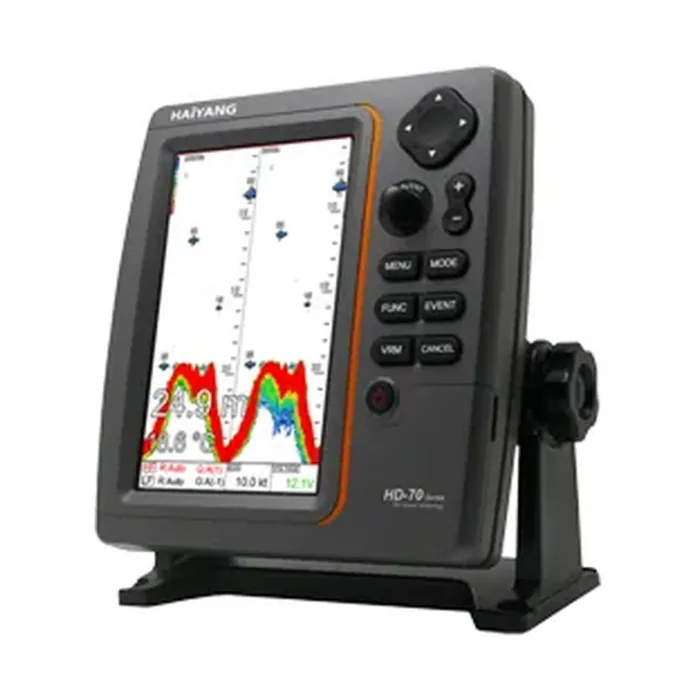
The Haiyang HD-70F is a 7-inch wide-screen chartplotter/fishfinder combo with dual-frequency sounding and IMO Resolution MSC.112(73) compliance.
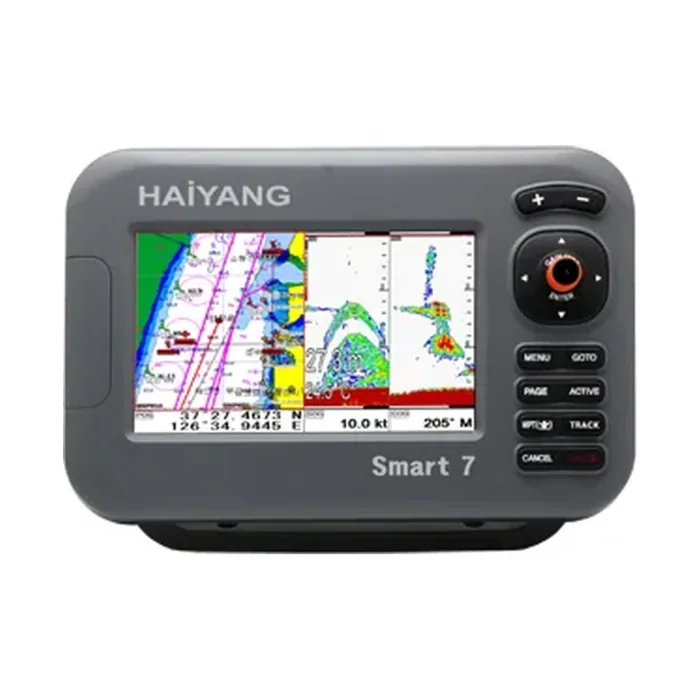
The Haiyang HD-770CF is a 7-inch chartplotter/fishfinder combo with dual-frequency sounding up to 1.2kW and IMO Resolution MSC.112(73) compliance.
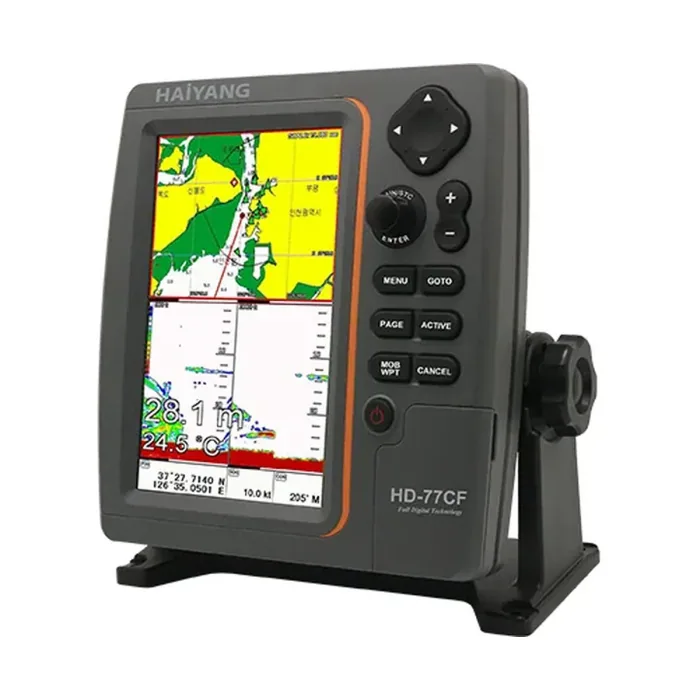
The Haiyang HD-77CF is a 7-inch chartplotter/fishfinder combo with dual-frequency sounding up to 1.2kW and IMO Resolution MSC.112(73) compliance.
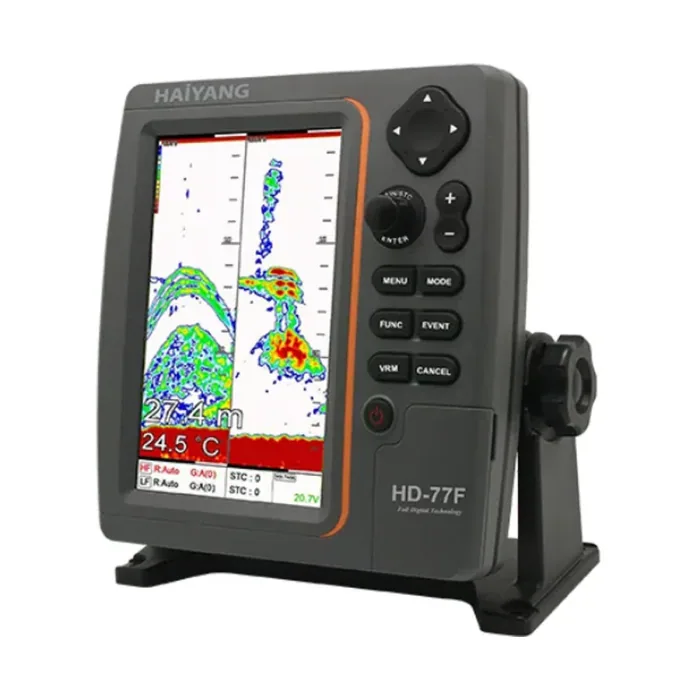
The Haiyang HD-77F is a 7-inch Windows-based chartplotter with a wide color LED-backlit display, 20,000-waypoint capacity, and AIS-alarm support, compliant with IMO Resolution MSC.112(73).
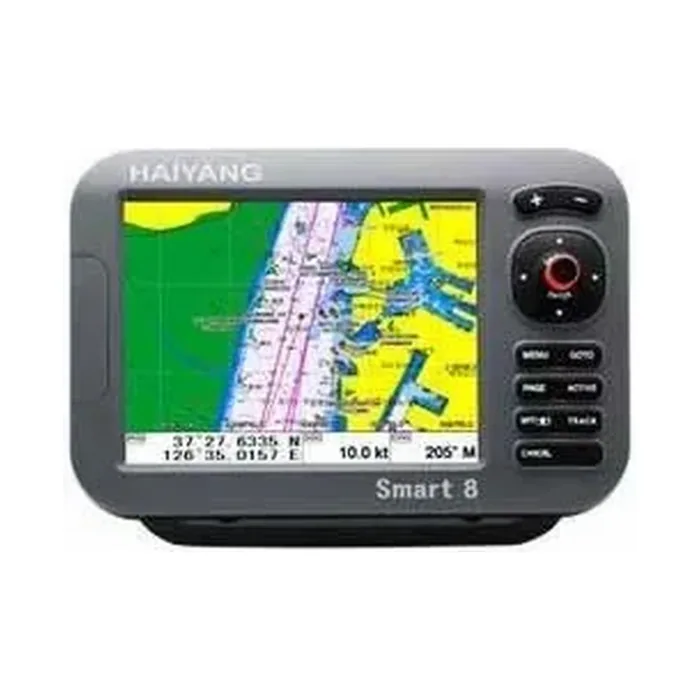
The Haiyang HD-880C is an 8-inch SVGA chartplotter with multi-constellation GNSS positioning and IMO Resolution MSC.112(73) compliance for commercial marine use.
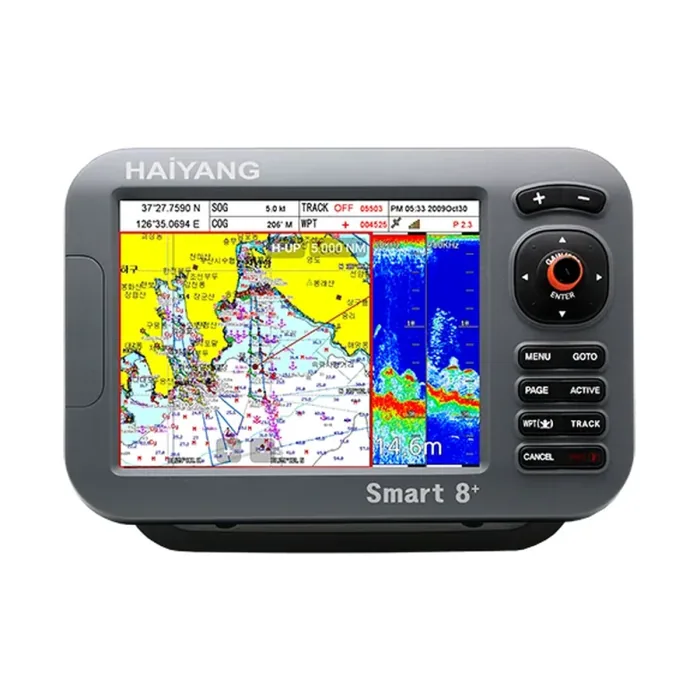
The Haiyang HD-880CFA is an 8-inch SVGA fishfinder/GPS combo with dual-frequency 50/200 kHz sounding up to 1.5kW, multi-constellation GNSS, and IMO Resolution MSC.112(73) compliance.
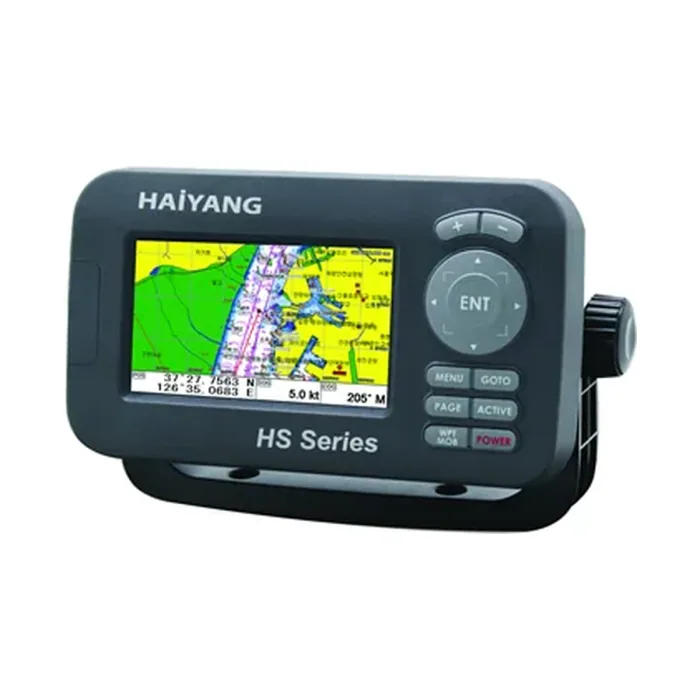
The Haiyang HIS-55A is a 5-inch color LCD AIS/GPS combo unit with a dual-receiver GMSK AIS transceiver and multi-constellation GNSS positioning, compliant with IEC 62287-1 and IMO Resolution MSC.112(73).
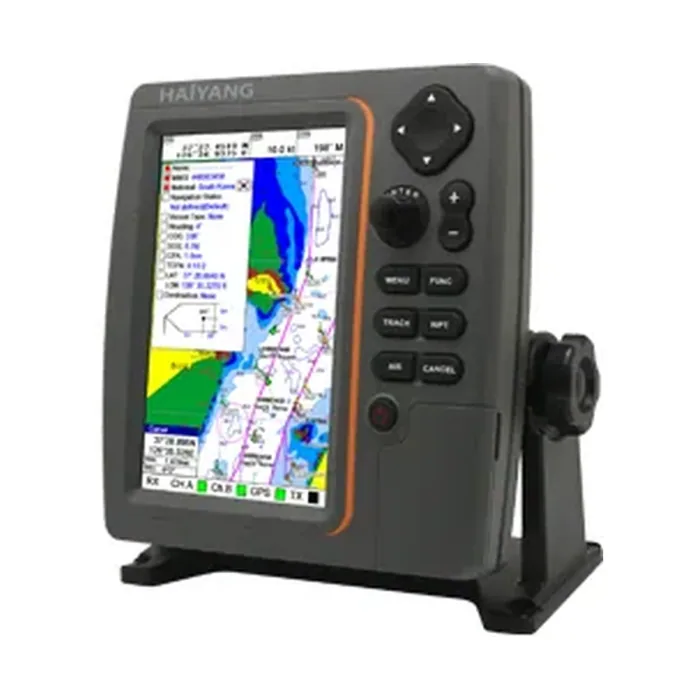
The Haiyang HIS-70A is a 7-inch Windows-based AIS/chartplotter combo with a 2W Class A-style AIS transceiver, GPS positioning, and IMO Resolution MSC.112(73) compliance.
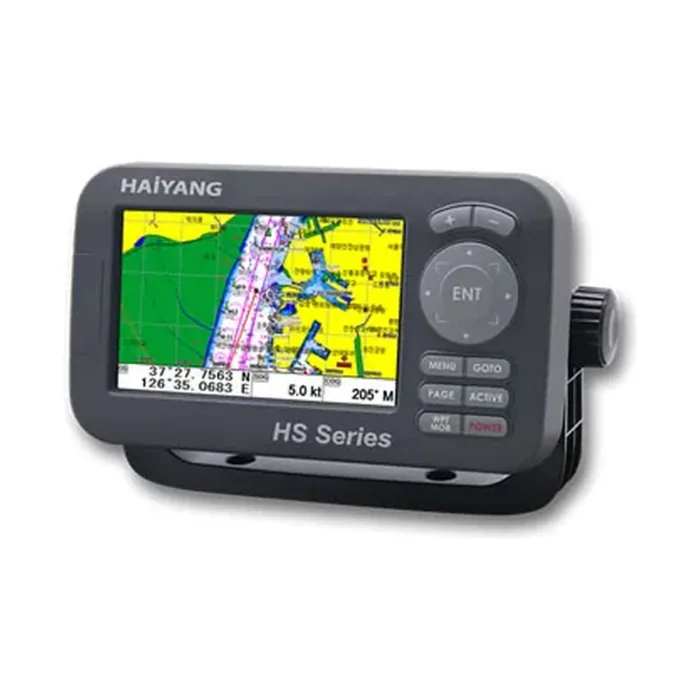
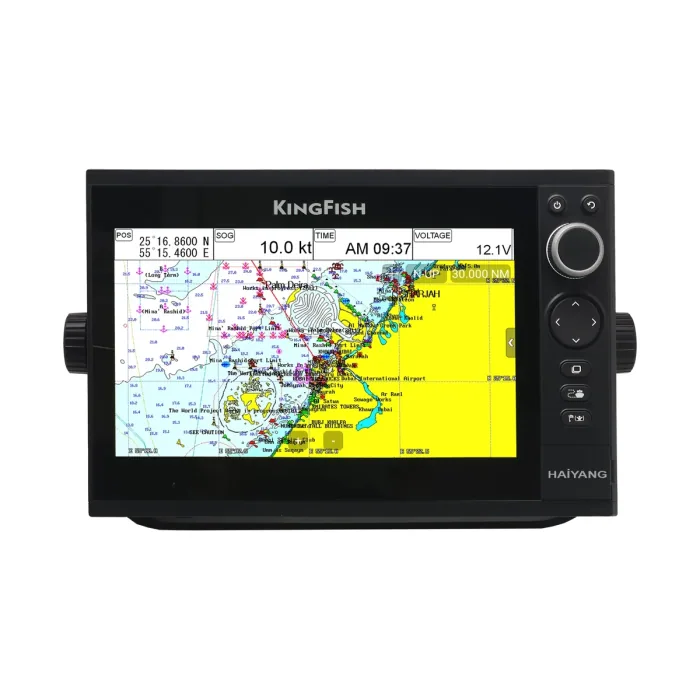
The Haiyang KS-101C is a 10.1-inch WXGA touchscreen chartplotter with multi-constellation GNSS positioning up to 10Hz update rate and NMEA 2000 input, compliant with IMO Resolution MSC.112(78).
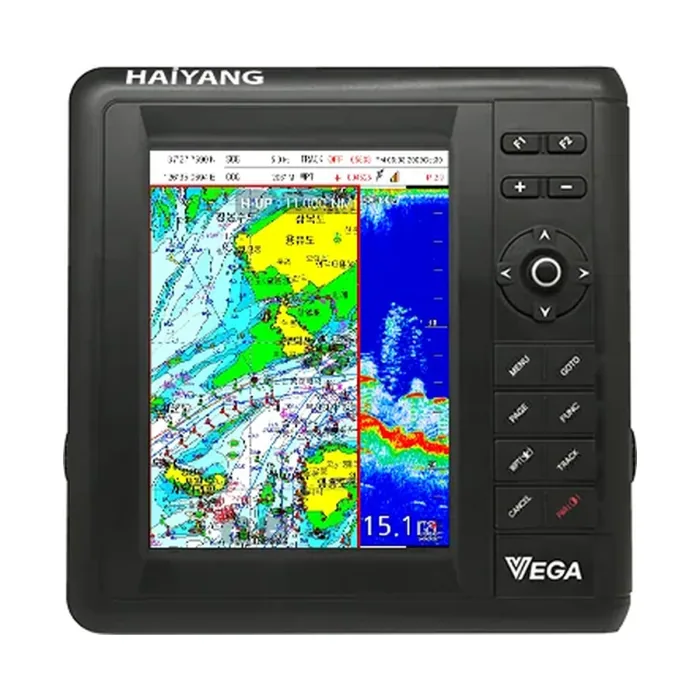
The Haiyang Vega VG-10CF is a 10.4-inch touchscreen fishfinder/GPS combo with dual-frequency 50/200 kHz sounding up to 1.5kW, multi-constellation GNSS, and IMO Resolution MSC.112(73) compliance.
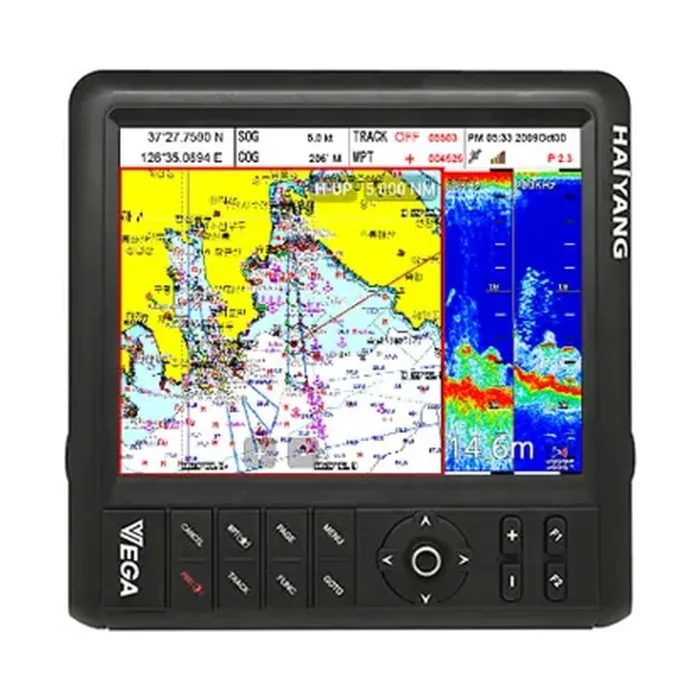
12.1 inch touch color Chart plotter/Fishfinder Android OS Full multi-touch Rotatable screen WPT 100,000 points Digital Fishfinder PDF Brochure
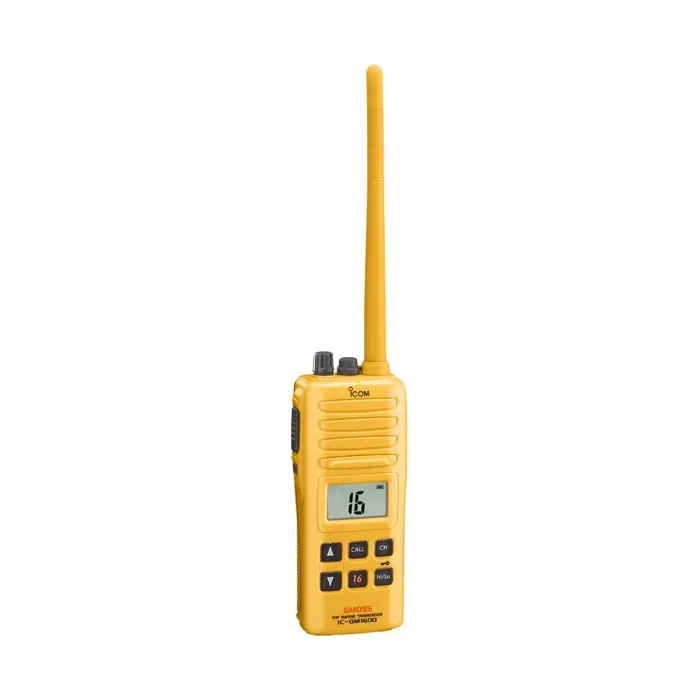
Icom IC-GM1600 GMDSS survival-craft VHF radio built to IMO MSC.149(77), rated for over 8 hours of operation even at -20C.
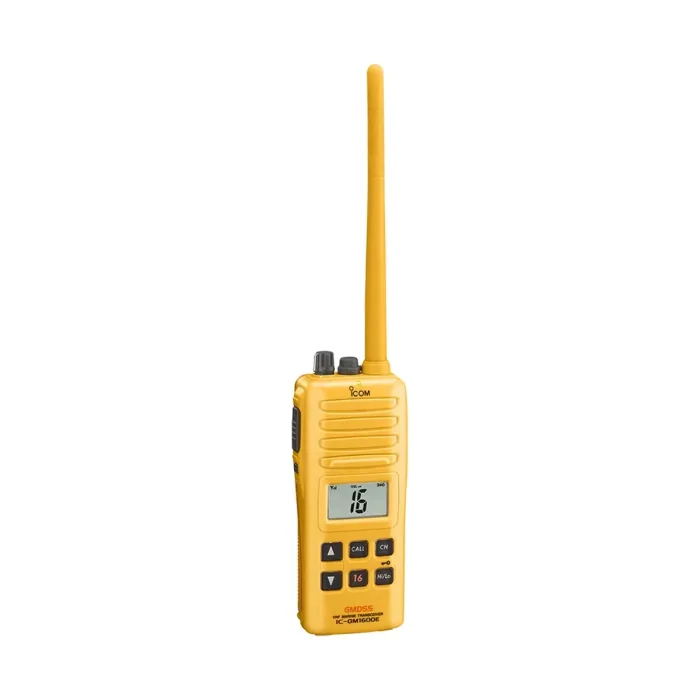
VHF Handheld Transceivers Key Features: Meets strict environmental requirements for GMDSS Superior low temperature characteristic Lithium battery pack Large keypad with positive button action Meets MED 2014/90/EU, “Wheel mark” requirements Wide viewing angle…
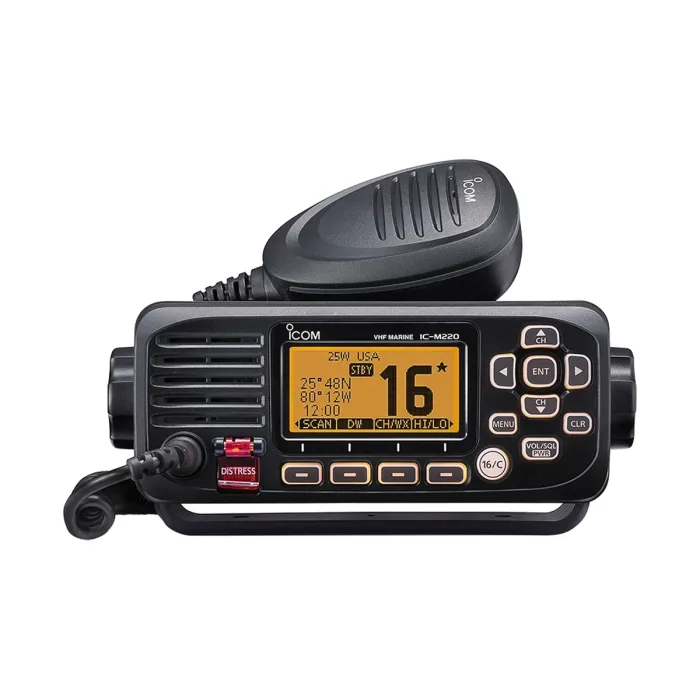
VHF Fixed Mount Transceivers Key Features: `High Quality, Excellent Performance Compact Body (W × H × D; 156.5 × 66.5 × 110.1 mm; 6.2 × 2.6 × 4.3 in) Easy Installation in Limited Space Powerful Front Mount Speaker Delivers Loud and Clear Audio Built-in Class…
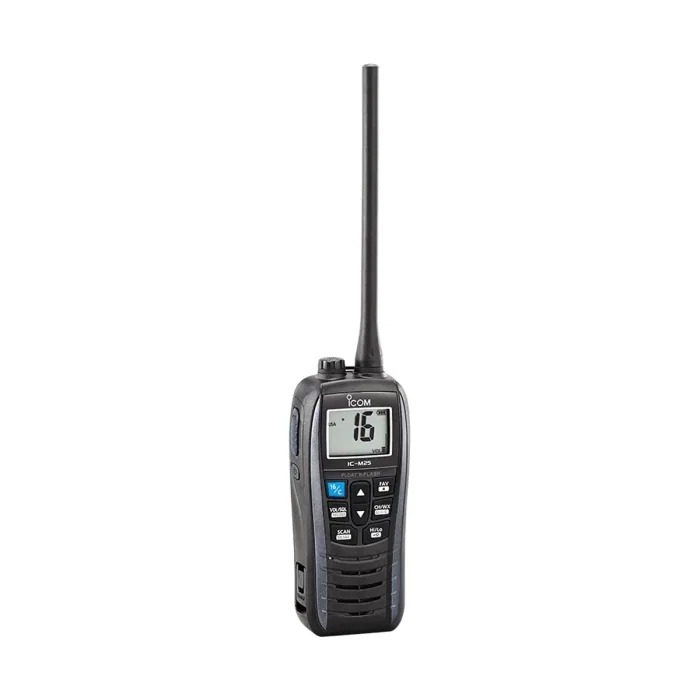
Discontinued by the manufacturer. Three Color Choices and Smart Features. Slim, Lightweight, High Performance Large LCD, Simple User Interface USB Charging (Micro-B USB type) Float'n Flash 11 Hours of Battery Life Optional Speaker-Microphone, HM-213 550mW Audio Output PDF Brochure
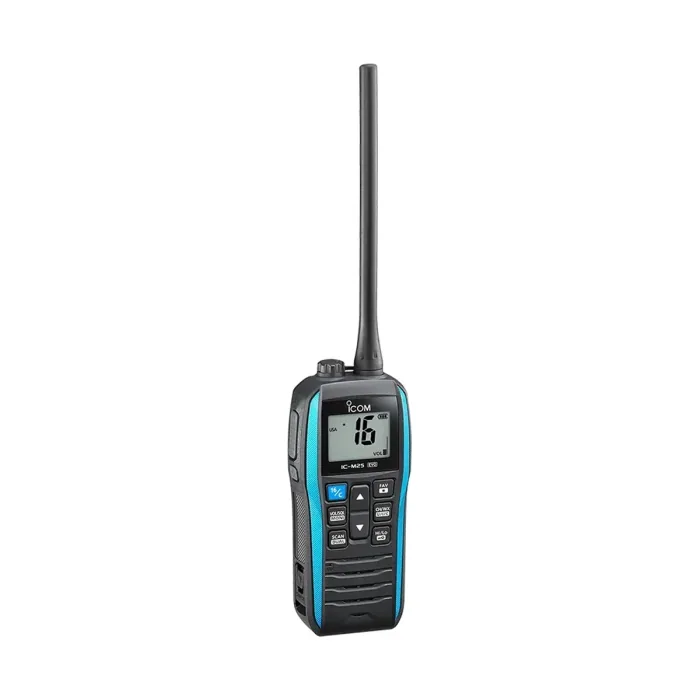
Icom IC-M25EVO compact handheld VHF marine radio with selectable 5W/2.5W/1W output and a lightweight 228g body.
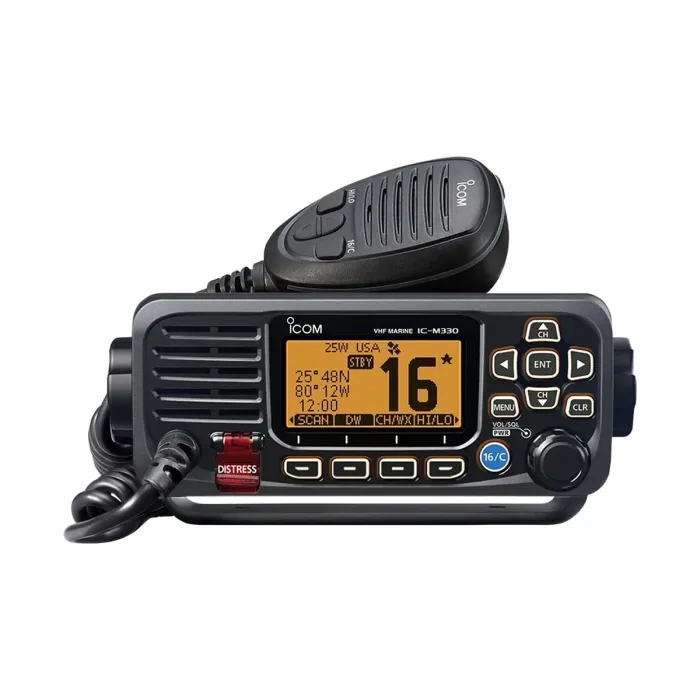
VHF Fixed Mount Transceivers Key Features: Top Performance Ultra Compact VHF Ultra Compact Body, Flexible Installation New Speaker Delivers Dynamic, Clear Audio Built-in Class D DSC Class Leading Receiver Performance Intuitive Operation with Icom Marine User…
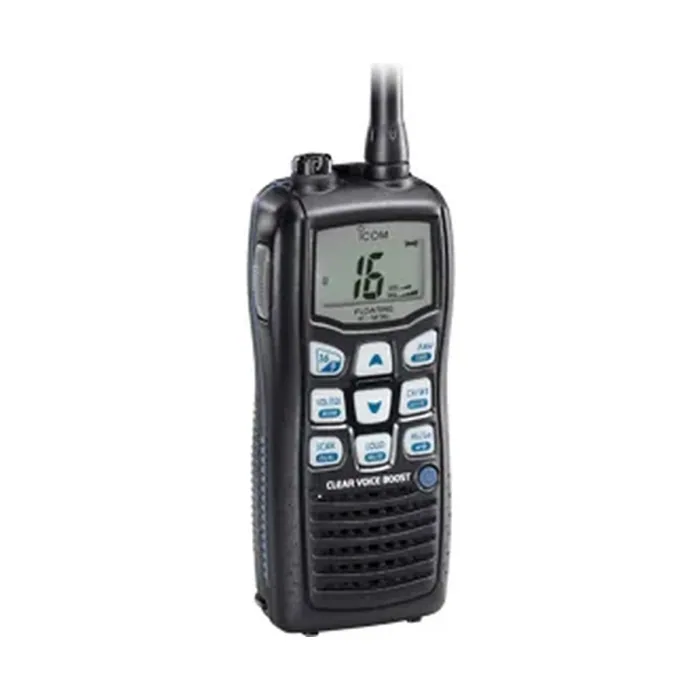
Discontinued by the manufacturer. VHF Transceivers Key Features And yes, it floats too! LOUD button Noise cancelling microphone Automatic volume adjustment Low power consumption Large buttons and slim dimensions PDF Brochure
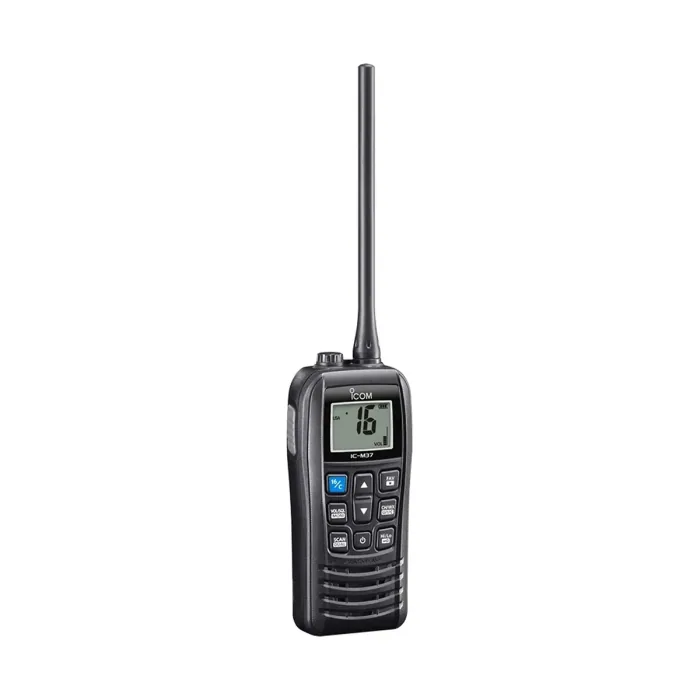
VHF Transceivers Key Features More power, more waterproof, more form factor Voice boost and mute functions Low Battery Alert Function Dual/Tri-Watch Functions Float n Flash Function Instant Access to Chanel and call Channel Favorite Channel Function Weather…
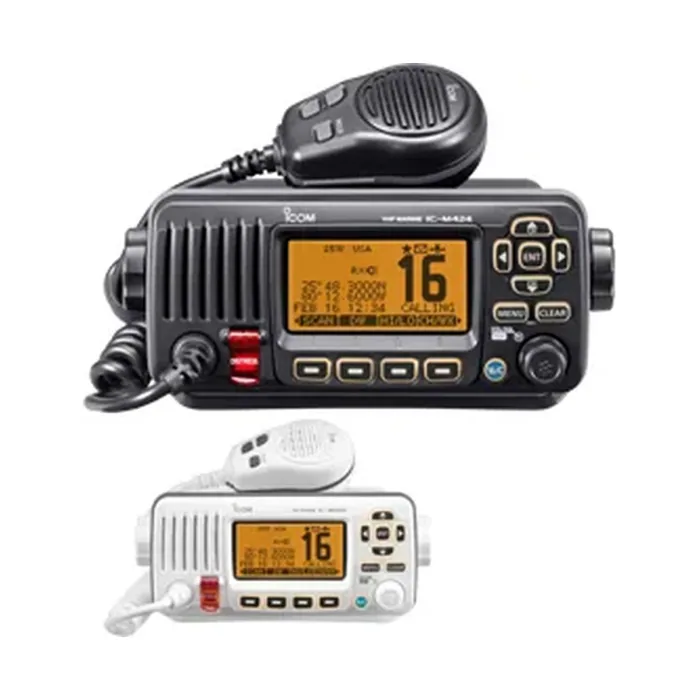
Discontinued by the manufacturer. VHF Fixed Mount Transceivers Key Features New Intuitive User Interface Active Noise Cancelling 10W Loud Audio, Public Address and Foghorn Built-in Class D DSC (Meets ITU-R M493-13) Optional COMMANDMIC™ HM-195B/SW for 2nd Station/Intercom Common NMEA Interface…
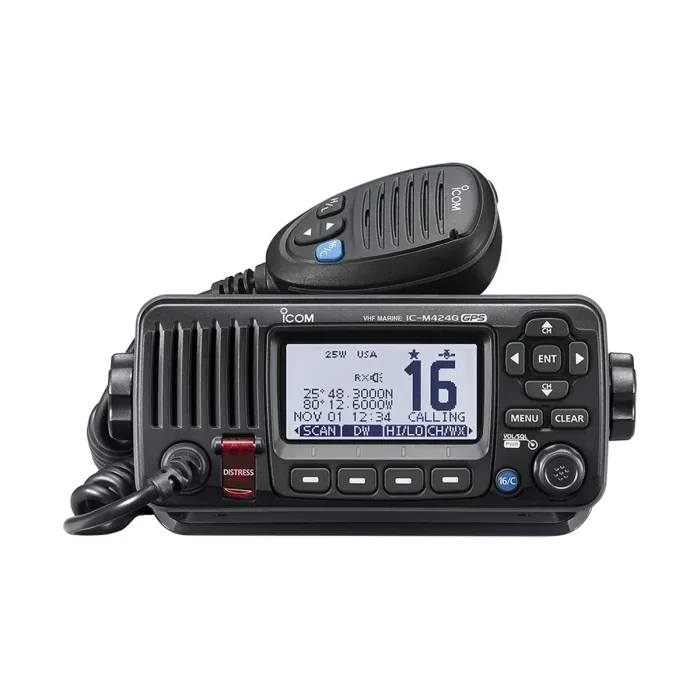
Icom IC-M424G fixed-mount VHF marine radio with built-in 66-channel GPS and NMEA2000 output, rated IPX7.
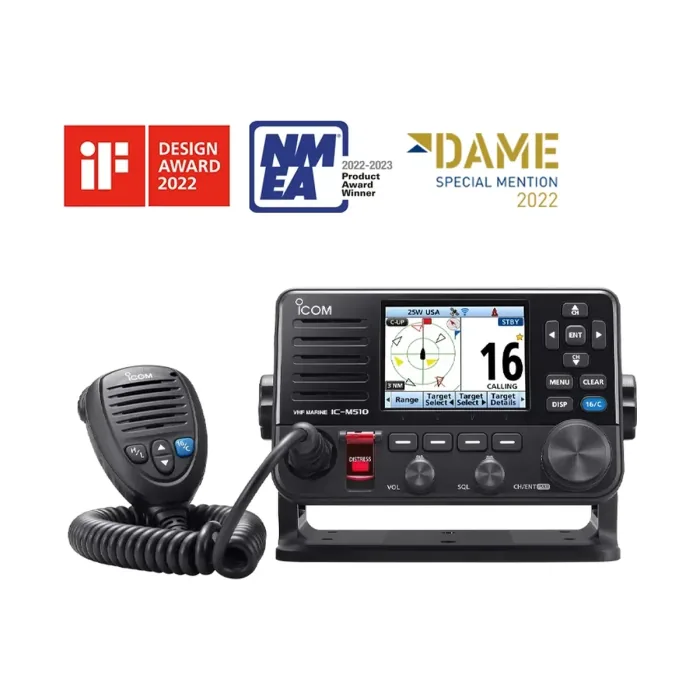
Icom IC-M510 Class D fixed-mount VHF marine radio with DSC, dual-channel AIS receive, and built-in Wi-Fi connectivity.
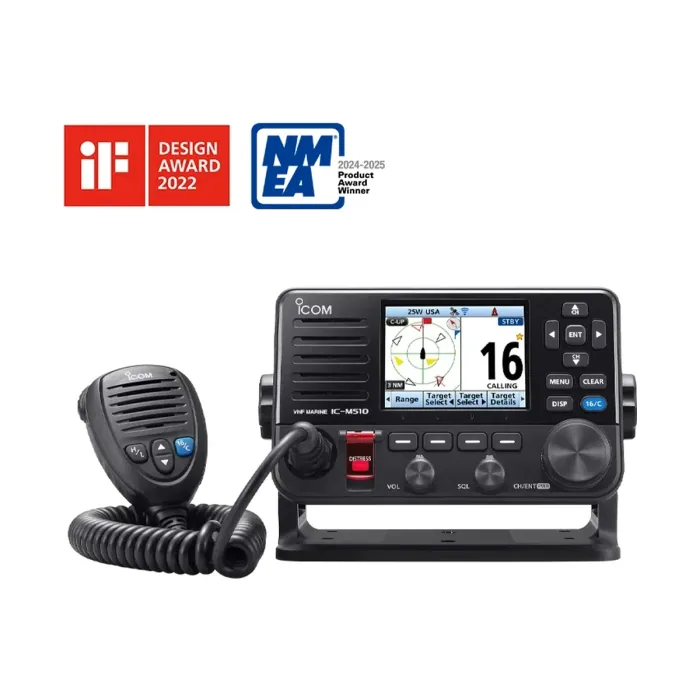
Flagship fixed-mount VHF/DSC radio from Icom, an evolution of the IC-M510 Class D with Wi-Fi connectivity and RemoteCommander wireless control.
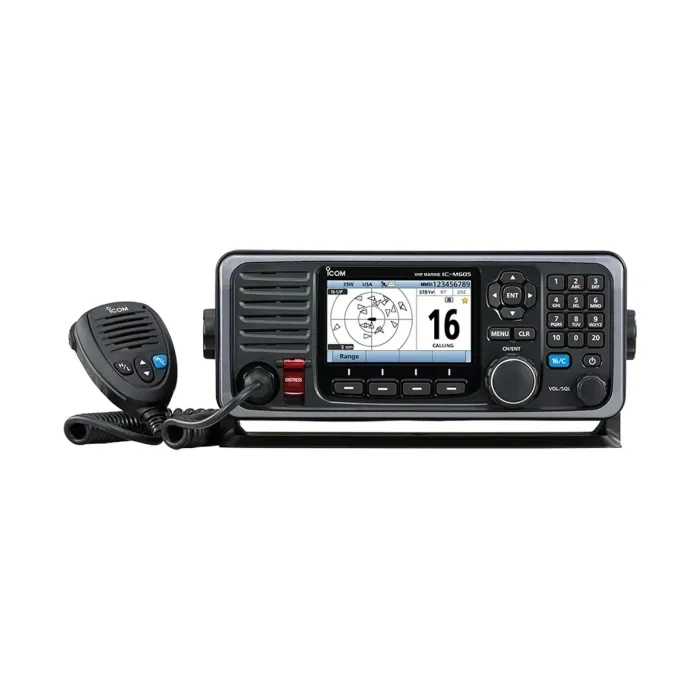
Icom IC-M605 fixed-mount VHF marine radio with DSC on channel 70 and dual-channel AIS receive, rated 25W output.
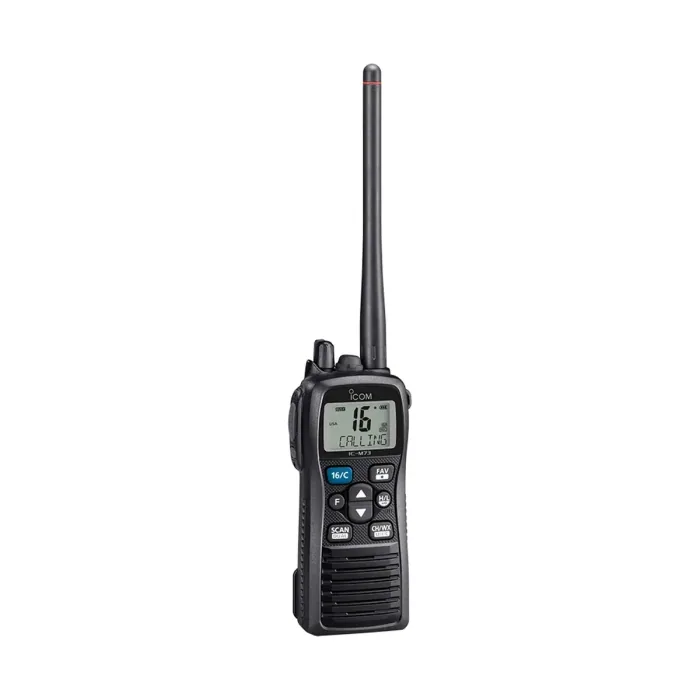
Icom IC-M73PLUS handheld VHF marine radio rated IPX8 waterproof with 6W/3W/1W selectable output.
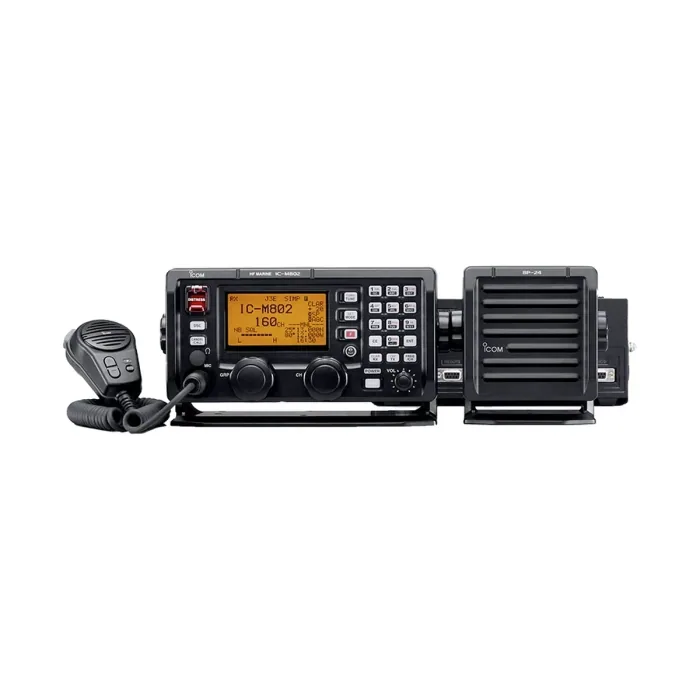
Discontinued by the manufacturer. HF Transceiver Key Featrues: Digital Signal Processor Built-in ITU Class E DSC One touch e-mail button* Automatic antenna tuner, AT-140 PDF Brochure
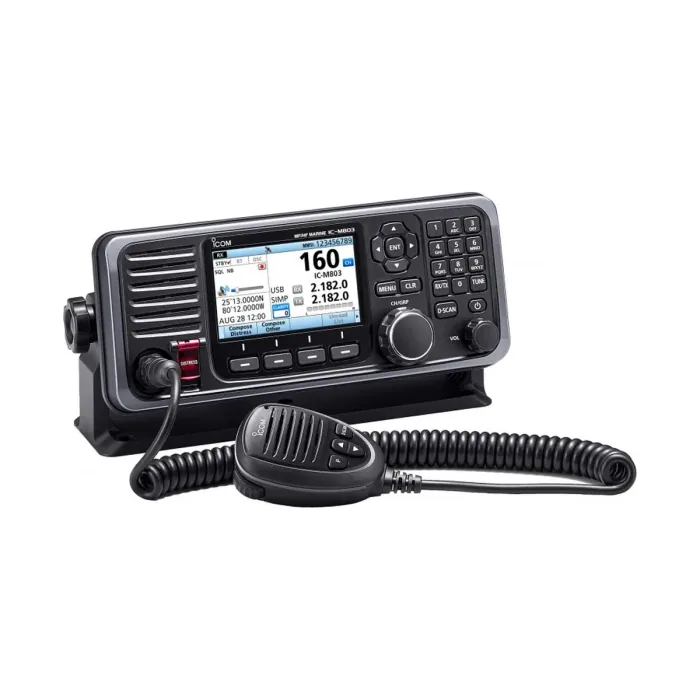
Key Features: Distress Button for Emergency Built-in DSC Watch-Keeping Receiver with the Multiple Task Mode Intuitive User Interface 4.3 inch Wide Viewing Angle Color TFT Display Integrated GPS Receiver Two Minutes Instant Replay Memory Advanced RF Direct…
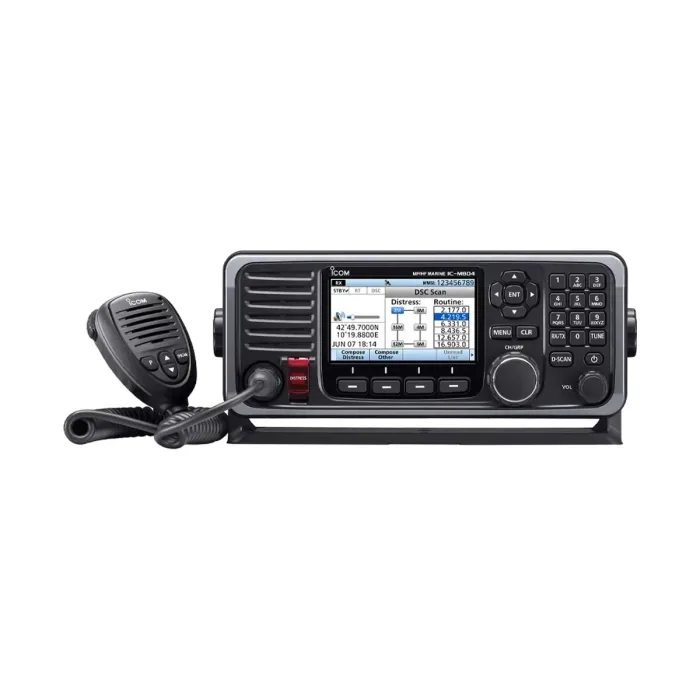
Icom IC-M804 marine SSB transceiver for long-range HF communication with built-in DSC and up to 125W PEP output.
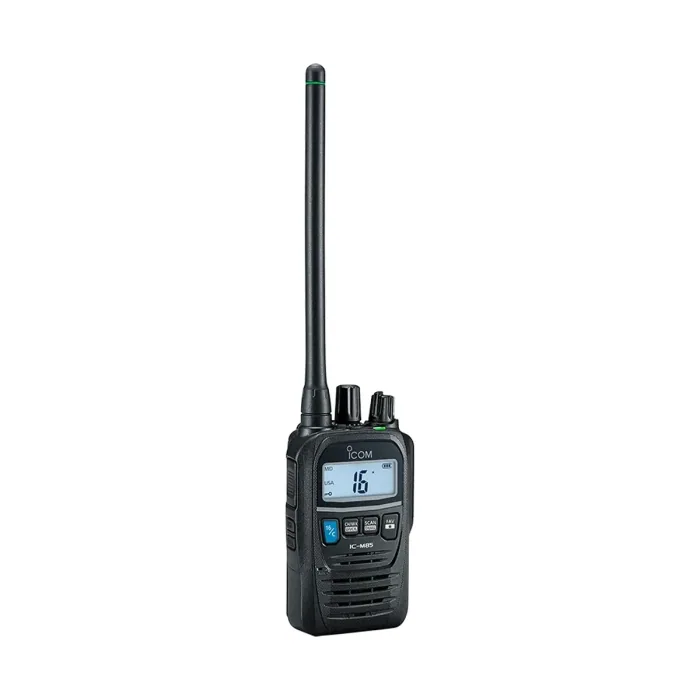
Icom IC-M85 dual-mode handheld radio combining marine VHF channels with land mobile operation on 136-174MHz.
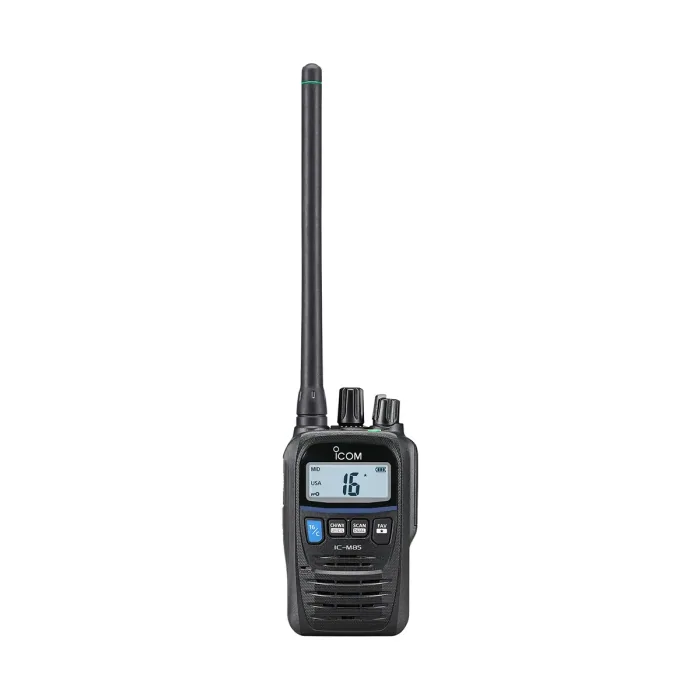
Intrinsically safe marine VHF handheld from Icom, certified to UL913 Ed.8 and ANSI/TIA-4950-B for hazardous-area use aboard tankers and cargo vessels.
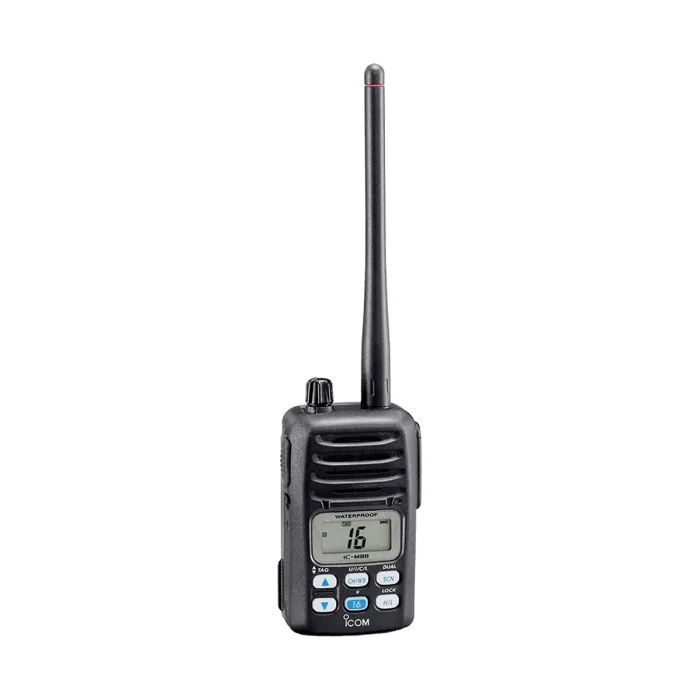
Discontinued by the manufacturer. VHF Transceivers Key Features Additional features Selectable 5/3/1 W output power Auto WX scan and WX alert function Simple Up/Down switches for operating channel selection Instant access to Ch. 16 and Ch. 9 (or call channel) Simple add/delete TAG scanning…
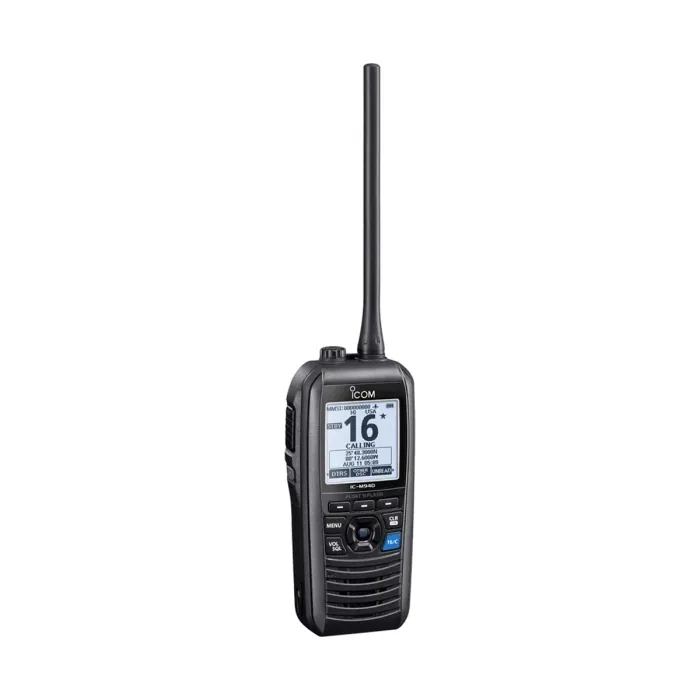
Icom IC-M94D handheld VHF marine radio with built-in DSC and AIS receiver, rated IPX7 waterproof.
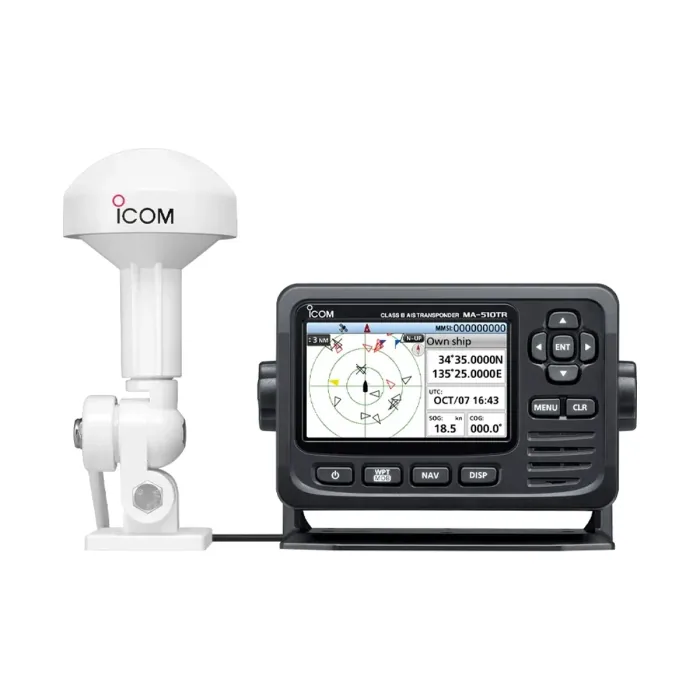
Icom MA-510TR Class B AIS transponder with integrated 72-channel GPS receiver and DSC monitoring on channel 70.
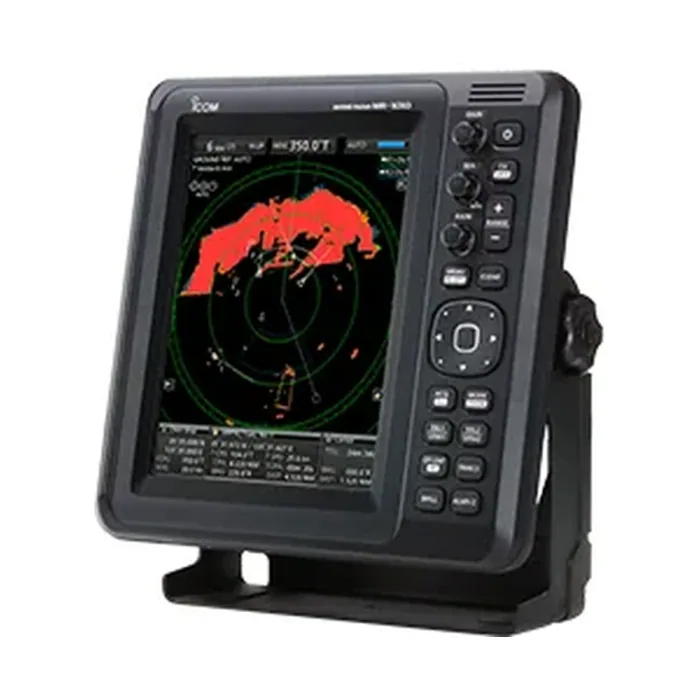
Marine Radar Key Features: 36 NM Range Observation with 4kW Output Radome Scanner Simplified ARPA (Automatic Radar Plotting Aids) Function* DSC (Digital Selective Calling) Information Function* AIS (Automatic Identification System) Overlay Function* Wide…
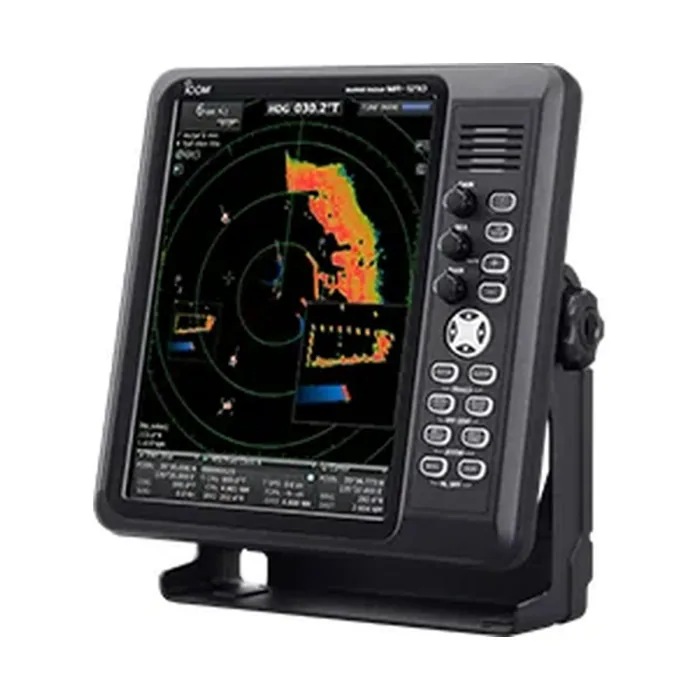
Marine Radar Key Features: 12.1-inch Color TFT Display (600×800 dots) New User Interface Stabilized Head Up Mode* True Trail Function* Simplified ATA (Automatic Tracking Aid) AIS (Automatic Identification System) overlay function* Favorite AIS* Optional Video…
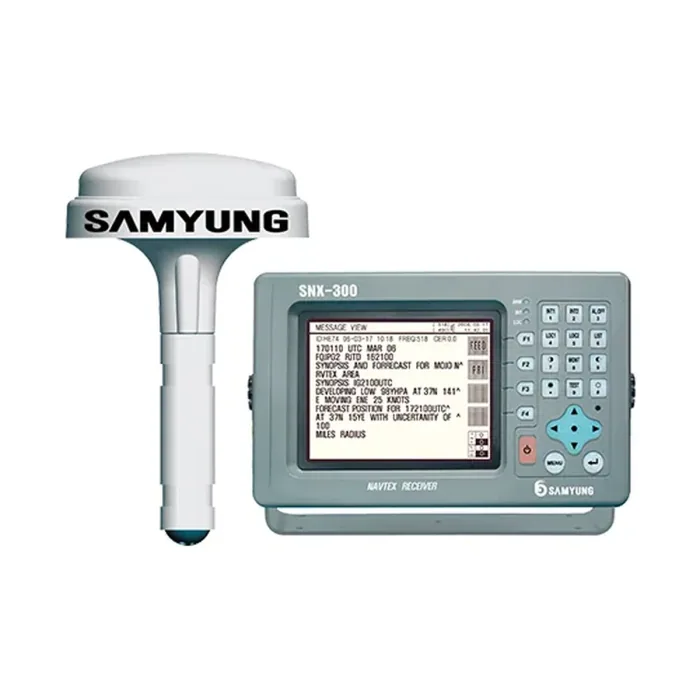
The Samyung SNX-300 is a NAVTEX receiver with a 5.6-inch LCD, built-in thermal printer, and dual-frequency (518/490 kHz) reception with up to 72 hours of message storage.
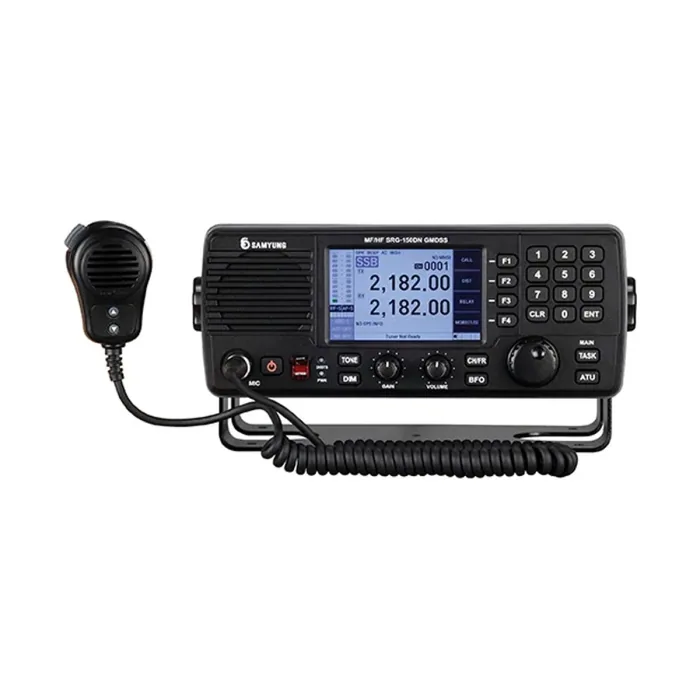
The Samyung SRG-150DN is a 150W MF/HF GMDSS radio covering 1.6 to 27.5 MHz with integrated DSC and NBDP telex functions for distress and safety communications.
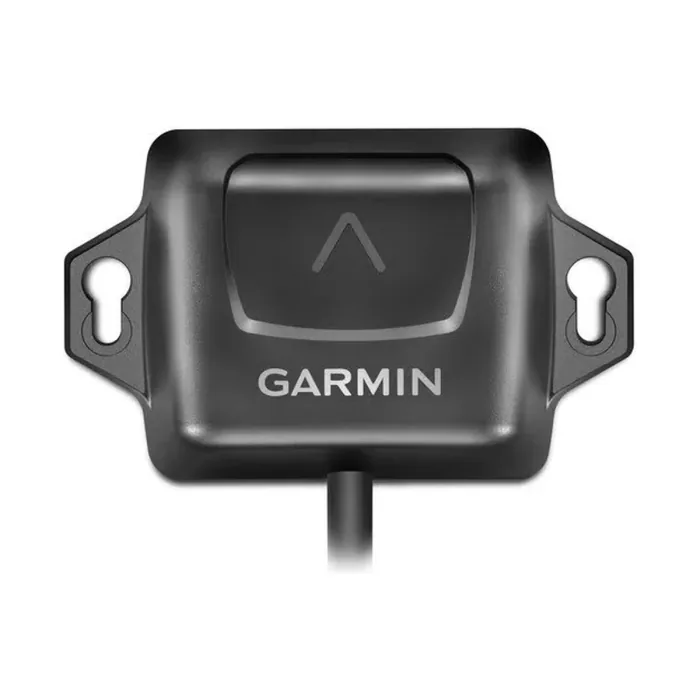
A compact NMEA 2000 heading sensor housed in a fully gasketed, IPX7-rated case for feeding compass data to marine displays and radar.
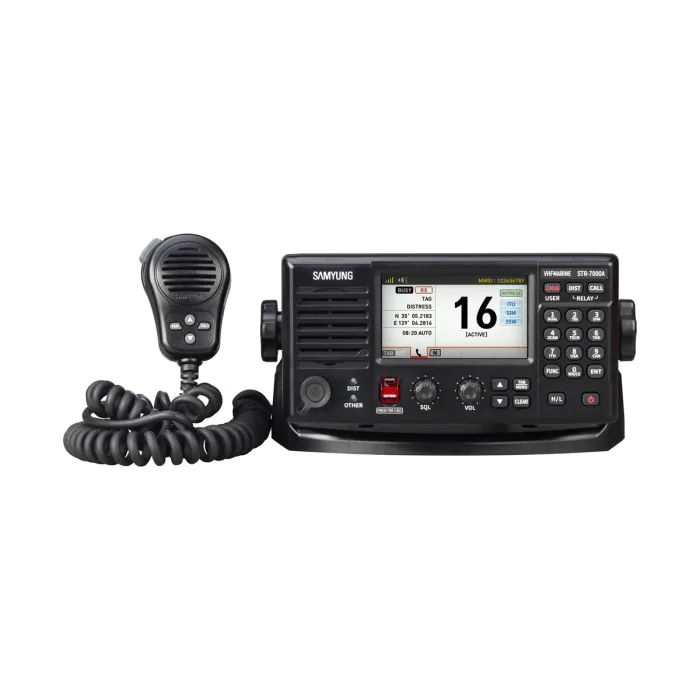
The Samyung STR-7000A is a fixed-mount marine VHF/DSC radio with 191 channels, 25W/1W selectable output, and ITU-R M.493-14 Class A DSC operation.
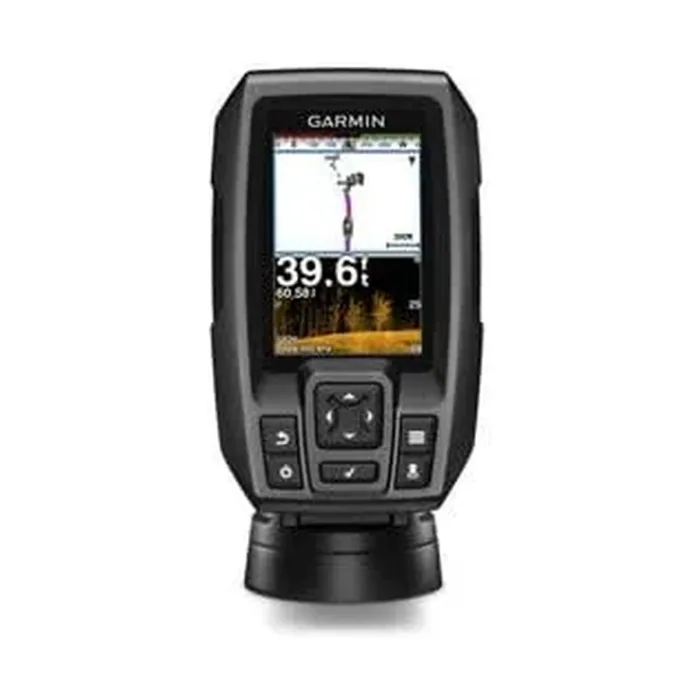
A compact 3.5-inch fishfinder/GPS combo from Garmin's STRIKER series, with CHIRP traditional and ClearVu scanning sonar. Discontinued by the manufacturer.
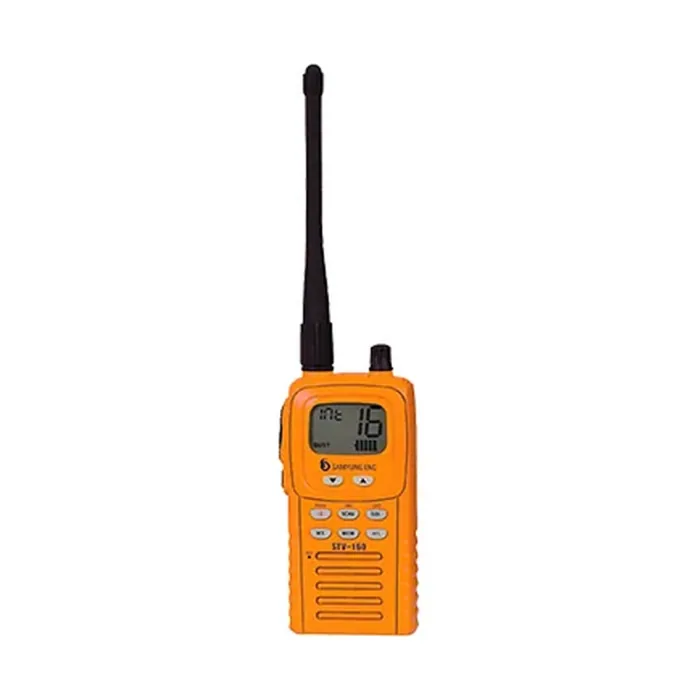
The Samyung STV-160 is a handheld VHF radio covering all USA, international, and Canadian channels plus 10 weather channels, with an 8-hour battery life on its 1350mAh 7.2V pack.
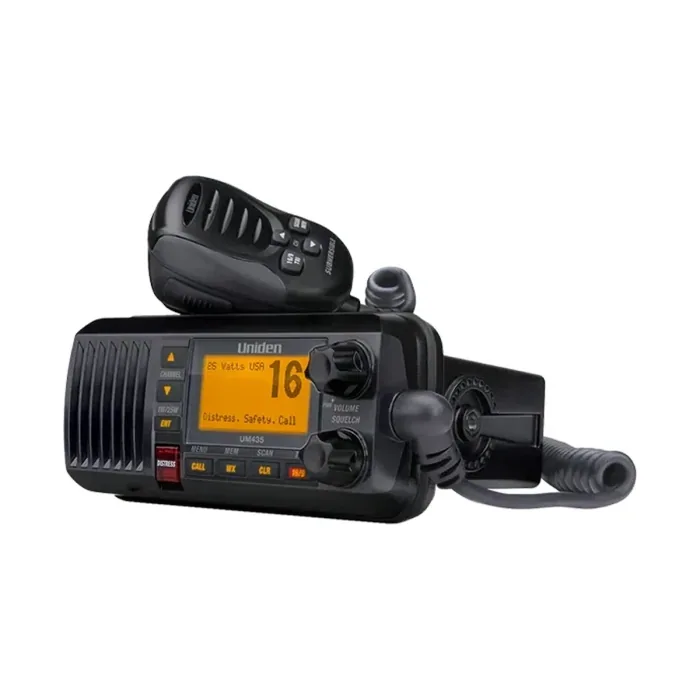
A fixed-mount VHF marine radio with selectable 1 or 25 watt output, a dedicated distress button, and USA/Canada/International channel coverage.
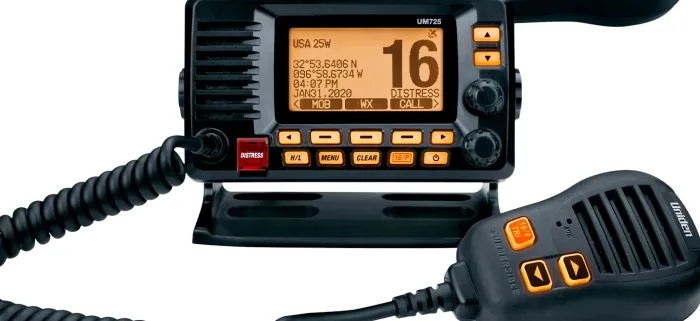
A fixed-mount VHF marine radio with built-in GPS, Bluetooth, selectable 1 or 25 watt output, and IPX8 waterproofing.
Marine navigation and communication equipment for commercial vessels, fishing fleets and workboats across India: fishfinder and chartplotter combos, GMDSS sets, fixed and handheld VHF, AIS and HF. ASPL supplies, installs, commissions and services the equipment, with a nationwide collection network for repairs.
This category covers the equipment on a working vessel's bridge or console: fishfinder and chartplotter combos for position and depth, marine VHF for routine and distress communication, MF/HF for offshore range, radar for detecting anything reflective regardless of whether it cooperates, and autopilot for holding a course. GMDSS, the Global Maritime Distress and Safety System, is the regulatory framework that ties the communication equipment together for vessels it applies to. AIS transponders and the NMEA networking that interfaces all of this onto one display are covered in more depth on the Marine Network & Interface page, since that is genuinely separate equipment with its own standards and installation practice.
A chartplotter takes a GNSS position fix and places it on chart data, while a fishfinder uses an echo sounder and transducer to show what is under the hull; a combo unit associates the two so a mark dropped on an echo is dropped at the position the vessel occupied when it appeared. Marine VHF operates around 156 to 163 MHz and travels essentially line of sight, so its range is governed by antenna height at both ends far more than by transmit power. MF and HF work in a much lower band where the ionosphere refracts and returns the signal beyond the horizon, which is why HF reaches from mid-ocean to a shore station where VHF cannot. Radar transmits a microwave pulse from a rotating antenna and measures the reflections that return, giving range and bearing to anything reflective in line of sight without needing the target to carry any equipment at all. Digital Selective Calling (DSC) rides on top of VHF and MF/HF: pressing a distress button sends a data burst carrying the vessel's MMSI and, where the radio has position data, its position, which coast stations and nearby DSC-equipped vessels decode automatically.
On VHF and HF, range is decided far more by the antenna and its feed than by the radio model: a masthead whip run on good coaxial cable with sealed connectors and a fused supply taken from a sound point outperforms a stronger radio on a tired antenna run every time. An HF installation additionally needs a proper ground or counterpoise on a non-conductive hull and a supply able to deliver its transmit current, since a marine SSB set can draw tens of amps while transmitting. A radar's mounting has its own constraints: an open-array scanner needs swept clearance all round and a mast or platform rated for its wind load, and both dome and open-array units carry compass-safe distances and radiation safe-distance figures that have to be respected at the planning stage, not discovered afterwards. MARPA radar target tracking additionally needs a separately fitted heading sensor before it will compute a tracked target's course and closest point of approach. An autopilot is not finished once wired in: it needs commissioning, compass swing and deviation correction, rudder feedback zeroing and end-stop limits, then sea trials to tune its response, and a system fitted but not tuned will hunt or fail to hold course in a seaway. Across all of this equipment, programme the MMSI as soon as it is issued and confirm a live position feed reaches every DSC-capable radio, since a distress alert without a position is far less useful to a rescue coordinator.
A combo is the right call for most working boats, because it lets a mark be dropped on an echo at the exact position it appeared, without reading a position off one screen and typing it into another. Separate units are worth it mainly for redundancy, or when a skipper and a crew member need to watch navigation and sounding at the same time on two full screens rather than one split display.
If it operates within reliable coast station coverage, VHF with DSC is sufficient. If it makes offshore passages beyond that coverage, it needs MF/HF or satellite communication in addition to VHF, since HF reaches oceanic distances through ionospheric propagation that line-of-sight VHF physically cannot achieve, regardless of transmit power.
Yes. A vessel carrying transmitting radio equipment needs a Maritime Mobile Station Licence from the WPC Wing of the Department of Telecommunications, and a DSC set needs an MMSI programmed in before it can originate a distress alert. The MMSI is generally obtained through vessel registration before the licence is applied for. Confirm current requirements and fees with the WPC regional licensing office.
They cover different failure modes and most bridges benefit from both. AIS only shows vessels that carry it, switched on and correctly programmed; it shows nothing about an unlit small craft, floating debris or a headland in fog. Radar detects anything reflective regardless of whether it cooperates, but cannot identify a target by name the way AIS data does. A vessel working coastal waters in poor visibility or among unlit small craft gets more from radar; one operating mainly in busy shipping lanes gets more from AIS at a fraction of the cost.
Whether the fitted equipment matches the vessel's certified sea area, that DSC alerting works with the correct MMSI and a live position feed, main and reserve power supplies, antenna and feeder condition, battery expiry dates on survival-craft and portable equipment, NAVTEX reception, and the supporting paperwork: type approval certificates, the Record of Equipment, service station reports and crew certification.
A drive matched to the vessel's steering type, a dedicated heading sensor (not GPS course-over-ground, which lags and includes drift), a rudder feedback unit fitted at the quadrant, and, if it will steer to a route, a protocol match with the chartplotter over NMEA 0183 or NMEA 2000. After installation it still needs commissioning: compass swing, rudder feedback zeroing and sea trials to tune the response, without which it will hunt or fail to hold a course.
This site uses only the cookies required for it to run, nothing for tracking or advertising. See our privacy policy.